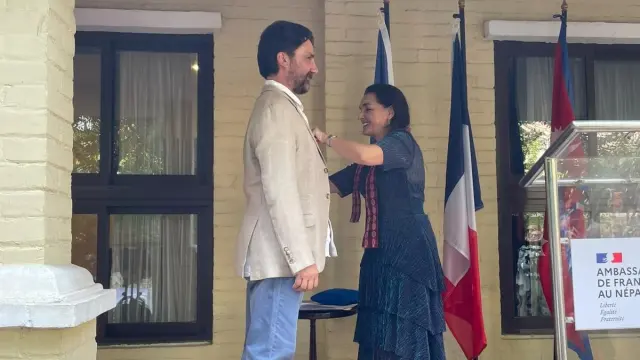
The world-famous Sterkfontein Caves owe their place in human-history books not just to scientists but to the technicians who did the painstaking digging. Wits University marked that legacy on 16 November, honouring 14 fossil technicians as part of celebrations for 90 years of research at the site near Krugersdorp, inside Gauteng's Cradle of Humankind World Heritage Site.
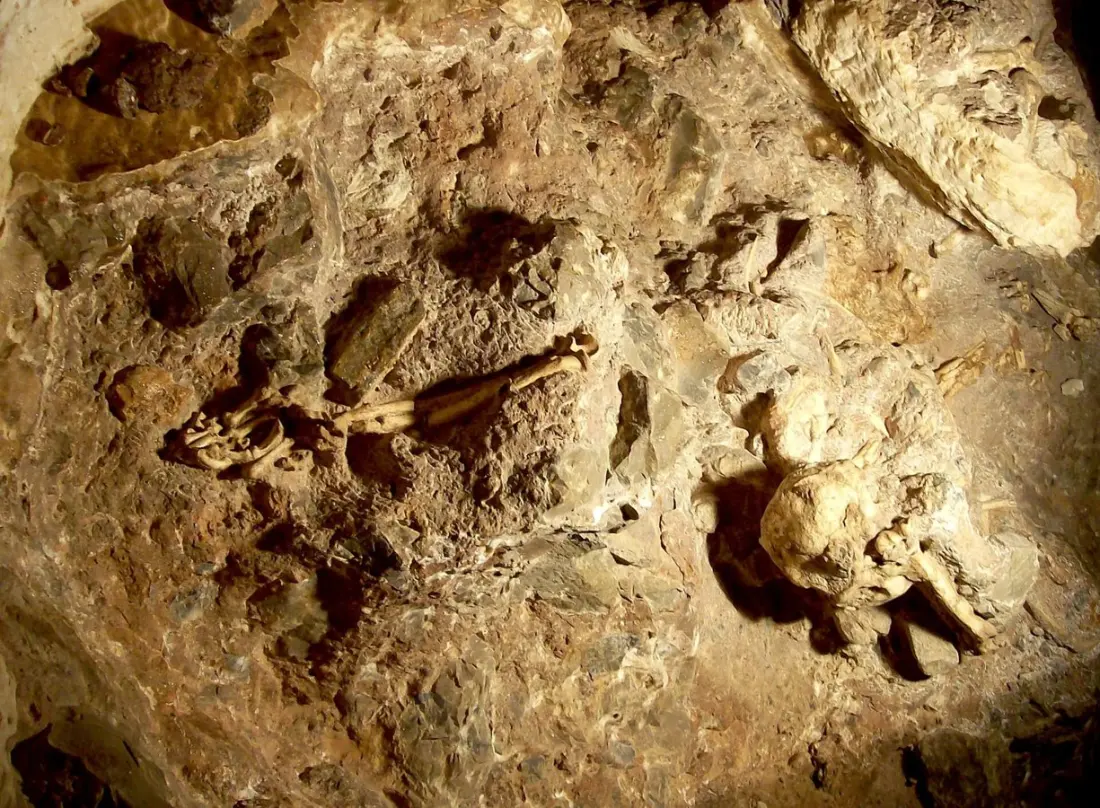
The most celebrated name attached to the caves is Little Foot, the most complete Australopithecus skeleton ever found. Its discovery traces back to 1997, when technicians Nkwane Molefe and Stephen Motsumi were handed a cast of the end of a shin bone by palaeoanthropologist Ronald Clarke and sent into the Silberberg Grotto. Working by lamplight, they matched the cast to the real bone in the rock within a day and a half. That moment set off one of palaeoanthropology's most remarkable excavations.
Retired technician Abel Molepolle knows how long that process takes. He spent eight years helping excavate Little Foot in the grotto, then eight more in the lab cleaning fragments and making moulds and casts. His own story begins at the site: he was born in a tent at the excavation in 1967, where his father David worked as a fossil technician. Both father and son were among those honoured. The Makhele family carries a similar thread — the late Isaac Makhele served as excavation foreman, and his son Sipho later worked at the caves.
Sterkfontein's scientific record stretches back to 1936, when Dr Robert Broom uncovered the first known adult Australopithecus fossil there. Wits launched systematic excavations in 1966, and the decades since have yielded hundreds of hominin fossils plus animal remains and early stone tools — including implements around 2.2 million years old that helped establish how far early toolmaking spread across Africa.
For travellers, this is a good reason to look past the marquee attractions on a Cradle of Humankind day trip. The caves, an hour or so from Johannesburg or Pretoria, are usually sold on the big fossil names — Mrs Ples and Little Foot among them. The ceremony is a reminder that behind those names sit decades of careful hands-on work, much of it by people who grew up around the site. When Little Foot comes up on a cave tour, there's now a fuller story to appreciate: two technicians matching a bone cast by lamplight, and a team that spent 16 years freeing a skeleton from its rocky resting place.
The recognitions also underscore why the area matters beyond its fossils. The Cradle of Humankind is a working heritage landscape with visitor centres, restaurants and活动 options that make it an easy excursion — and a fitting one, given that visitors walk through the very grotto where Little Foot lay hidden for millions of years. Source: Getaway South Africa