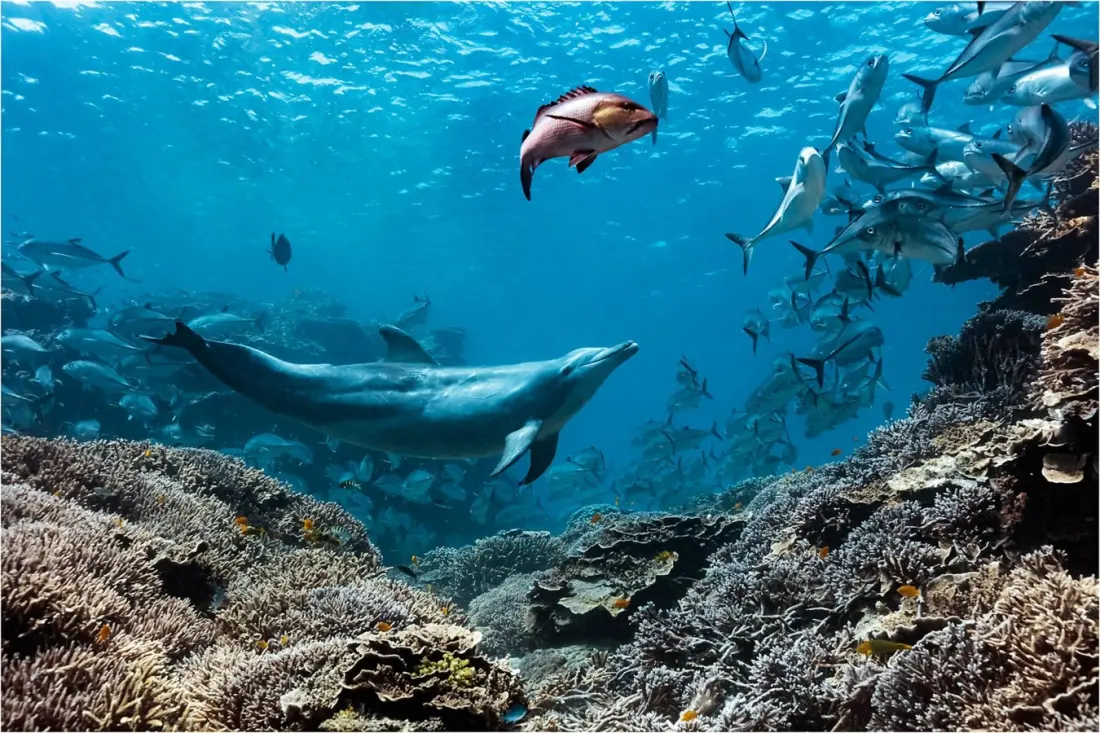
In the shallow reefs around Lady Elliot Island, at the southern tip of the Great Barrier Reef, researchers have filmed a bottlenose dolphin doing something no cetacean has been documented doing in detail before: stealing meals straight out of another animal's stomach.
Scientists from the University of the Sunshine Coast tracked the same male common bottlenose dolphin over several years, recording his unusual tactic 11 times between 2021 and 2025. In every single case the routine was identical. He would harass a school of bigeye trevally, single out one fish, then chase it relentlessly until the stressed fish vomited up its last meal — which he promptly ate.
The behaviour is called kleptoparasitism, a food-stealing strategy seen in animals from seabirds to hyenas, but it is usually a opportunistic grab. This dolphin turned it into a reliable, repeatable hunting method. Co-author Dr Asia Haines suggests that over the years he may even have learned to pick out the fish with the fullest bellies, essentially targeting the best-stocked meals in the school.
There may be an audio element too. The research team, publishing in Ecology and Evolution, hypothesises the dolphin amps up the fish's stress with intense clicking and low-pitched vocalisations before moving in. And while common bottlenose dolphins usually forage in groups, this one always hunted alone — which might be the whole point. PhD student and co-author Romney Edwards-Francis notes that coaxing a fish into surrendering its lunch could burn far less energy than chasing down fast-moving prey solo.
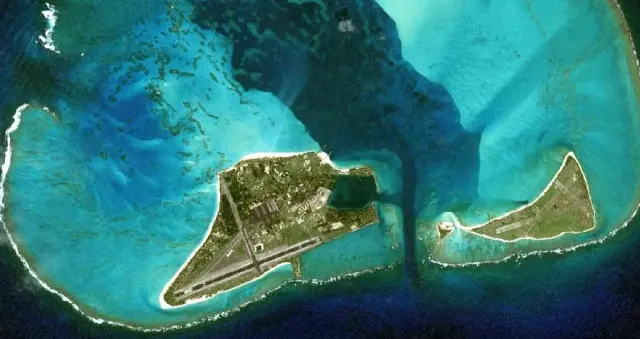
For travellers, this is a reminder that Lady Elliot Island is one of the most rewarding snorkel and dive spots on the entire reef, and not just because of its famous manta rays and turtles. The dolphin was filmed in easily accessible shallow reef waters, the kind visitors snorkel over every day. If a lone bottlenose is shadowing a glittering school of trevally there, you might just witness a world-first behaviour in person — or at least come home with footage of one of the reef's more characterful residents.
The island sits within a Green Zone marine park, so wildlife is abundant and protected, and the research is a good reminder to watch without interfering: the dolphins here have their own ideas about lunch.