
Vilnius Airport briefly halted all flights on a Sunday afternoon after radar picked up what officials feared was a drone crossing in from Belarus. The object turned out to be a flock of birds — but not before NATO fighters were airborne and residents' phones lit up with shelter warnings.
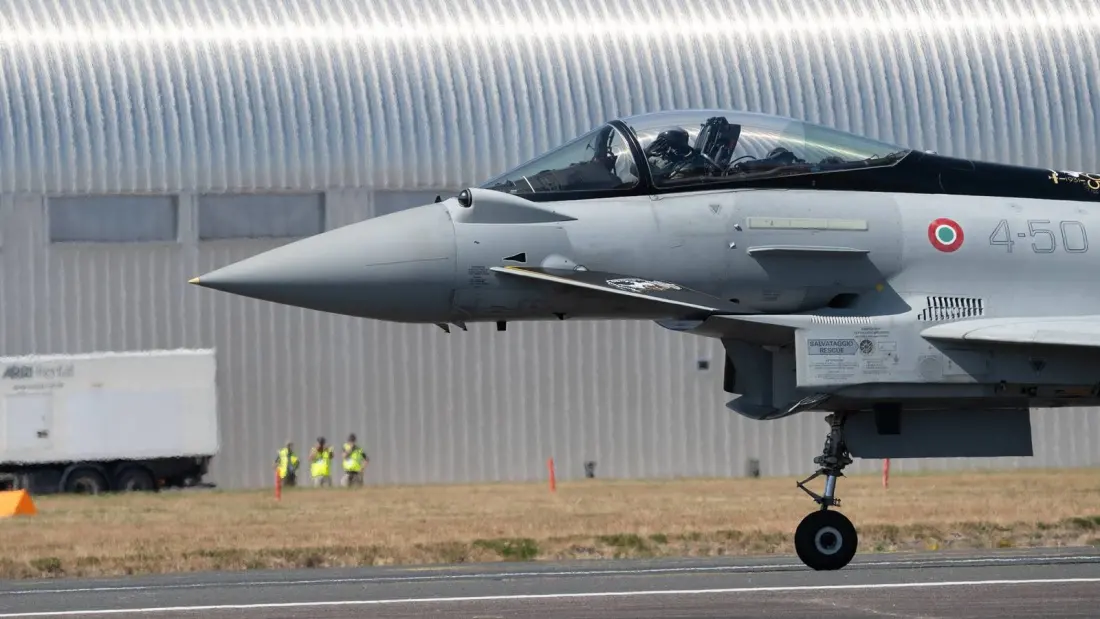
The yellow air alert was declared at 12:59 PM local time, and arrivals and departures at Vilnius International Airport (VNO) were suspended for 38 minutes before it lifted at 1:37 PM. Because radar signals from large bird flocks moving in one direction can closely resemble a drone, crews carried out a visual check. Italian Air Force Eurofighter Typhoons, currently patrolling Baltic airspace from Šiauliai Air Base, identified the object as birds.
The scramble was disruptive all the same. Two inbound flights diverted to Kaunas Airport, about 85 kilometres away, and a Warsaw flight turned back mid-route. A third aircraft headed for Gdańsk, then reversed course and landed at Vilnius once the airport reopened. The city's annual marathon was underway at the time; authorities discussed pausing it but the race went ahead.
It was not the only alert that day. Earlier, at 4:25 AM, radar tracked an object heading out of Lithuanian airspace towards Kaliningrad. With no clear identification and an outbound track, no alert was raised.
The incident reflects how jumpy Baltic airspace has become. Lithuania logged at least 22 smuggling drones this month alone, and in May a tracked drone near Vilnius triggered a more serious red alert that shut the airport for 40 minutes and halted rail services. Last week Poland scrambled helicopters over a suspected drone near its Belarusian border — also later identified as birds. NATO's Italian detachment took over Baltic air policing this summer from French and Romanian forces, and interceptions don't come cheap: a Typhoon costs an estimated $60,000–65,000 per flight hour.
For anyone flying into or out of Vilnius, the practical takeaway is to expect occasional short-notice disruptions. Alerts have so far been brief — under an hour in both recent cases — but diversions to Kaunas or Gdańsk can add hours to a journey. If you're travelling through the Baltic states in the coming months, build some slack into connections, keep an eye on airline notifications, and don't be alarmed by emergency phone alerts if you're on the ground in Lithuania when one sounds.