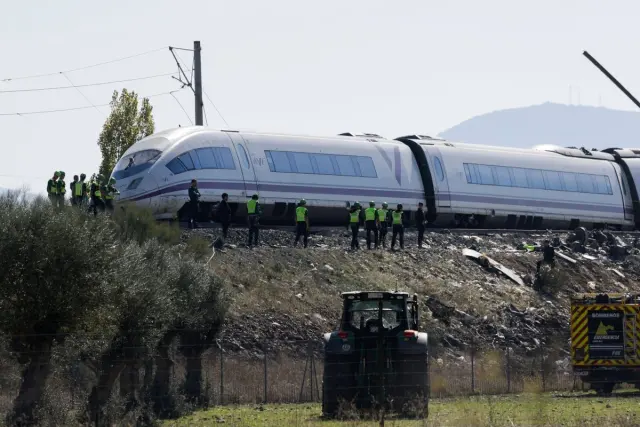
A collision between two trains in central Spain has killed at least 68 people and left dozens more injured, in one of the worst disasters in the history of the country's high-speed rail network.
The crash happened early Wednesday in Urda, in the province of Toledo, when a high-speed service carrying 378 passengers collided with a second train carrying 147, according to Spain's national railway company Renfe. Several carriages reportedly came off the tracks and fell down an embankment.
Dominican President Luis Abinader was among the first international figures to respond, posting a message of condolence on behalf of the Dominican government and people. He offered solidarity with Spain, sympathy to the families of the victims, and wishes for a full recovery to the injured.
The crash is being described as one of the deadliest accidents on Spain's high-speed rail system, which has now recorded two major fatal incidents this year. Spanish authorities have not yet detailed the cause, and investigations into how two passenger services came to be on a collision course are expected to focus on signalling, dispatching and track conditions on the route.
For travellers, the immediate practical impact centres on rail services through the Toledo area. Spain's high-speed network — including AVE and Renfe-operated routes linking Madrid with cities across the country — is one of Europe's busiest, and Toledo is a popular day trip from the capital. Anyone with bookings on affected lines should check Renfe's updates before travelling, as delays, diversions or cancellations are likely while the site is cleared and the investigation proceeds. Rail tickets in Spain can typically be changed or refunded when services are disrupted, so keep booking references handy.
Beyond the immediate disruption, the incident is a reminder that even countries with excellent rail safety records are not immune to serious accidents. Travellers are advised to follow local news and official Renfe communications rather than social media rumour in the days after events like this, and to allow extra time for connections when rail schedules are in flux.
The scale of the loss — more than 500 passengers were on the two trains combined — means the aftermath will be felt for some time, both in the region and in Spain's wider rail operations. Condolences have poured in from abroad, underscoring how closely European rail incidents are watched by governments and travellers alike.