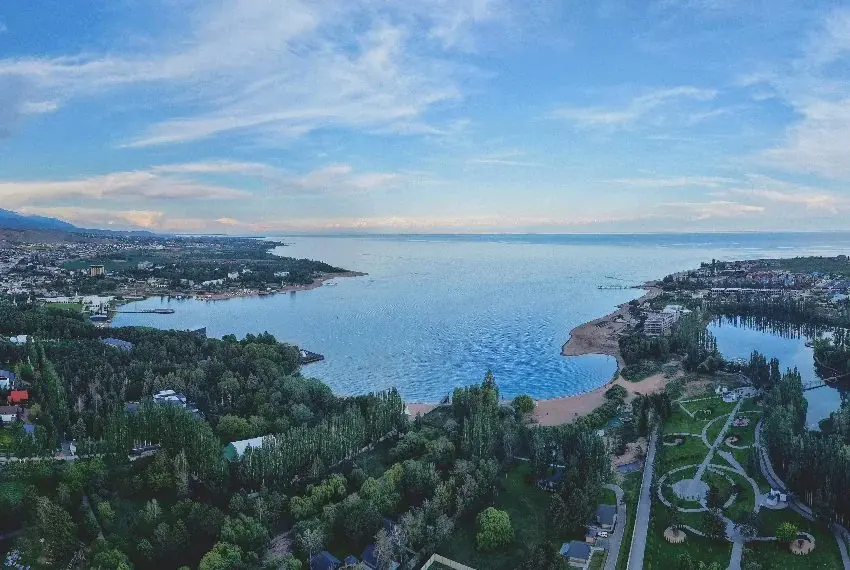
Kyrgyzstan is pushing for an international trust fund, set up under UN auspices, to protect Issyk-Kul — the enormous alpine lake that anchors the country's tourism industry. The proposal was tabled at COP17, the UN biodiversity conference running in Yerevan from 19 to 30 October, which has drawn around 15,000 participants.
Dinara Kemelova, the President's Special Representative for the Mountain Agenda, leads the Kyrgyz delegation. Speaking at Mountain Ecosystems Day on 26 October — an event run by UNEP, the FAO and the Mountain Partnership — she urged countries to go beyond promises and actually fund the protection of mountain environments and their wildlife.
The trust fund is one of three ideas President Sadyr Japarov unveiled at the COP17 Leaders Summit. Kyrgyzstan is also asking for a dedicated mountain programme under the Global Environment Facility, and wants to host a Global Mountain Resilience Center in the capital, Bishkek. Delegates at the conference discussed restoring mountain ecosystems, securing international financing, and using modern technology to monitor biodiversity — with Kyrgyzstan arguing that rugged terrain and climate pressures make environmental work especially hard in mountainous countries.
There's also a date for the diary. Kemelova used the margins of COP17 to invite partners to the Second Global Mountain Summit, Bishkek+25, to be held in Kyrgyzstan on 21–23 October 2027. Along the way she held bilateral talks with delegations from Spain, Norway, Poland, Saudi Arabia, Panama and several other countries.
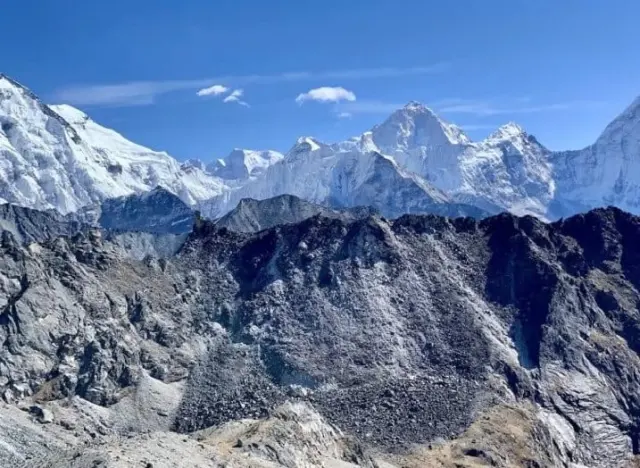
Why should a traveller care? Issyk-Kul is the world's second-largest high-altitude lake, ringed by the snow-capped Tian Shan and long used as a summer escape by visitors from across Central Asia and Russia. Its beaches, sanatoriums and trekking trails are the backbone of Kyrgyz tourism, and the lake's health is directly tied to the experience travellers come for. Stronger international protection — and the monitoring and funding it would bring — is good news for anyone planning a trip around the lake, and the 2027 summit could put Kyrgyzstan's mountains in front of a much bigger global audience.