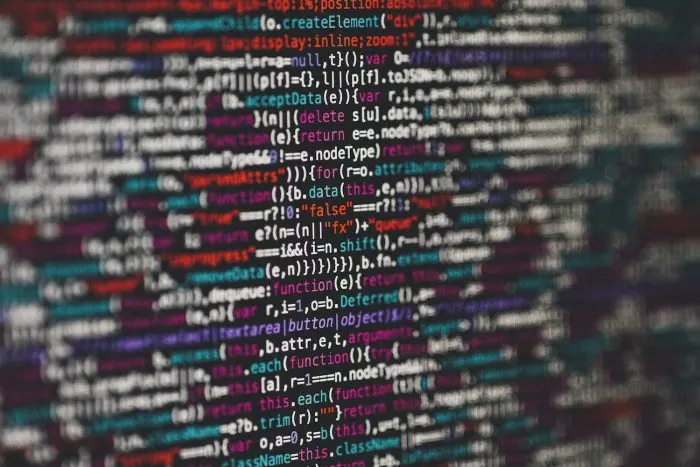
A security problem in a programming language most travellers have never heard of briefly took government websites offline across Europe this week, and it's a reminder of how fragile some of the web's plumbing really is.
The issue sits in PHP, the language that powers an estimated 70% of all websites with a known server-side language — including WordPress, which alone runs 43% of the entire web. Developers rushed out an emergency update on October 21, 2026, containing two critical fixes, and security agencies from the Netherlands to Australia urged site owners to patch immediately or take their sites offline entirely.
Some did exactly that. Government agencies in the Netherlands and Finland pulled websites down as a precaution after reports that hackers were already exploiting the flaws in live attacks. Even the Dutch cybersecurity agency took its own site dark. In the UK, Japan, Europe and Australia, national cyber authorities issued urgent advisories.
The scale of exposure is what makes this one different from your average software patch. As security firm Huntress put it in its blog, PHP is everywhere — it quietly runs WordPress, Drupal, Joomla and Magento sites, shared hosting platforms and control panels, often without the site owner even knowing. All PHP versions from 5 onward may be affected, though the project hasn't yet confirmed which ones are vulnerable. Cloudflare's CTO Dane Knecht said early attacks were already emerging, with his team rolling out firewall rules as a stopgap while stressing that real protection comes only from patching.
There's a catch for the millions of people who run WordPress sites: Wordfence, a popular WordPress security plugin, warned that automatic updates will not apply the fix. Site owners need to work out who is actually responsible for updating PHP on their hosting — often the hosting provider, sometimes themselves.
Why does this matter if you're just booking a holiday? Because a huge slice of the travel web runs on this stack. Independent hotels, guesthouses, tour operators, booking engines, destination blogs — plenty of small travel businesses are WordPress sites on shared hosting, and many have no idea who maintains their PHP version. If you run one of these sites, this is your prompt to check with your host today. If you're a traveller, it's a good moment to be sceptical of any oddly behaving booking site, and to make sure your own travel blog or side project is patched. A compromised site can harvest card details from fake booking forms or push visitors to phishing pages that look convincingly like a villa rental.
The immediate advice from security agencies is simple: update PHP as soon as possible, or take the site offline until you can. For travellers, nothing needs cancelling — but it's a useful nudge to keep bookings on established platforms, watch for anything that feels off on smaller operator sites, and remember that the web's most popular publishing tools are only as secure as the person keeping them updated. The PHP team's fix is out; the race now is getting everyone to install it before attackers finish scanning for stragglers.