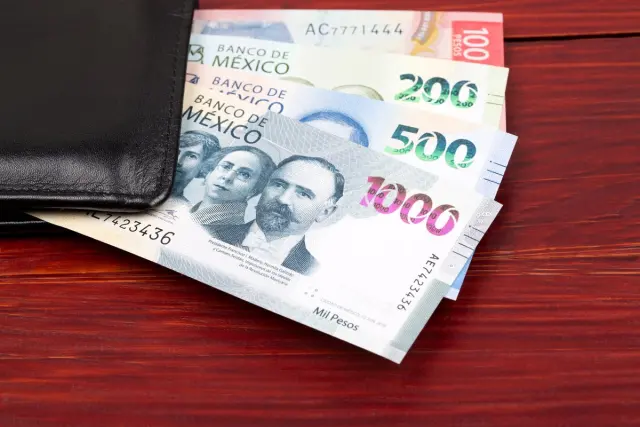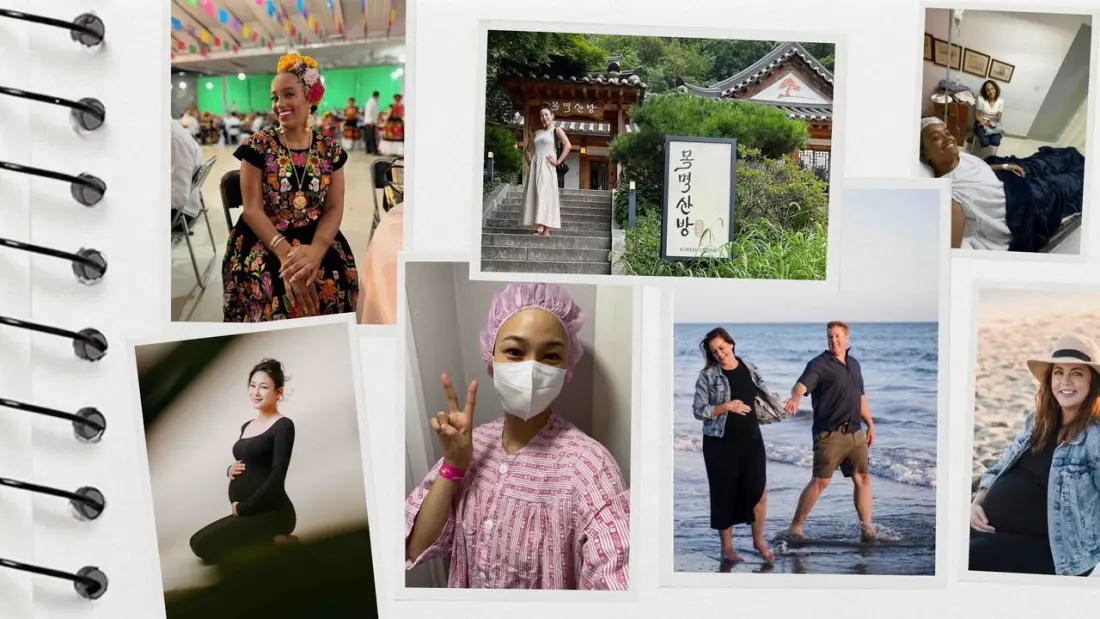
A round of egg freezing in the US costs roughly $16,000, according to FertilityIQ. One writer recently paid about $7,000 all-in — flights, accommodation, three weeks of food and city life included — for the same treatment in Oaxaca, Mexico. That arithmetic explains a quiet boom in reproductive travel, with the CDC estimating millions of Americans head overseas for medical care each year and fertility treatment among the top draws.
The destinations are varied. Mexico and Panama are popular with Americans — Panama Fertility in Panama City now counts US patients as one of its fastest-growing groups, at roughly half the cost of home treatment. Spain, Greece and Cyprus are European stalwarts, while Barbados Fertility Centre attracts visitors with a 72% success rate for donor-egg IVF and about 50% savings. Even Seoul has appeal: an IVF cycle runs $5,000–$10,000, and the medical system is fast and high-tech — plus there's the option of pairing treatment with beauty appointments and a weekend in Japan.
But cost is only part of the story. The law differs sharply from country to country, and that shapes where people go. Spain allows single women and same-sex couples to access IVF with donors — a draw for one New Yorker who froze her eggs in Madrid partly because of those legal protections. The Czech Republic restricts treatment to heterosexual couples. Greece caps embryo transfer at age 54, Barbados at 49. Some countries don't allow you to choose your sperm donor, and Germany, Denmark and the Netherlands limit pre-transfer genetic testing to high-risk cases. In South Korea, IVF is not formally banned for single women, but clinics effectively require proof of heterosexual marriage.
The personal outcomes are the persuasive part. Alisa Purdie, a Californian who went through premature menopause in her early thirties, waited 15 years before starting treatment in Barbados at 46. Her first donor-egg transfer worked; her daughter turns one this month, and a second embryo is planned. She now runs a community called IVF Sisterhood for women navigating IVF, especially after 45. Another woman profiled conceived naturally years after freezing eggs in Spain, but likes knowing they're stored somewhere with full legal protections.
One practical point comes up again and again: treatment doesn't consume the trip. Egg retrieval requires 10–14 days of daily hormone injections and clinic visits every few days — leaving plenty of free time. Patients describe walking around Madrid, wandering Oaxaca, catching Seoul Fashion Week and even a weekend in the Canary Islands with medication packed in the bag. Several say keeping the trip fun and low-stress genuinely helped.
The common regret among these women isn't going abroad — it's not starting sooner, whether that means early hormone testing in your thirties or simply knowing overseas treatment exists as an option. For anyone priced out of care at home, facing restrictive laws, or seeking a specific legal route to parenthood, fertility travel is increasingly a first choice rather than a last resort. The catch: research each country's rules on marital status, age limits and donor anonymity before booking anything. Original reporting by Condé Nast Traveler.