Sundowners in the Lowveld are a highlight of any South African summer trip, and they're also prime feeding time for the mosquitoes that carry malaria. A recent Getaway South Africa feature makes the point bluntly: saying "I never get bitten" is not a malaria plan. One unnoticed bite is enough, and South African travellers should assume they have no immunity at all.
Where's the risk? Within South Africa, it's the lowveld areas of Limpopo, Mpumalanga and northern KwaZulu-Natal, which covers the Kruger National Park and surrounds. Cape Town, Johannesburg and Durban are not malaria zones, and the coast south of the Tugela is fine too. Cross a border, though, and the picture changes — most cases diagnosed in South Africa come from local risk areas or neighbouring countries, with Mozambique the highest risk. Timing matters as well: transmission runs roughly September to May, so a November or December holiday sits squarely inside the season.
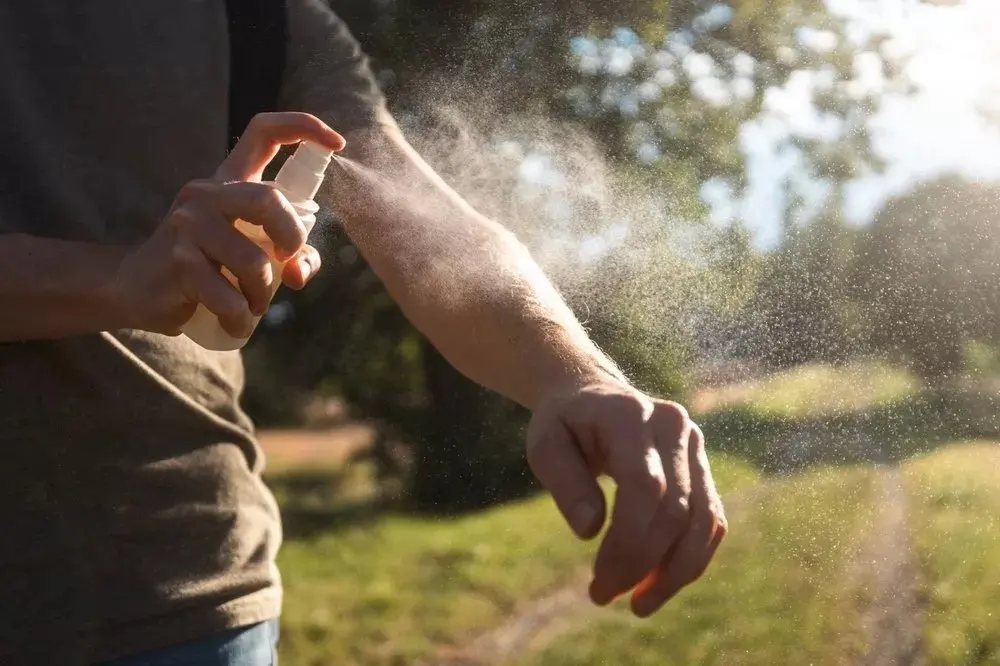
The advice is to layer your defences, because no single measure is foolproof. Use a repellent with at least 10% DEET (picaridin also works), reapplying after swimming or sweating. Cover up in long, light-coloured clothing from late afternoon — ankles and feet are the spots people forget. Sleep under a treated net or behind screens, with a fan or aircon going, and add a coil or plug-in for the stoep. Bed nets alone have cut malaria in sub-Saharan Africa by at least half, so they earn their spot in the roof box. Pack antimalarial tablets in their original box with start and finish dates written on top, plus a thermometer and a trip diary noting where you slept each night.
On tablets: whether you need prophylaxis depends on your route, the season and who's travelling, so ask a pharmacist or travel clinic rather than the group chat. Ideally start the conversation 4 to 6 weeks before departure, since some tablets begin days before you enter a risk area and continue after you leave. Flag anyone in the group who's pregnant, under five or over 70 — their plan may differ. Tying the tablet to a regular meal makes it much harder to forget.
The step most people skip is the watch-after-you-get-home. Malaria can mimic flu — fever, chills, headache, aches — and South African guidance says report any flu-like illness within three weeks of possible exposure; US guidance says seek immediate care for fever up to a year after returning. Ask for a malaria blood test and mention where you've been, because delayed diagnosis leads to worse outcomes. One odd footnote: mosquitoes can hitchhike home in your car, so a fever back in the suburbs can still count.