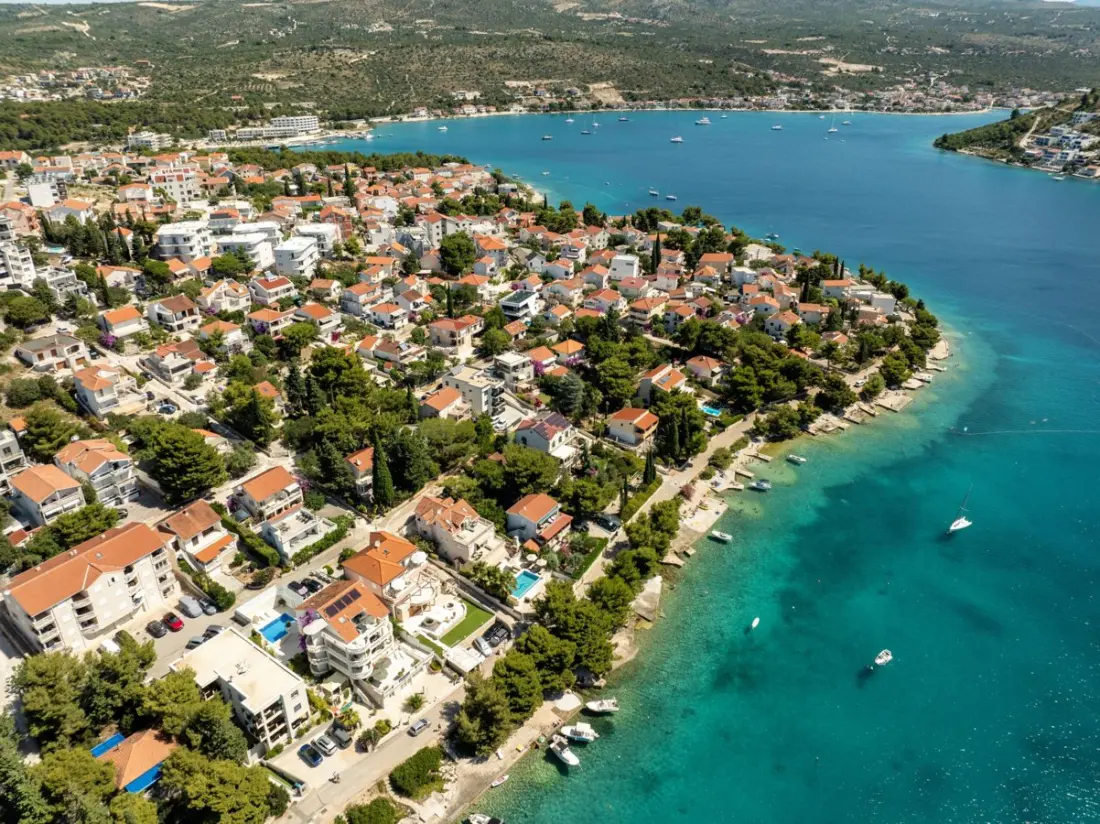
Croatia is overhauling how its huge private rental sector is regulated. The final proposal of a new Hospitality Activity Act has cleared parliamentary debate (a vote is still pending), and it introduces mandatory re-categorisation of rooms, apartments and holiday homes every ten years, unique registration numbers for anyone listing on online booking platforms, tougher inspections and higher penalties for illegal operators.
The transitional deadlines are where it gets fiddly for landlords. If your approval decision was issued by 31 December 2015, you'll have five years from the entry into force of the relevant ordinance to re-categorise. If your decision dates from 1 January 2016 onwards, you get ten years. Crucially, the clock doesn't start on 1 January 2027 — it starts when the new ordinance takes effect, so the dates aren't fixed yet. After that, administrative bodies will re-check properties every decade of their own accord, and anything that no longer meets the standards can be re-graded or have its approval revoked. Hotels and campsites, which previously faced checks every four years, get a longer cycle of five.
State Secretary for Tourism and Sport Monika Udovičić insists the rules aren't aimed at private landlords, pointing out that some properties on the market were categorised more than two decades ago and never re-checked. She also drew a line between traditional family accommodation operators and pure rentierism in residential buildings, noting that Croatia adds roughly ten thousand private-rental beds a year while demand hasn't kept pace — a pressure on occupancy across the board.
Not everyone is convinced. Vedran Tomić, who leads the association of small family landlords (SMOi), argues that guest reviews already do the job of quality control, citing an analysis of over 1.6 million reviews in which Croatian private accommodation outscored hotels. His read on the reform: it's really about shrinking private rental share and growing hotel capacity. Hrvoje Margan of the Croatian Chamber of Trades and Crafts welcomed the digitalisation of procedures but warned the technical minimums shouldn't become a mechanism for weeding out small operators.
One change matters to travellers directly. From 1 May 2027, every unit advertised on short-term rental platforms must carry a free, digitally issued registration number (via e-Citizens), displayed in the listing. That's designed to link listings with the authorities and squeeze out unregistered renting — so if you book an apartment in Split or Dubrovnik after that date, a visible registration number becomes a decent sign you're dealing with a legitimate host.
For visitors, the near-term picture doesn't change much: until the law passes and the ordinances take effect, everything runs on current rules. Most provisions are slated to begin on 1 January 2027, with the registration-number regime following in May. The longer game is a rental market with fewer grey-area listings and more consistent standards — good news if you've ever arrived at an apartment that looked nothing like its photos.