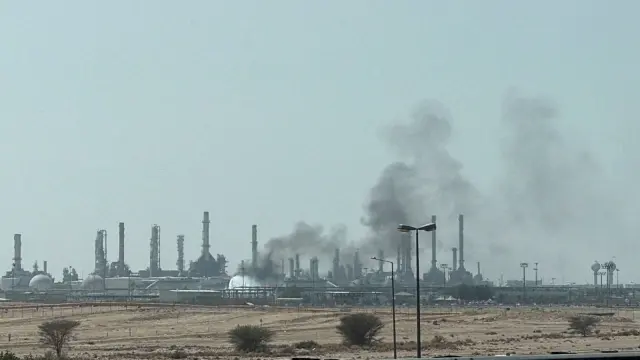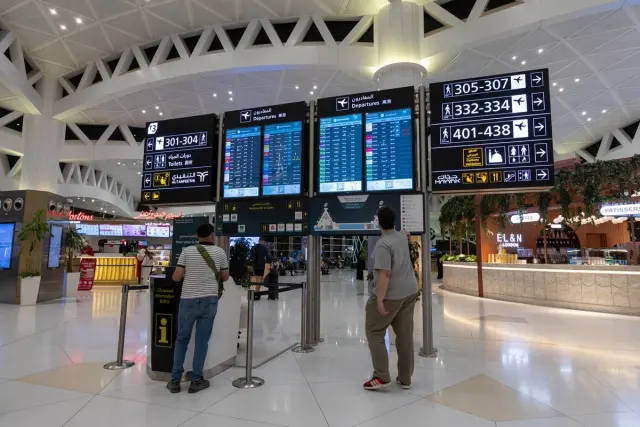
Riyadh's King Khalid International Airport has gone from showcase hub to a place airlines are desperate to leave. According to reporting by The Wall Street Journal, carriers and aircraft owners are repositioning up to $4 billion worth of planes out of the Saudi capital after Houthi attacks killed travellers and airline staff and damaged aircraft on the ground.
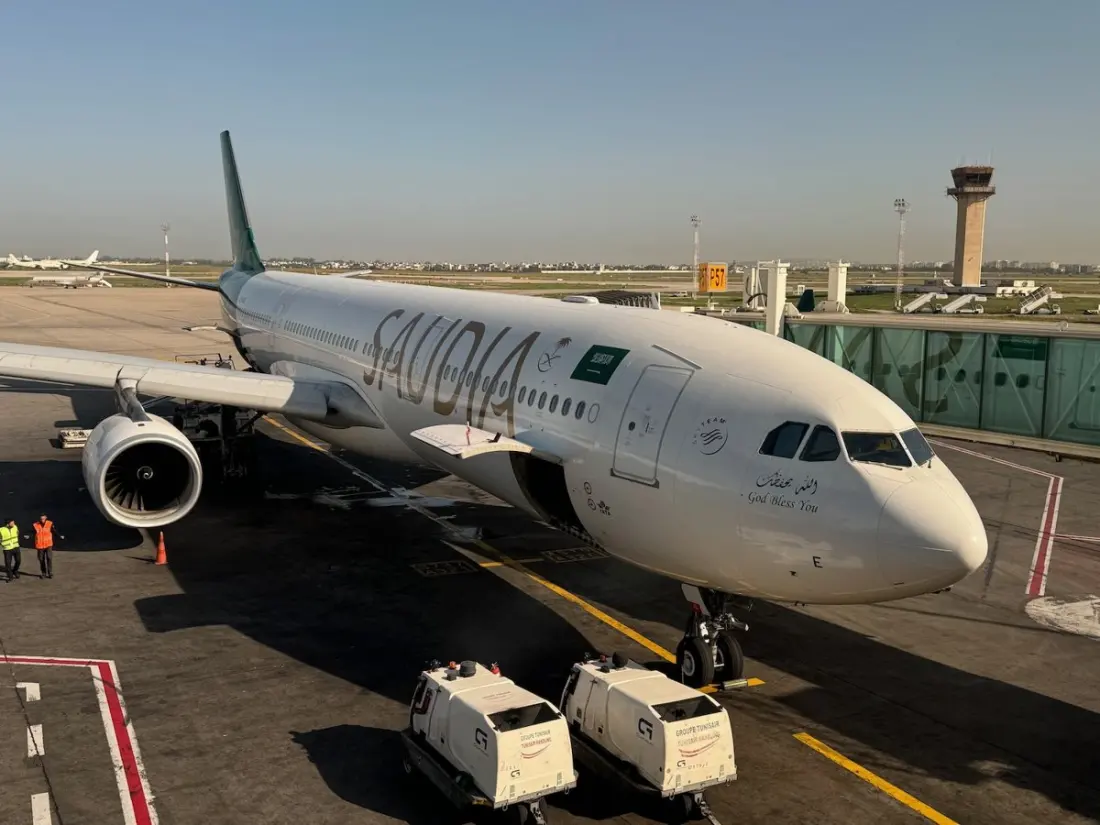
The scale of the pullback is striking. Flightradar24 data cited in the report shows the number of aircraft parked at Riyadh fell from 134 on October 8 to just 38 by midday on October 14 — roughly a 70% drop in under a week. An insurance report reviewed by the Journal identified six damaged aircraft, including one written off entirely, with a combined insured value of around $375 million. That figure reflects insured value, not a final repair or payout tally. Among the losses: a Saudia Airbus A320 destroyed in the strikes.
Riyadh Air is among the carriers moving planes to safer ground, with Boeing 787-9s repositioned to Al Ula and Medina, and another aircraft relocated from Jeddah to Lahore in Pakistan. It echoes what happened in Kyiv after Russia's invasion, when airlines scrambled to spirit their fleets out before airspace closed. Still, moving a jet only goes so far — an aircraft parked safely hundreds of miles away is of no use to the passengers who were booked on it.
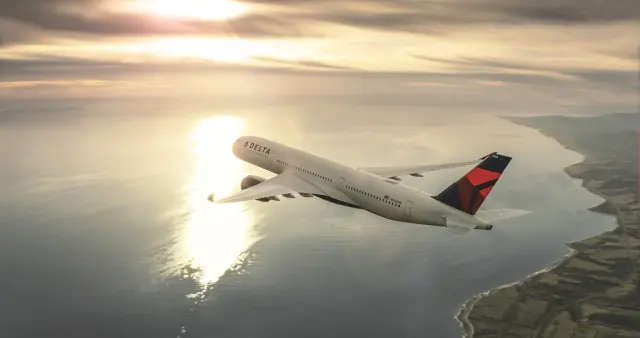
The broader irony is hard to miss. Saudi Arabia has poured money into aviation as a pillar of its economic transformation: new airlines, gleaming terminals, ambitious connectivity goals and a big tourism push. Those plans rest on a foundation that has now cracked. Delta has pushed its planned Riyadh launch back to March 2027, and the Houthis have threatened further attacks on Saudi airports and oil facilities, meaning the risk has not passed.
For travellers, the practical picture is simple: Saudi Arabia's aviation network is in disarray, with cancellations and disruption likely to continue, and any trip involving Riyadh should be treated with real caution until the security situation stabilises. The longer-term question is whether the Kingdom's aviation ambitions can recover — restoring confidence among passengers and foreign carriers, once shaken by attacks on a civilian airport, tends to take far longer than repairing damage or replacing aircraft. Airlines can rebuild fleets. Rebuilding trust is a different job entirely.