For years, American Airlines ran on a simple theory: any product improvement would just be copied by rivals, so don't bother. Instead, invest in culture and hope employees take care of the rest. Under then-CEO Doug Parker, that meant new domestic cabins with less legroom, thinner seats and no seatback screens, cut meal service, and a mobile app that just pointed you to a website. Meanwhile Delta built a genuine reputation — reliable operations, strong line maintenance, few involuntary bumps, seatback screens everywhere — and made a masterstroke trade in 2011, swapping 42 Washington National slot pairs to US Airways for 132 daily LaGuardia slot pairs plus $66.5 million, buying itself a fortress in the most lucrative customer market in America. That positioning helped Delta overtake American in co-brand credit card spending.
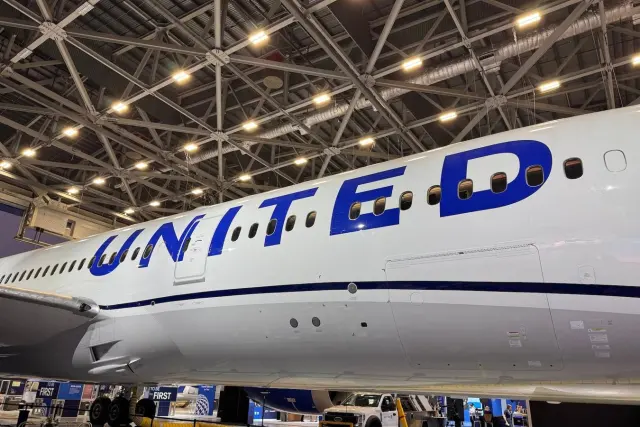
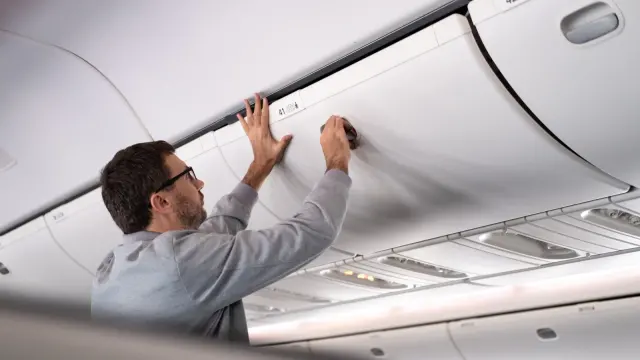
United, interestingly, travelled a similar stingy path for a while — trimming domestic first class meals and Polaris perks while Scott Kirby was still at American, then again after he moved. But United changed direction. Its United NEXT programme brought screens, bigger bins and better cabins, while heavy investment in the mobile app gave passengers real control over changes and rebooking. Kirby's latest bet: free Starlink Wi-Fi. He freely admits rivals — American, Southwest, Alaska, even Frontier — will eventually match it, but believes a two-to-three-year head start gets travellers in the door, where they'll discover the app, the network and the food, and shift their loyalty and card spending. United now aims to largely finish hub connectivity by summer 2027, then pivot to coastal gateways and a return to New York JFK, with premium-heavy A321neo and A321XLR deliveries.
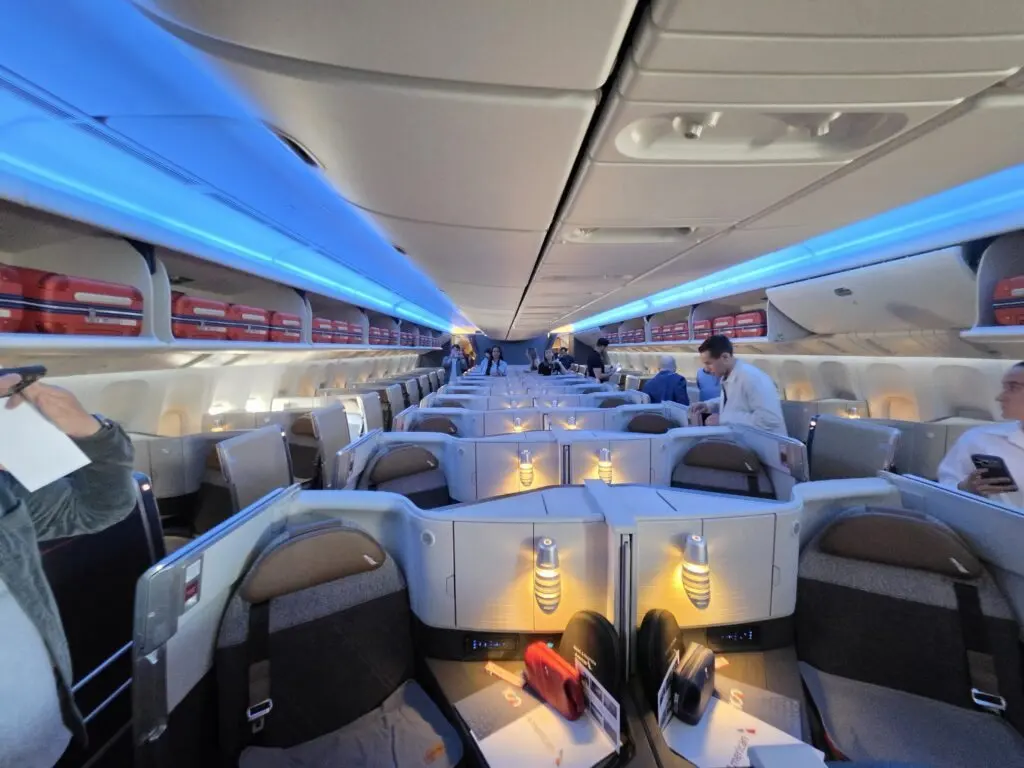
American has finally pivoted too — roughly 21 months into it. Better coffee and wine, improved lounges, new business class suites, returning seatback screens, more first class and extra-legroom seating, Starlink installs starting early next year, and an instruction to stop involuntarily bumping passengers. Flagship Dining in Los Angeles is reopening after more than six years, extended to qualifying business class passengers, largely because Delta's and United's equivalents had outclassed it.
The catch: American is doing all this while losing money, with heavy debt left over from more than $12 billion in share buybacks under Parker. Wall Street's patience may run out before enough flyers have actually experienced the improvements. And matching Delta's screens or United's Wi-Fi may not be enough — both competitors have a story beyond the individual feature: Delta's reliability, United's network plus tech. As Kirby puts it, passengers will come for Starlink and stay for everything else. American hasn't yet articulated its equivalent pitch — and that, more than any single cabin upgrade, is the race it's running.