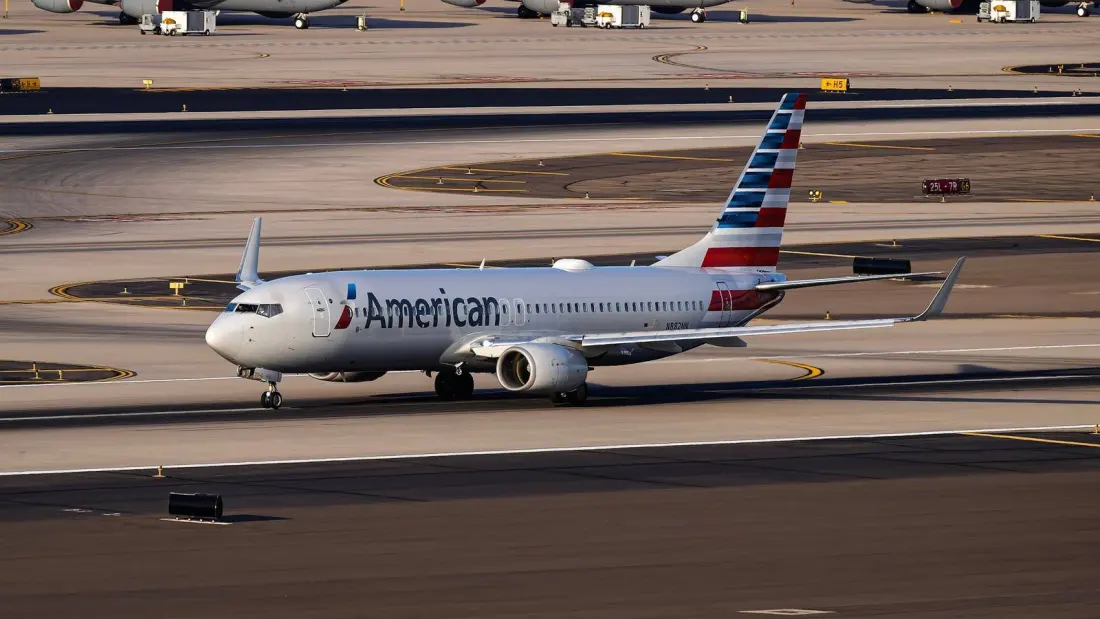
A passenger flying from New York to Cleveland lost her seat, rented a car instead, and expected American Airlines to cover it. She says a gate agent promised $650. What she actually got was a $250 flight credit, later topped up to $442 after consumer advocate Christopher Elliott got involved. The missing $208 became a test case in how US bumping rules really work.
American's defence hinges on a detail most travellers never hear about: the airline swapped in a smaller aircraft. Under federal regulation 14 CFR § 250.6, passengers denied seats because of an aircraft substitution for operational or safety reasons are not entitled to involuntary denied-boarding compensation. Oversold flight? You may be owed money. Smaller plane assigned? The rules don't apply the same way. The airline also suggested the $650 figure was probably aimed at volunteers giving up seats, not passengers removed against their will — and described an internal record showing eligibility for a $353 check as an error.
The stakes are real. For genuine involuntary bumps, Department of Transportation compensation runs to 200% of the one-way fare (capped at $1,075) for shorter delays, and 400% (capped at $2,150) for longer ones. But those amounts aren't automatic when the smaller-aircraft exception kicks in.
The timing is awkward for American. Weeks before this dispute surfaced, the carrier told airport staff to stop involuntarily denying boarding altogether, effective September 30, 2026 — keep the door open and keep raising offers until enough passengers volunteer, even if that means departing late. That policy came after DOT figures showed American and its regional partners involuntarily bumped 14,758 passengers in 2025, roughly 60% of the industry total and more than every other reporting airline combined.
The practical lesson for anyone flying: get any gate offer in writing before you walk away from the desk. A verbal promise of $650 is hard to enforce when the airline later reads the same situation as exempt from federal compensation rules. The DOT also requires airlines to give involuntarily bumped passengers a written explanation of their rights — ask for it, and check whether your case was an oversale or an aircraft swap, because it changes what you're owed.