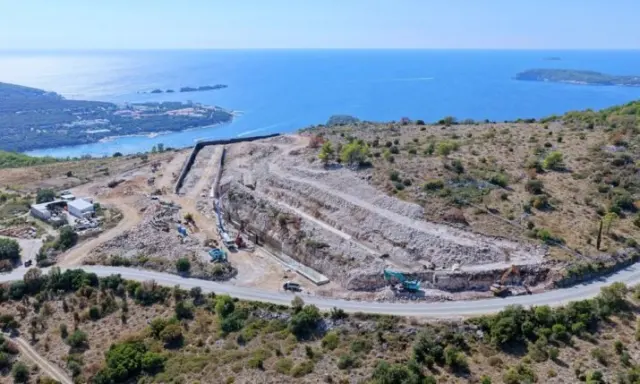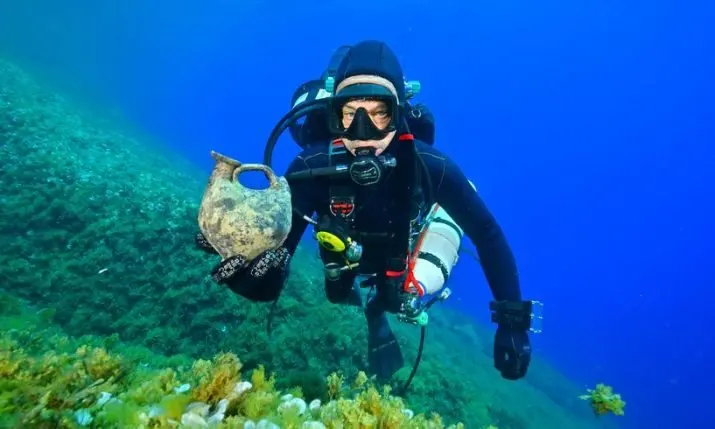
A bay off the Croatian island of Vis has turned out to hold one of the most significant underwater archaeological finds in the Adriatic. In Gnjilna Bay, near the town of Komiža, researchers from Croatia's Conservation Institute have been investigating a Hellenistic-era shipwreck dating to the fourth or third century BC — a vessel that sank more than 2,300 years ago while trading along the eastern Adriatic coast.
The site was led by Jurica Bezak of the Department of Underwater Archaeology, and the work between 2023 and 2025 produced remarkable results. Among the finds is a six-metre section of the original wooden keel with adjoining planking, still preserved after two millennia underwater. That alone makes the wreck unusual — but the cargo is what has archaeologists excited.
The ship was carrying Corinthian B-type amphorae, the workhorse wine and oil containers of their day, produced around Corinth and its colony of Korkyra (modern Corfu) from the sixth century BC onward. Wrecks carrying this amphora type are exceptionally rare in Croatian waters — only two comparable sites were previously known, near a reef at the entrance to Vis harbour and off the island of Žirje. Even more notably, this is the first wreck in the area found with Greek fine pottery on board: elegant single-handled skyphoi drinking cups, wine-associated kantharoi, askoi pourers, bowls, plates and salt cellars, some in outstanding condition.
There are coins too, minted by Pharos, the ancient Greek settlement on today's island of Hvar, along with animal bones and incised marks scratched into black-coated vessels after firing — possibly abbreviated personal names used as ownership marks, hinting at a crew member of some standing.
The bigger picture is a trading network. Vis was home to the ancient Greek colony of Issa, famed for its wine, and Hvar's Pharos was producing amphorae as well. The cargo and the drinking vessels together point to just how central wine was to commerce and daily life in these Greek Adriatic settlements — and the graffiti suggests we're glimpsing the personal possessions of the sailors themselves.
For travellers, this is a good reminder that Vis is more than beaches and葡萄酒-fuelled summer evenings: the island sits at the heart of one of the Mediterranean's richest underwater heritage zones. Local diving centres on Vis collaborated with the archaeologists on identifying and protecting the site, and recreational divers from around the world are drawn to the Adriatic seabed precisely because of wrecks like this one. You can't dive the Gnjilna Bay site yourself — it's a protected archaeological site — but Vis and Hvar carry the story on land, from the archaeological collections in Komiža and the Issa remains in Vis town to Hvar's ancient Pharos. If you're planning a Dalmatian island trip with a historical streak, this discovery makes a strong case for putting both islands on the same itinerary. Few places in Europe let you sip local wine while standing in a Greek colony that was exporting it before the Roman Empire existed.