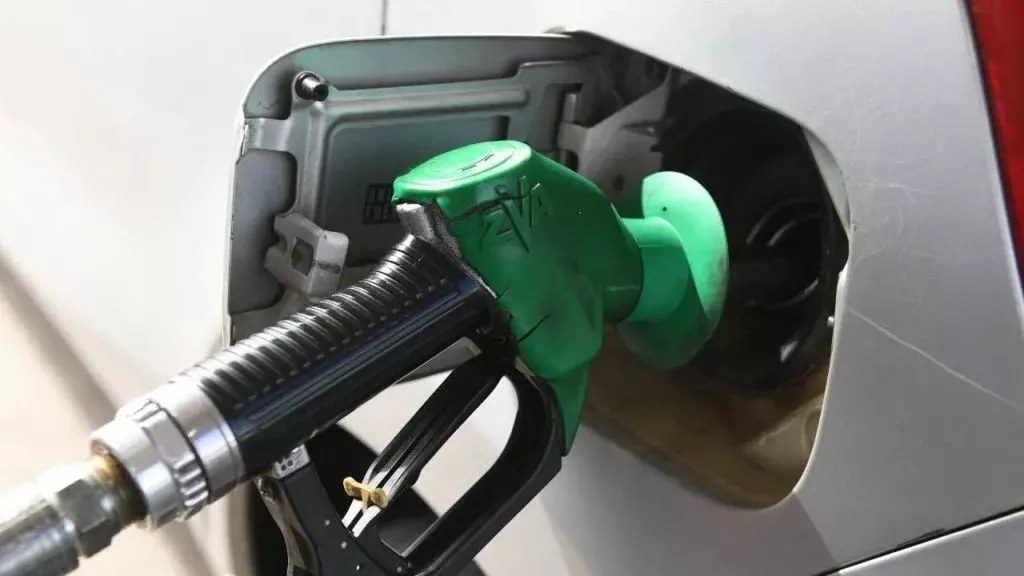
A viral poster calling for a 'total national shutdown' of South Africa on Monday, 19 October has been confirmed as genuine by the group behind it, Concerned Citizens of South Africa. The action urges workers to stay home and learners to skip school, and it comes at a moment when petrol has hit R30.25 a litre — a price point that has pushed fuel costs to the top of the national agenda.
Ntokozo Mkhize, a representative of the organisation, told CapeTalk the group takes full ownership of the poster and described the movement as non-partisan. The core demand is straightforward: cut the taxes and levies baked into every litre of fuel. The two biggest are the General Fuel Levy, currently R4.10 per litre, and the Road Accident Fund levy at R2.25 per litre — a combined R6.35 on every litre sold.
Government has tinkered with this before. The General Fuel Levy was cut by R3 per litre in April and May, a measure that cost the treasury roughly R17 billion, before being clawed back through R1.50 increases in June and July. The Automobile Association has backed a permanent R3 cut and wants the Road Accident Fund levy scrapped entirely, arguing that temporary relief without a longer-term plan does little to tame the inflationary knock-on of fuel prices. That's the tension at the heart of the protest: those levies fund the government budget and compensation for road-crash victims, so cutting them has consequences beyond the pump.
This is not the only show of discontent on the calendar. A separate national mobilisation organised by March and March took place on 30 September, and further protest calls are circulating. Whether the 19 October shutdown attracts broad participation — and whether it moves policy — remains to be seen.
Why should travellers care? If you are in South Africa on or around that Monday, the practical advice is to treat the day as potentially disruptive rather than definitely so. Check with your accommodation, car hire company, tour operator and any schools or workplaces affected before finalising plans. Renting a car? Fill up the night before in case stations are shut or queues form. Road travel between cities could be affected by protests or blockades, so build buffer time into any transfers, especially around Cape Town, where organisers say local arrangements will be announced separately.
It's also worth noting the wider context for anyone road-tripping the country this year: fuel prices have climbed sharply in recent months, and hiring a car is more expensive than it was a year ago. Budgeting a little extra for petrol — or shifting some legs of a trip to long-distance buses or domestic flights — may be sensible.
For now, the poster is a call to action, not a confirmed shutdown. Follow verified updates from authorities and your travel providers as the date approaches, and keep an eye on whether the levy debate produces any actual relief at the pump.
Originally reported by Getaway South Africa via Cape {town} Etc.