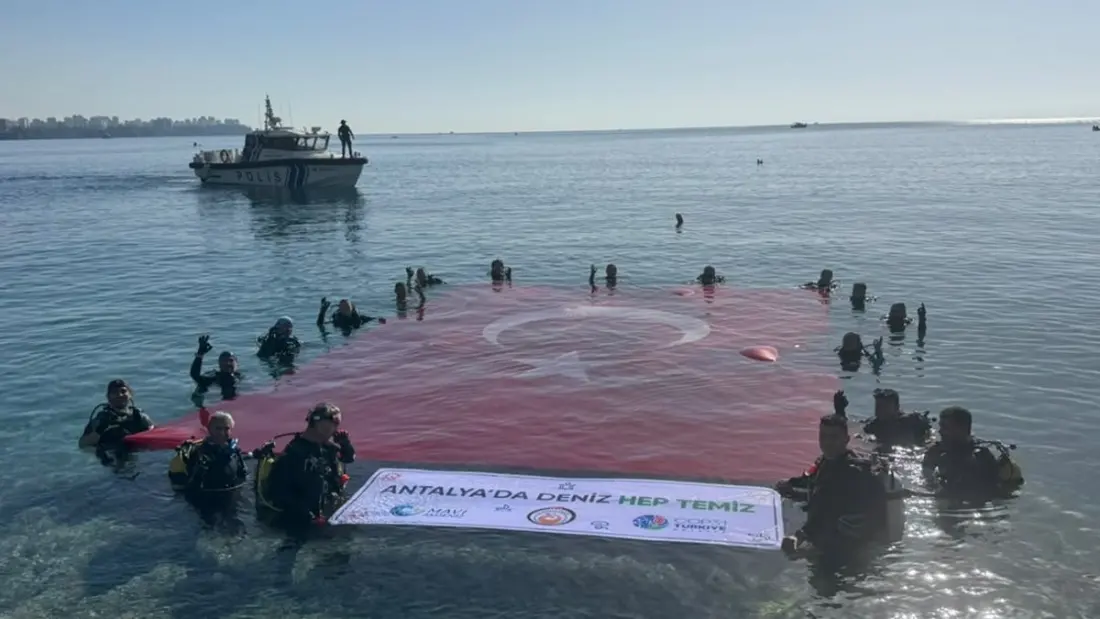
Divers off Antalya spent part of the UN's COP31 climate summit doing something refreshingly hands-on: hauling plastic bottles, cans and even discarded clothing off the seabed. The underwater and coastal cleanup, held in mid-November, paired adult divers with local children who collected rubbish along the shoreline — a two-front effort on one of the Mediterranean's most visited stretches of coast.
The event came together through the Antalya Governor's Office, the metropolitan municipality, Konyaaltı Municipality and a local underwater sports club. It wasn't a one-off either. According to Antalya Metropolitan Municipality's Ibrahim Ilhami Koç, these underwater and coastal cleanups run five times a year, drawing divers and residents together to look after the marine environment. His framing was simple: awareness only counts when it becomes action.
Antalya's selection as COP31 host city wasn't random. Koç pointed to the city's natural environment as one of the reasons it won the summit — and anyone who has swum off Konyaaltı's beaches or cruised along the cliffs toward Lara will understand the appeal. The cleanup closed with participants unfurling a Turkish flag at sea, a photo moment that doubled as a statement about local pride in the coast.
For travellers, the timing is worth noting. COP31 puts a global lens on Antalya just as the city positions itself as more than a sun-and-all-inclusive resort hub. The Turquoise Coast has a thriving diving scene — reefs, wrecks and accessible dive sites around Antalya Bay and further along toward Kaş — and a local culture of volunteer conservation that visitors can occasionally plug into. If you're certified, asking around at dive centres is a good way to find out whether a cleanup dive coincides with your trip.
The broader takeaway: the beaches and waters that draw millions of holidaymakers each year are actively maintained by people who live there, and the city's leadership is framing that care as central to its identity as a destination. Treating the water with the same respect — reef-safe sunscreen, no single-use plastics on boat trips, packing out what you bring to the beach — is an easy way to be part of that effort.
This story was first reported by Daily Sabah Travel.