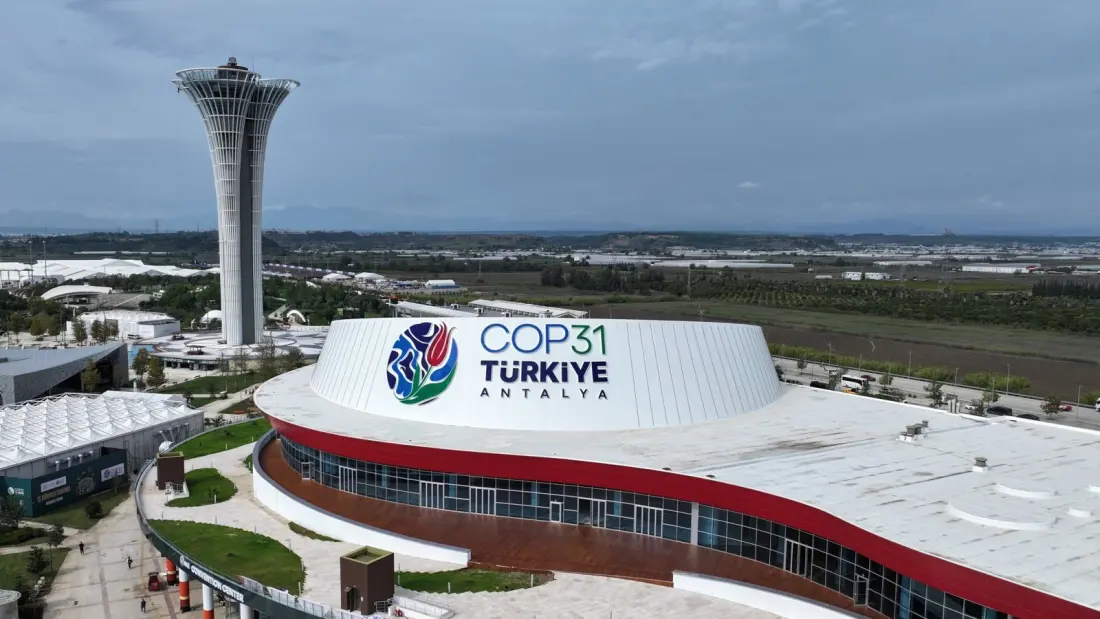
Türkiye is about to step into the global climate spotlight: the U.N. climate summit COP31 opens in Antalya next week, and Turkish academics are using the run-up to argue that this edition of the conference should produce enforceable commitments rather than another round of statements.
Three voices from Turkish universities set out what they want on the agenda. Dr. Büşra Yusufoğlu of Istanbul Technical University wants food waste treated as a climate problem, not just a waste-management issue. The numbers back her up: UNEP data shows roughly 1.05 billion metric tons of food wasted globally in 2022, with food loss and waste responsible for around 10% of worldwide greenhouse gas emissions. Wasted food also squanders the water, energy and transport that went into producing it, and rotting landfill waste releases methane. Her fixes are practical — better cold chains and storage, redistributing edible surplus, converting byproducts into higher-value goods, and AI-assisted demand forecasting — and she wants measurable reduction targets written into national climate plans.
Water is the other big Turkish priority. Dr. Ismail Dabanlı, a hydrology expert at the same university, points out that the Mediterranean basin — where Türkiye sits — is among the regions most exposed to climate change, and that droughts and floods there are increasingly linked to emissions-driven shifts in the climate system. He argues COP31 should put water security at the centre of the global agenda, backed by technology transfer and finance: replacing ageing urban pipelines, expanding drip irrigation, reusing treated wastewater in farming and rolling out smart water management. For developing countries facing the bill, he says, stronger climate finance commitments from wealthier nations will be decisive.
On the diplomatic side, Dr. Şuay Nilhan Açıkalın of Ankara Hacı Bayram Veli University frames Türkiye's COP31 presidency as a chance to make climate diplomacy more action-oriented and more inclusive, amplifying developing countries that have often been sidelined. She ties this to Türkiye's domestic track record, including the Zero Waste Movement launched years ago by first lady Emine Erdoğan and the country's participation in the Paris Agreement.
For travellers, the immediate effect is logistical: Antalya, already one of Türkiye's busiest holiday hubs, will host thousands of delegates, media and activists next week, so visitors in the city should expect tightened security, road closures around the summit venue and heavier demand for hotels and flights. Longer term, the issues on the table — water scarcity and a warming Mediterranean — directly shape the future of the beaches, agriculture and landscapes that draw millions of visitors to Turkey's southern coast every summer.
The story first appeared via Daily Sabah Travel.