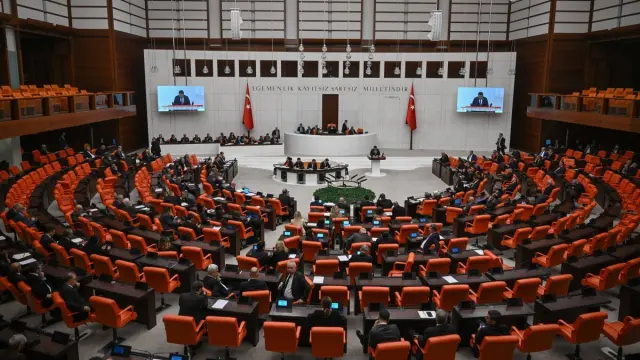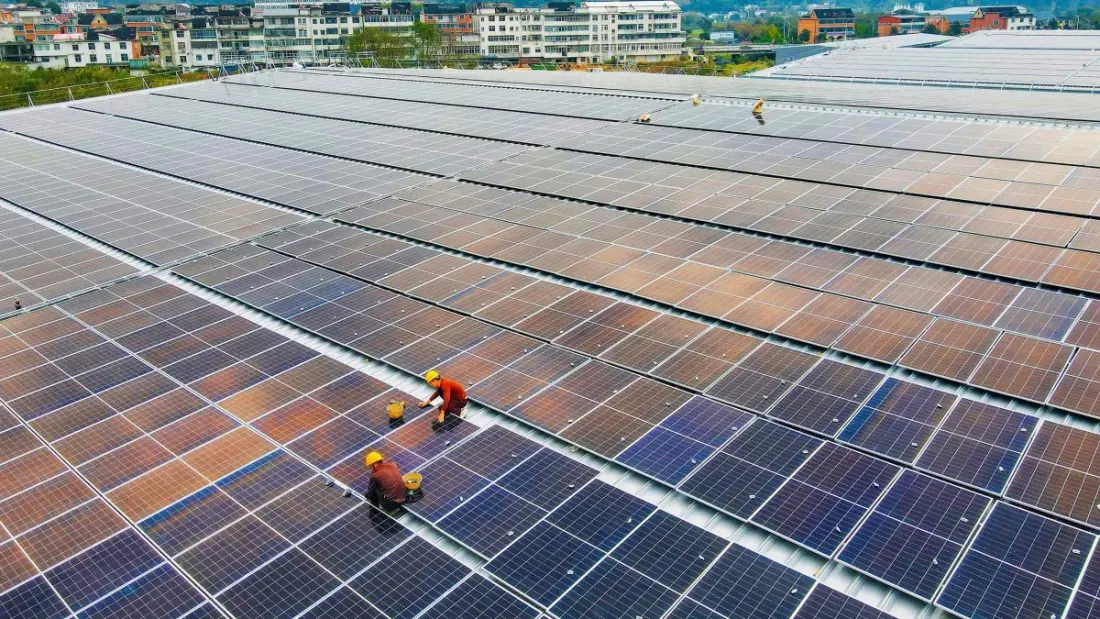
A new Global Rooftop Solar Declaration was launched at this year's UN climate talks, COP31, being co-hosted by Türkiye and Australia in the resort town of Antalya. The voluntary pledge sets a clear target: double the number of homes worldwide with rooftop solar panels from roughly 150 million today to at least 300 million by 2030.
So far, five countries have formally backed it — Bangladesh, Kenya, Nigeria, Vanuatu and Australia. Lawmakers from 21 more, including the UK, South Africa and Sri Lanka, have endorsed it, as has Indonesia's state-owned power company, Perusahaan Listrik Negara.
The pitch is framed around household budgets as much as emissions. Sonia Dunlop, CEO of the Global Solar Council, called rooftop solar "the future of affordable energy", arguing it shields ordinary families from future price shocks. That argument carries weight after a turbulent stretch: energy crises linked to the Russia-Ukraine war and the Iran war — which squeezed Southeast Asia after the Strait of Hormuz closure — have pushed governments and households alike toward renewables.
The sceptics' point is familiar. UN climate pledges have a track record of falling flat, and figures like Bruce Douglas of the Global Renewables Alliance stress that the declaration only counts if national policies follow: grid upgrades, subsidies for panels and batteries, clear rules for solar companies, and enough trained installers. Storage is another gap — experts warn that grids will curtail renewable output unless battery deployment keeps pace.
Host country Türkiye has some skin in the game. It is pushing for electricity, ideally from renewables, to reach 35% of global energy consumption by 2035, and solar and wind already supply nearly 23% of its own generation. The country is also home to one of Europe's largest solar farms.
Why does any of this matter to travellers? Because the places you visit are quietly rewiring. Renewables — driven largely by solar buildouts in China and India — generated more than a third of the world's electricity last year, overtaking coal for the first time. Rooftop solar, being decentralised, is especially suited to remote islands, mountain villages and disaster-recovery zones — exactly the kinds of destinations where reliable power has long been hit-and-miss. If the 2030 target lands, expect more off-grid guesthouses, resorts and rural homestays running on their own sunshine, and fewer diesel generators humming behind the scenes in places like Vanuatu or coastal Kenya.
The pledge is nonbinding, like most agreements at the talks. But advocates say interest has never been higher, and the direction of travel for energy — and for the destinations shaped by it — is unmistakable.