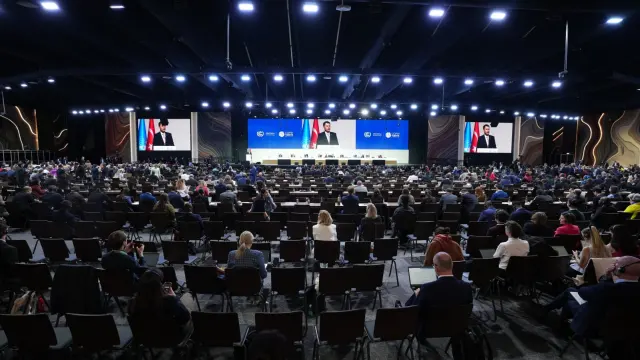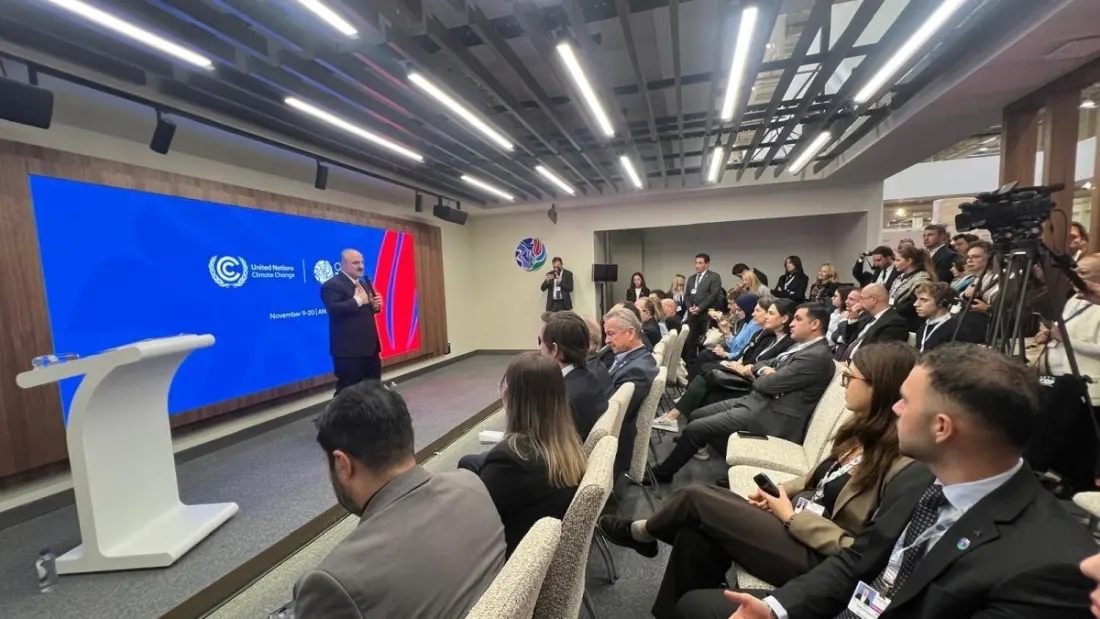
Antalya is currently hosting one of the biggest gatherings on the planet: COP31, the UN climate summit, with delegates from 196 countries, more than 100 world leaders and an expected crowd of over 90,000 participants. Türkiye has deployed 58,000 security personnel across Antalya and neighbouring provinces to keep the two-week event running smoothly.
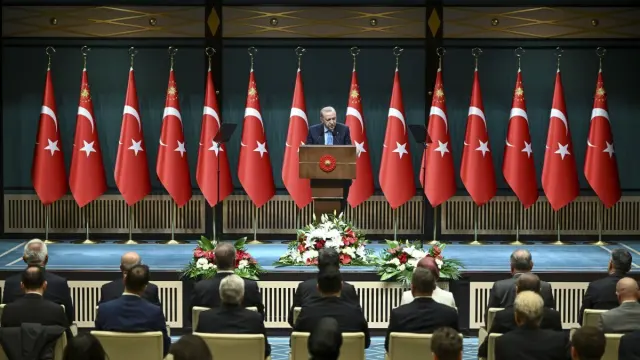
The headline pitch from the Turkish side came from Mustafa Varank, a former industry and technology minister who now chairs parliament's energy and industry committee. Speaking at the summit, he argued that decarbonising a country like Türkiye means fixing everything at once — transport, industry, buildings and city planning — not just swapping coal for renewables.
His argument runs like this: push electric vehicles and you cut fossil fuel imports; insulate homes properly and cities need less energy; digitalise infrastructure and consumption drops further. The catch is money. Türkiye's newly announced 2040 energy strategy calls for roughly $500 billion in investment, and Varank was blunt that neither Türkiye nor many other countries can fund that domestically. He framed COP31 as the moment to unlock international financing and partnerships.
Some of the numbers behind that strategy are already public. Energy Minister Alparslan Bayraktar has set targets of raising electrification's share of energy use to 36% and putting 20 million electric vehicles on Turkish roads by 2040. The domestic EV maker Togg is part of that plan, as is a nuclear buildout: Türkiye signed a memorandum with Korea Electric Power Corp. (KEPCO) in November 2025 and a financing agreement with Korea Eximbank in November 2026, and aims to have its first small modular reactor running in the first half of the 2030s.
Why should a traveller care? Mostly indirectly. The energy path Türkiye takes will shape how the country looks in a couple of decades — cleaner air in Istanbul and Ankara, quieter streets as EVs multiply, and a tourism heavyweight that markets itself increasingly on sustainability. And in the short term, if you're anywhere near Antalya during the summit, expect tightened security, road restrictions and packed hotels. For industry watchers and anyone following climate finance, though, this is the real story: whether a host country can turn a summit into actual funding. Publication of this item is set to 'traveller' stories only, so it likely won't run — the source piece is energy policy reporting, not a travel guide.
For now, Antalya gets its moment on the world stage, and Türkiye gets a platform to argue its $500 billion case.
Daily Sabah Travel