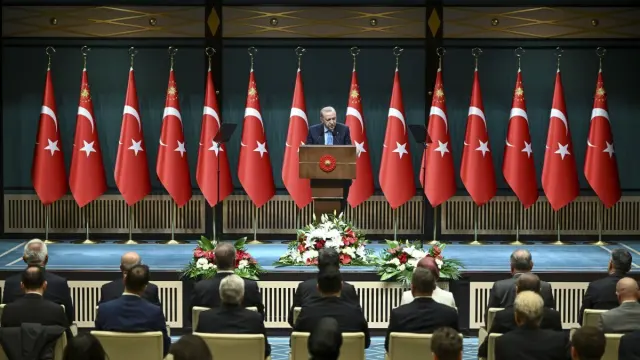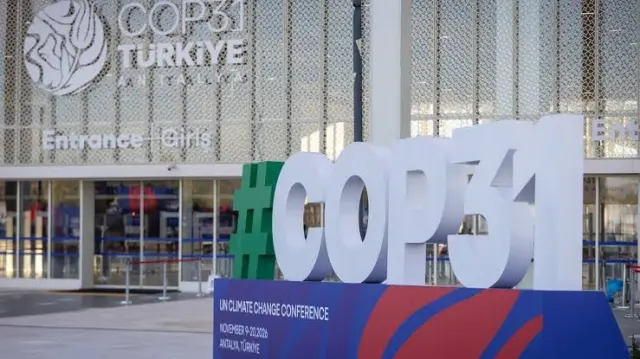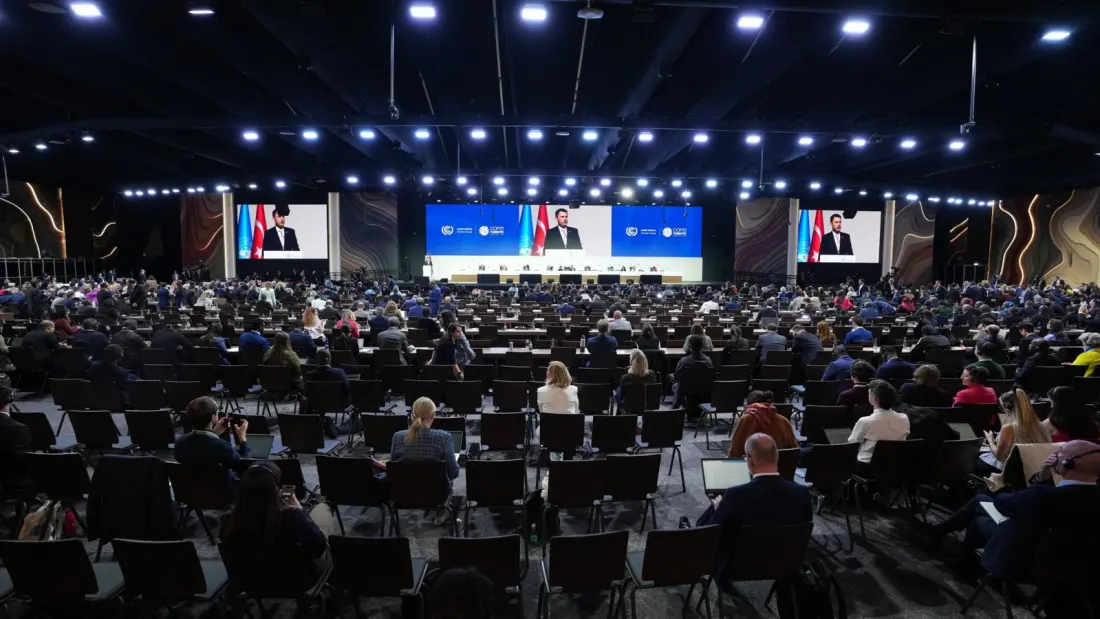
Antalya, Türkiye's Mediterranean holiday hub, is in the middle of its biggest security operation yet as it hosts the COP31 U.N. climate summit. Interior Minister Mustafa Çiftçi announced that 58,000 personnel have been mobilised across the city and surrounding provinces, structured as three concentric security rings: neighbouring provinces form the first, provinces beyond them the second, and border and port provinces the third.
On the ground, 26,000 police and gendarmerie officers are deployed, with the Coast Guard handling maritime and aerial coverage. Türkiye's disaster agency AFAD has stationed 1,000 staff in the city ready for fires, search-and-rescue work and even chemical, biological, radiological or nuclear incidents. Officials point to the smooth running of July's NATO summit as evidence the playbook works.
For anyone travelling to or around Antalya during the summit period, expect a heavier official presence than usual: road closures near summit venues, checkpoints between provinces, and possible delays along coastal routes. The city's airports and hotels remain open, but travellers should build in extra time for transfers and keep hotel and transport bookings flexible.
The summit also fits Antalya's growing role as a conference city — it has long hosted major diplomatic and business gatherings thanks to its airport capacity, resort infrastructure and autumn sunshine, when temperatures are still mild after the summer crowds thin out.
Why it matters to travellers: if you have a holiday booked in Antalya or the wider Turquoise Coast during the summit, you'll notice the operation — but it's designed to be invisible unless something goes wrong. Planning day trips inland or along the coast? Allow for security checks at provincial boundaries, and follow local authorities' guidance on any temporary closures. If you were thinking of visiting Antalya during the summit to soak up the atmosphere, expect restricted access zones around the venues rather than public events.
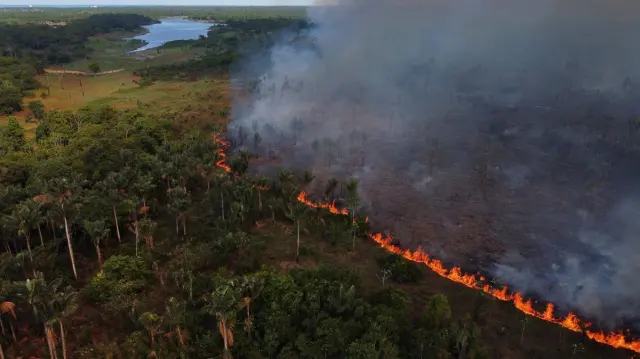
Beyond the logistics, the minister's framing is a reminder of how climate change is reshaping the Mediterranean itself — from extreme heat and wildfires to shifting tourism seasons — which is increasingly relevant to anyone planning a beach holiday in the region.