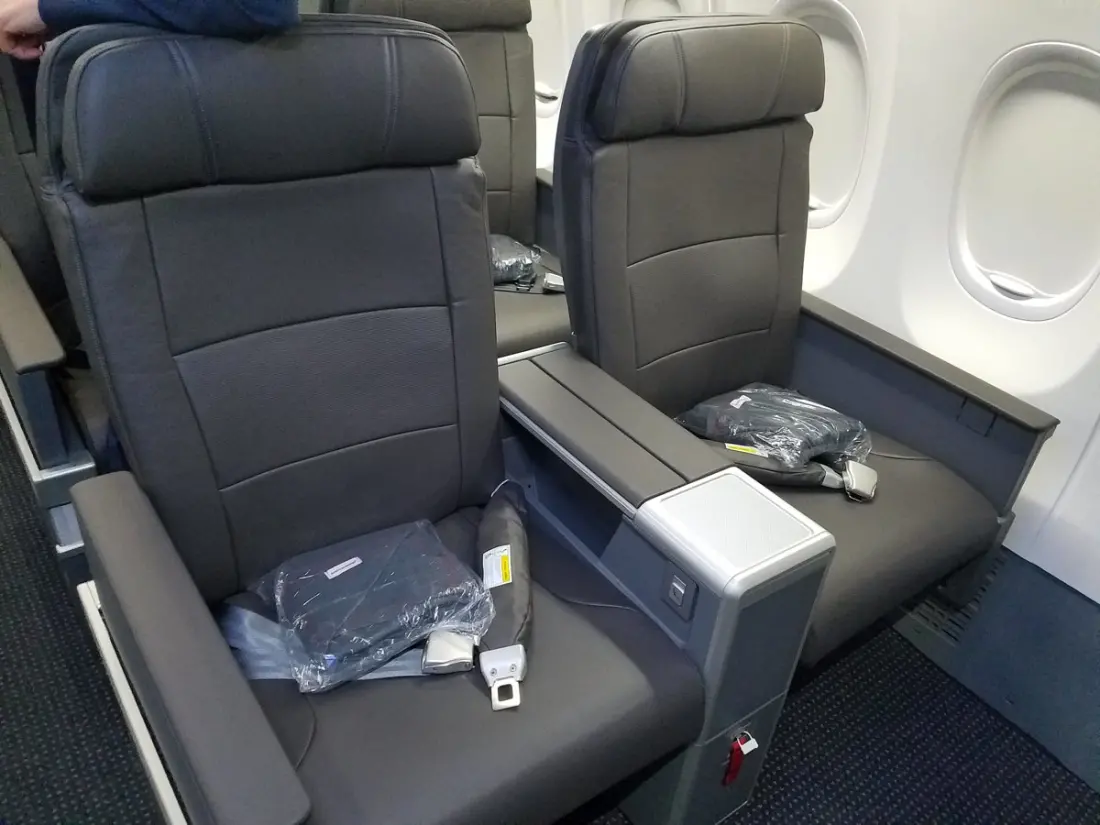
A top-tier American Airlines frequent flyer ran into a blunt new reality this week. The night before their flight, first class seats were still open — and American was selling them to any coach passenger for $91. Despite holding Executive Platinum status, the flyer hadn't been upgraded. They vented on social media, and American's official account replied with a request that caused the real stir: 'Please delete this from public view.'
Here's the mechanics. Complimentary upgrades for Executive Platinum members are supposed to clear starting 100 hours before departure. But airlines now only make a limited pool of seats available for free upgrades — and anything else goes to the highest bidder, even if that bidder is someone who flies once a year. So a customer worth tens of thousands of dollars annually in fares and card spend can lose out to a $91 impulse purchase.
Before assuming the airline wanted the tweet buried to hide an embarrassing policy, there's a more mundane explanation: the passenger's screenshot likely included their reservation number (PNR). Posting that publicly is genuinely risky — a bad actor could use it to social-engineer access to the booking. That said, the optics of telling an unhappy loyal customer to delete their complaint are terrible.
The bigger story is that complimentary upgrades are quietly dying across US aviation. American's own CEO, Robert Isom, has told investors that selling buy-ups is now lumped in with baggage fees as a revenue line. Twenty years ago, roughly 90% of domestic first class seats went to upgrades and awards; a decade ago about half. At Delta, only around 12% are now left for elite members — and many flights simply have no upgrades at all. United pioneered pitching paid upgrades to infrequent flyers by promising they'd leapfrog loyal customers. Frontier's new first class will only offer top members a shot at free upgrades if they buy a bundle.
The practical consequence: top-tier status is losing its main selling point. Elite status used to be worth chasing primarily for upgrades. Now the sweet spot is mid-tier status — priority check-in, boarding, free checked bags, and an extra-legroom economy seat. Airlines have also reframed those roomy economy seats as the 'upgrade,' which suits their economics just fine. There's a knock-on risk for the carriers, too: elites are the customers most likely to get and spend on co-branded credit cards, and status was the hook driving that loyalty.
For travellers, the takeaway is straightforward. Don't build your airline loyalty strategy around the promise of a first class upgrade — on most US carriers, it may simply never come. If you want to fly up front, treat paid buy-ups as the real mechanism and decide with a simple test: is the comfort worth the price for this flight length? For many short-haul trips, a paid exit-row aisle gets you most of what matters. And never post a screenshot of a booking that shows your reservation code.
View from the Wing