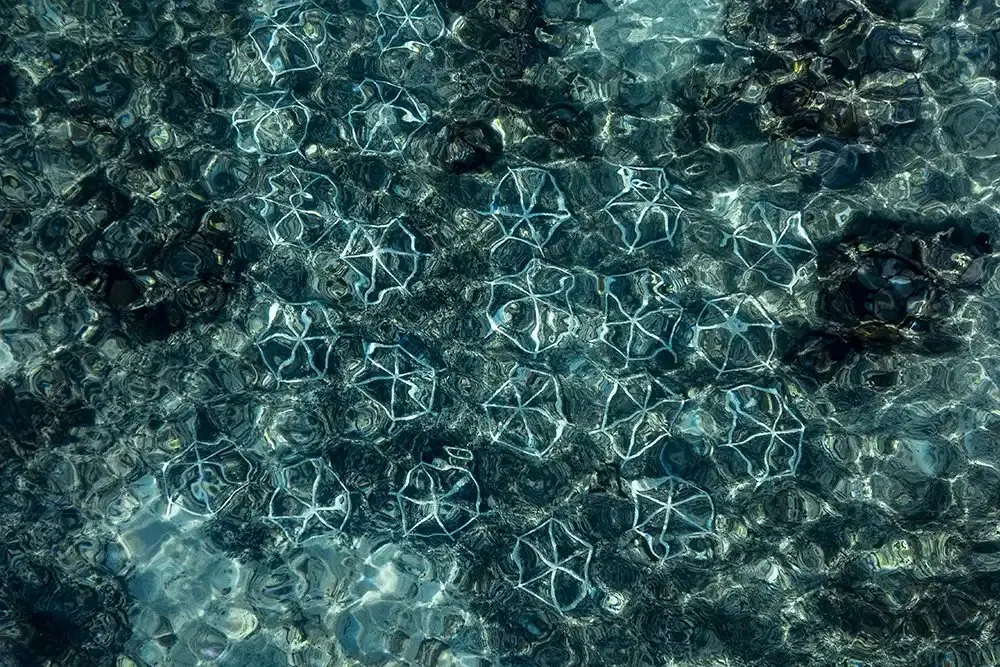
A reef restoration project off the Dominican Republic's southeast coast is scaling up. Sheba — yes, the cat food brand, which runs a global ocean programme — is expanding its Sheba Hope Grows initiative with the Dominican Foundation for Marine Studies (FUNDEMAR), after a pilot near the diving town of Bayahibe last year.
The numbers behind the expansion: 650 Reef Stars will be installed across new and existing sites, along with 19,500 coral-growing plugs that give coral larvae surfaces to settle on. Reef Stars are hexagonal steel frames coated with sand, developed by Mars Sustainable Solutions under its MARRS (Mars Assisted Reef Restoration System) method. Divers link the frames together over stretches of loose coral rubble, anchoring coral fragments to a stable base where they can grow back into reef structure.
The pilot phase ran in March 2025, when 100 Reef Stars went in at two sites near Bayahibe — Sombrero to the north and Cervicornis Boulevard to the south. More than 1,500 coral fragments were transplanted into them, and four local team members were trained to build and install the frames. The new phase continues that work and, importantly, leaves local conservationists with the equipment and skills to keep going independently.
FUNDEMAR is not a newcomer to this. The foundation has operated in Bayahibe since 2006, and its nurseries produce more than 18,000 growing surfaces each year across seven coral species. Pairing that local experience with the MARRS frame system is the point of the partnership, according to both sides. Mars's chief marine scientist David Smith argues that reef restoration needs approaches that work at the speed and scale ecosystems demand, while FUNDEMAR's CEO Rita Sellares frames the collaboration as merging science with community to build a lasting foundation for restoration.
Why should a traveller care? If you dive or snorkel in the Caribbean, the health of reefs like these determines what you actually see underwater. Bayahibe sits within reach of the East National Park (Parque Nacional del Este) reefs and is one of the Dominican Republic's better diving bases, with calmer, clearer water than the windward north coast. Restoration sites like Sombrero are exactly the kind of project that can slowly rebuild fish habitat after storms, bleaching and disease. Some operators in the area also offer conservation-focused dives, so visitors can occasionally witness or even assist with nursery maintenance — worth asking local dive shops about.
It's also a useful case study in how corporate-funded marine conservation works when it's done with local partners rather than as a fly-in photo op: trained locals, repeat visits, and infrastructure that stays. If you're planning a Caribbean trip with a purpose element, the DR's southeast coast is quietly becoming one of the more interesting places to see restoration in action.
Story reported by Dive Magazine.