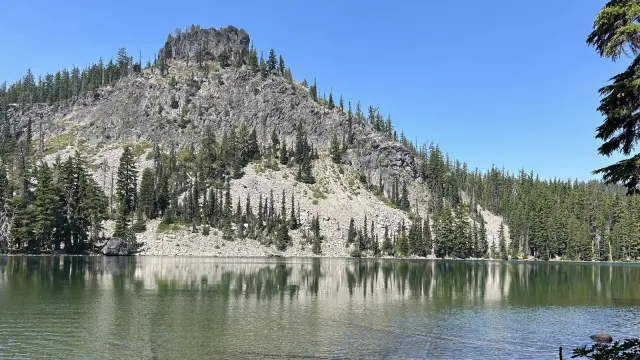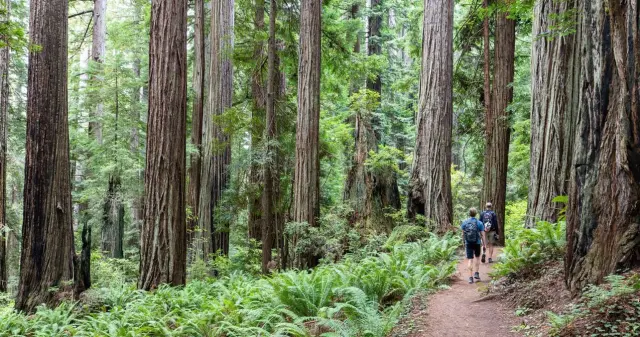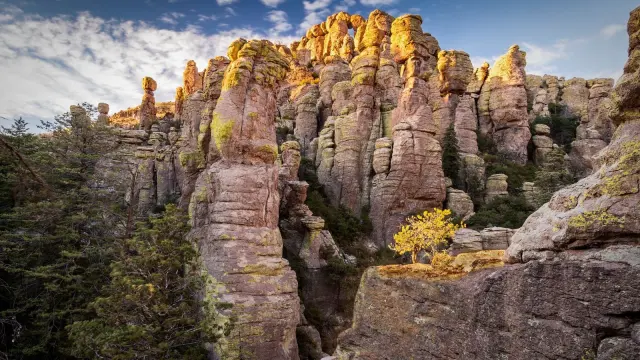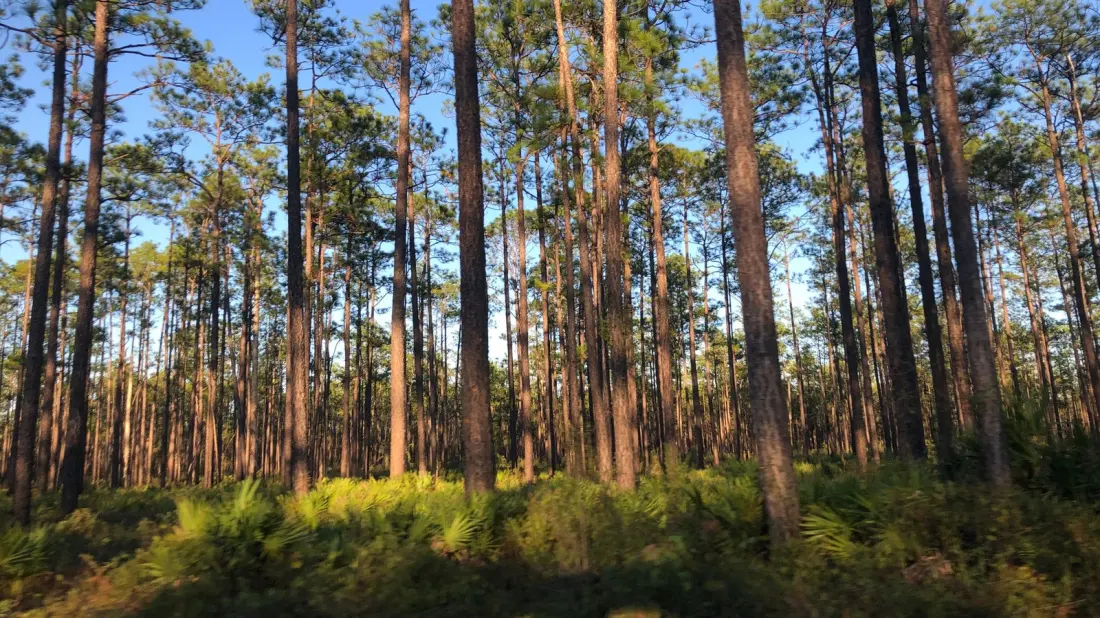
Skip the Panhandle's beach traffic and head inland. About 20 minutes from Florida's capital city sits the Apalachicola National Forest, the largest national forest in the state at more than 635,000 acres. Set aside in 1932 and partly built out by the Civilian Conservation Corps, it mixes dark swamps, spring-fed lakes, underwater caves and dense hardwood stands that read more like the Southern Appalachians than subtropical Gulf Coast country. The U.S. Forest Service calls it one of the most unique ecosystems in the world, and it's an easy add-on to any Tallahassee or Gulf beaches trip.
Fishing is the headline act. The Apalachicola River along the forest's western edge is said to hold the most diverse freshwater fish population in Florida — bass, bream, bluegill, stripers and catfish in good numbers and sizes. The Ochlockonee and Sopchoppy rivers are also reliable, with boat ramps for paddlers and plenty of bank access for anyone without a boat. A valid Florida fishing license is required. Spring-fed Silver Lake, roughly 12 miles west of downtown Tallahassee, is a convenient bet for largemouth bass, bream and catfish, with prime angling from spring through summer.
Three main lake recreation areas — Silver, Wright and Camel Lake — each have a sandy beach, plus restrooms, bathhouses, picnic tables and drinking water, so you can swim and picnic without roughing it. On foot, the easy 2.9-mile Sinkhole Trail Loop winds through karst terrain full of sinkholes, springs and small caves that hikers consistently call surprisingly scenic. The 8.5-mile Munson Hills Trail suits walkers and mountain bikers through longleaf pine, where you might spot gopher tortoises. Serious trekkers can pick up a roughly 78-mile, often wet stretch of the Florida National Scenic Trail inside the forest.
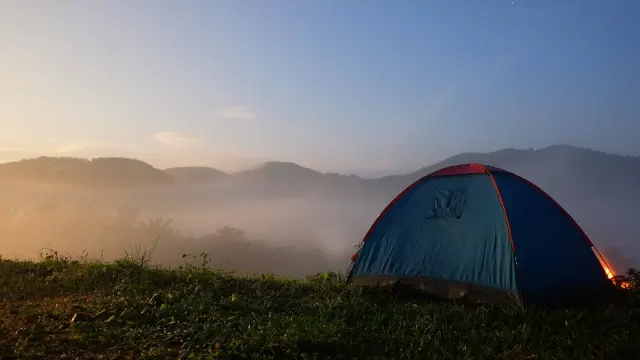
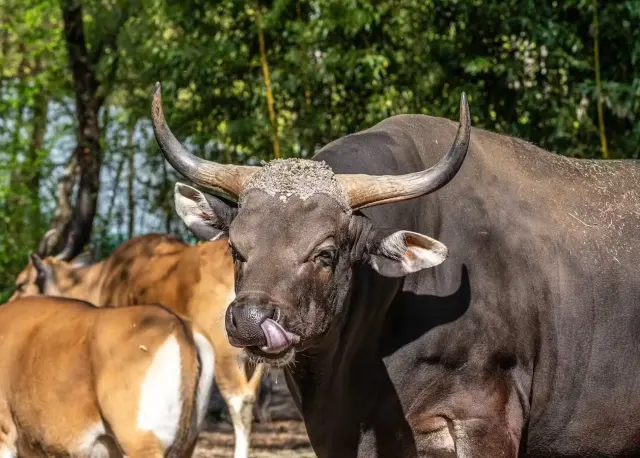
Camping covers every comfort level. Dispersed camping is free across undeveloped sections, while Camel Lake Campground offers 10 shaded sites with electrical hookups and Wright Lake Campground has 18 non-hookup sites, both with flush toilets and bathhouses. Wildlife is a constant presence — the forest supports one of the largest populations of the threatened red-cockaded woodpecker anywhere — and the dark skies make for excellent stargazing despite the proximity to a state capital.
Why it matters: this is a rare Florida destination that works year-round and costs almost nothing beyond a licence and a campsite fee. Spring and fall bring the most comfortable temperatures, though bug spray is non-negotiable in any season. It suits anglers, paddlers, budget campers and families wanting a beach-free Florida weekend, and it pairs neatly with the Panhandle's coastal towns. When you're done, the small city of Quincy nearby makes a quirky add-on thanks to its history as a "Coca-Cola town" and its modest arts scene.
Story based on reporting by Islands.