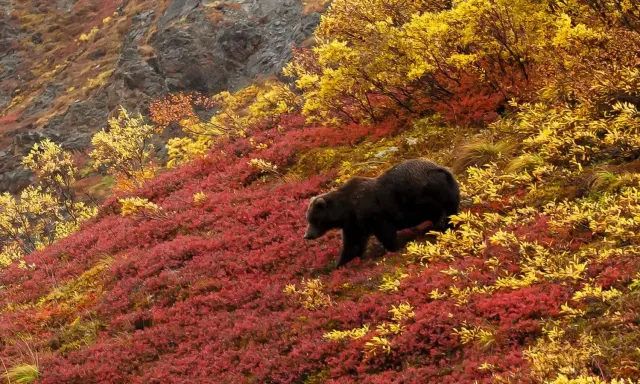
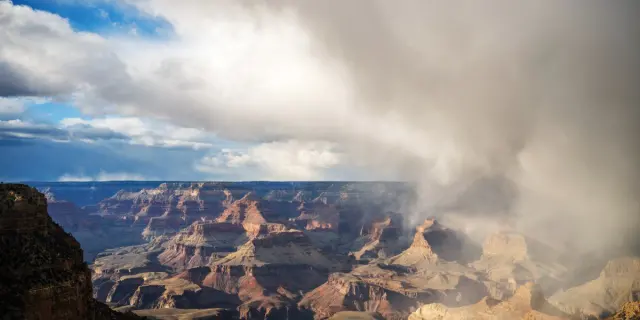
The 2026 Australian Geographic Nature Photographer of the Year awards have been announced, and the winning images offer one of the best visual guides to the wild corners of Australia, New Zealand, Antarctica and the New Guinea region — the so-called ANZANG region the competition has covered for 14 years in partnership with the South Australian Museum.
This year's edition drew 2,129 entries from 501 photographers across 17 countries, judged across 10 categories that range from animal behaviour and portraits to threatened species and human impact on nature. Now in its third decade, the competition has grown into one of the most respected natural history photography contests in the world, and its annual collection doubles as a rolling visual archive of the region's plants, animals and wild places.
What makes the 2026 edition interesting isn't just the imagery — it's the rules behind it. Organisers tightened the ethics around how photos are made. Entrants in the Animal Behaviour and Animals in Nature categories were reminded that using lures to attract animals is off limits, and that the disturbance caused in getting a shot must be kept to a minimum. The Threatened Species category goes further: photographers are asked to think carefully about disclosing locations, so that a celebrated image doesn't end up putting a vulnerable species at more risk. It's a quiet but meaningful shift — the frame you post online can have real-world consequences for the creature in it.
There's also a category called Our Impact, which invites images of both the good and the damage humans do to the natural world, and the competition as a whole leans into photography as advocacy. Judge and marine photographer Jake Wilton put it plainly: powerful nature photography matters not just for showing beauty, but for encouraging curiosity and a desire to protect the places and species we share the planet with. In a year when threatened species lists shifted and environmental pressures mounted across the region, the shortlist reads as both a celebration and a status report.
The awards also arrive at a moment when authenticity in nature imagery is under scrutiny, with AI-generated pictures increasingly muddying the waters. That makes a competition with strict ethical standards — real animals, real places, minimal interference — more valuable, whether you're a photographer planning your next trip or a traveller deciding which wild corners of the region deserve your time and footprint.
For holidaymakers, the shortlist is essentially a curated wish list: expect images from the reefs and forests of Australia, the Southern Ocean and Antarctica, and the islands of New Guinea, all captured by people who spent serious field time earning them. Even if you never raise a camera of your own, browsing the winners is a genuinely useful way to plan where to go — and a reminder of how to do it responsibly.