Three decades on from their founding, Istanbul's BaBa ZuLa are still refusing to sit in any genre box. The band started life in 1996 as a side project for the disbanded Anatolian rock group ZeN, with founders Levent Akman, Murat Ertel and Emre Onan later joined by Cosma Kirma, who took over from Periklis Ornelas in 2005. Their roots lie in Anatolian psychedelia — the same underground scene that gave the world acts like Altin Gun — but they've spent the years since stretching far beyond what a 'psychedelic band' is supposed to sound like.
Their live shows have included performance art, painting, poetry, dance and wild costumes. As Akman puts it on their website, each of their albums tells a different story. That appetite for reinvention has taken them around the world and into collaborations with an unlikely cast: dub pioneer Mad Professor, Sly Dunbar, Robbie Shakespeare, Asia Dub Foundation, Can, and members of Nick Cave's band. Their 2017 compilation XX gathers some of the highlights.
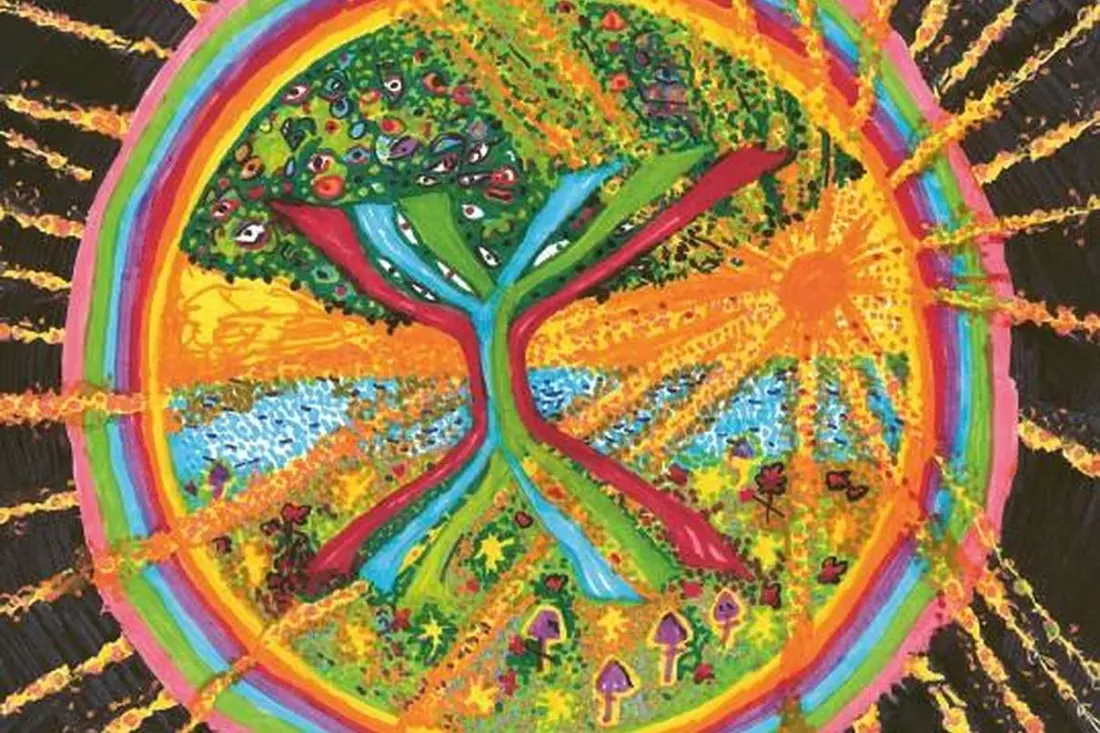
The constant is Murat Ertel's electric saz — a long-necked lute in the family of the Greek bouzouki — whose high-pitched shimmer still anchors their sound. Their new album XXX (out on Glitterbeat) adds a fresh layer: it's themed around ecology and deforestation, and the band frame it as standing with those who defend forests and lands under pressure. 'Now we give voice to nature,' Ertel explains.
Standout tracks make the record worth a listen for travellers drawn to Turkey's cultural crosscurrents. Opening cut The White-cketed Cat On The Balcony layers a slow, hypnotic saz intro over nature sounds and analogue electronics, before Akman's song about two cats who meet and seemingly fall in love. Sacred Olive Tree Halay Dance, a poem by Kustas Zeytin Hala, honours the olive tree across Mediterranean cultures, while Oto Kalarian reimagines a well-known West Coast rocker as a satire on tourism, privatisation and the commodification of public life. The political heart of the album is Power Does Not Run Out, built on the voice of 75-year-old Hatice Kocalar, a symbol of resistance to mining and deforestation in her village.
Why should a traveller care? Because BaBa ZuLa are one of the most vivid entry points into Istanbul's music scene — a city where Anatolian folk, dub, electronics and protest music collide. Their own description of themselves fits the spirit of the city: 'We like to call ourselves sound warriors. We want to give people energy and hope, even when the opponent seems stronger. Despite the serious topics, humour is always present in our music.'
Their advice to listeners is simple: this is an album that rewards multiple plays, and their approach to making music borrows generously from committed acts like Mexico's Los de Abajo. For anyone planning a trip to Istanbul or Anatolia and wanting a soundtrack that captures the place's layered, restless character, XXX is a good place to start. More information is at glitterbeat.com.