Singapore Airlines' nonstop flights between Singapore Changi and New York JFK clock in at around 18 to 19 hours and roughly 9,537 miles — the longest commercial flight in the world. Keeping an Airbus A350-900ULR in the air that long takes more than a working autopilot, and a recent breakdown of the crew's schedule shows just how much is happening behind the cockpit door.
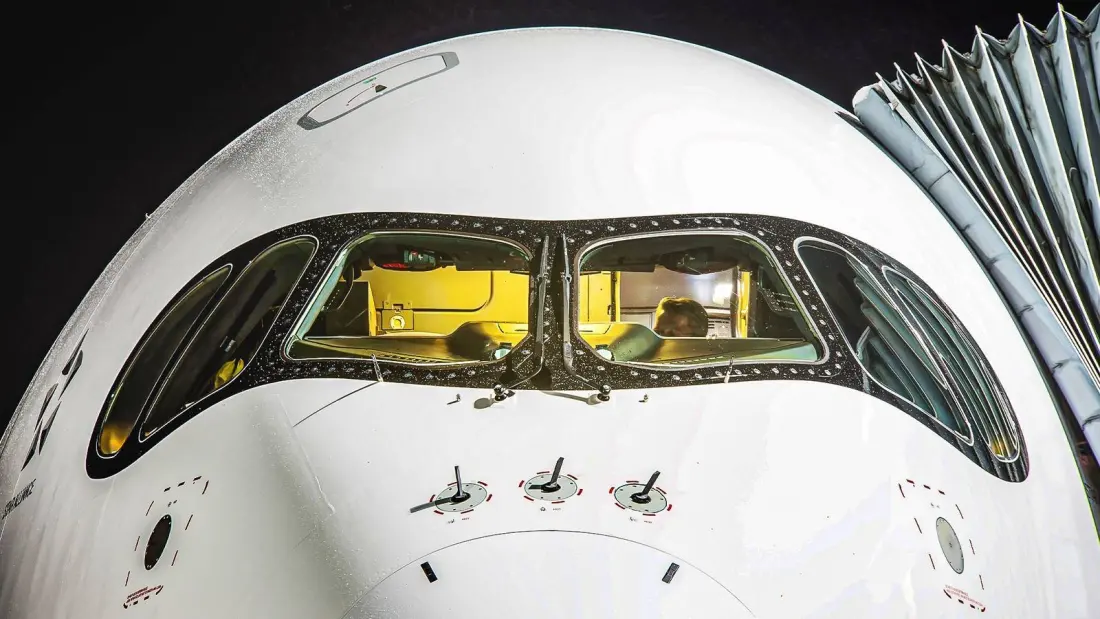
A two-pilot crew can't legally cover a flight this length, so four pilots are on board. Each gets two rest breaks — one of four hours and one of about 2.5 hours — in a dedicated bunk area above the front of the cabin, hidden behind a security door with a combination lock. The pilot rest compartment has two beds; cabin crew get a separate six-bunk space further back. Between naps, pilots cycle on and off the flight deck, with all four typically present for takeoff and landing.
The hour-by-hour rhythm looks like this: a high-workload departure from Singapore, then initial cruise with constant fuel, weather and radio checks. Around hour four, the reserve pilots take the middle stretch while the primary crew rests; the handoffs swap again mid-flight as the jet crosses remote Pacific airspace. From about hour 11, the incoming crew prepares for the arrival into American airspace, and the last 90 minutes are busy all over again — New York's congested airspace, landing, and taxi. As one pilot put it, the real fatigue comes from unbroken vigilance: six fuel tanks, four engine indicators, radar, three ATC regions, and alternate airports 1,500 miles apart.
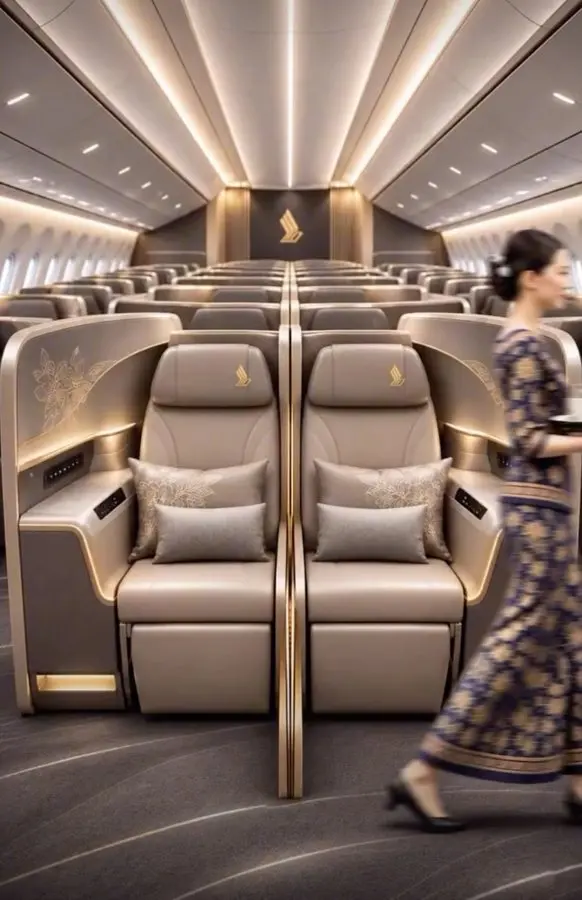
The aeroplane is a large part of the story. The A350-900ULR was built specially for Singapore Airlines, stretching the standard variant's range to 9,700 nautical miles with a 20-hour maximum flight time. To do it, seating drops to just 161 passengers — 67 business and 94 premium economy, no economy cabin — with a reconfigured 132-seat layout on the way. Spare seats, in effect, become fuel.
This model won't hold the crown for long. Qantas' Project Sunrise flights from Sydney to London will use an A350-1000ULR capable of 22 hours, with an extra 20,000-litre fuel tank and only 238 seats. Qantas is also studying circadian rhythms to help its four-pilot crews manage jet lag across up to 11 time zones — choreographing meals, lighting and rest.
Why should a traveller care? If you're booking Singapore Airlines' JFK service, you're flying on a jet deliberately configured for comfort over capacity, with crew who arrive at the other end properly rested — which matters for safety on a marathon flight. And knowing the same A350-900ULR also serves Los Angeles, San Francisco, Seattle, five European cities and Cape Town (the shortest ultra-long route, around 14 hours via Johannesburg) opens up other ways to try this aircraft. For aviation fans, seat on the upper deck away from the missing overhead bins and you may be right above the crew bunks.