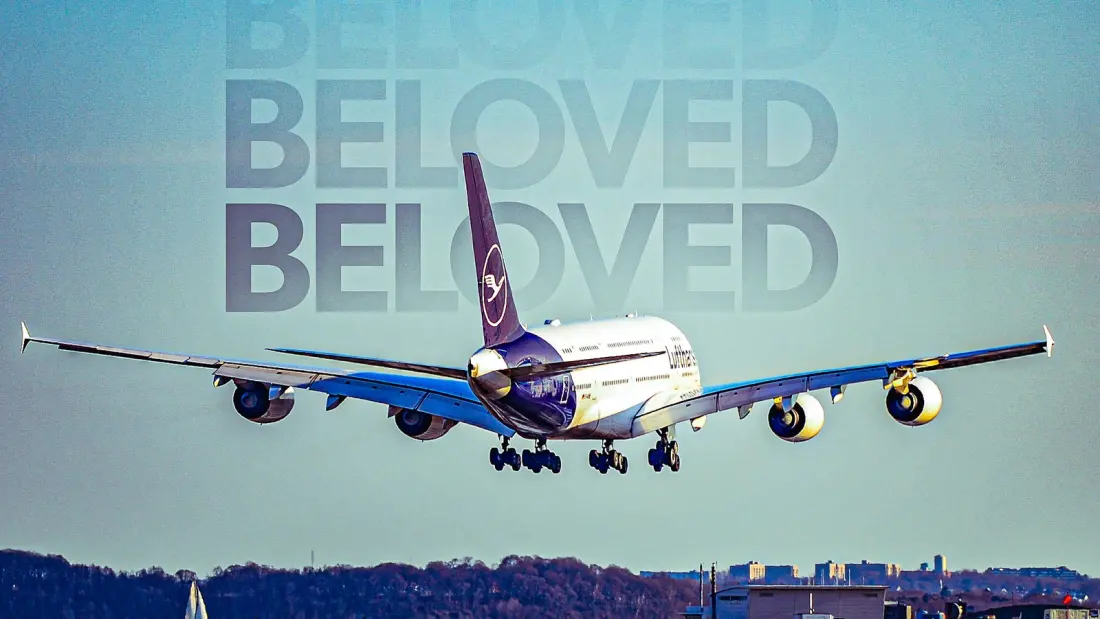
The Airbus A380 still has no true successor — and that is exactly the point. Airlines aren't buying a bigger plane to fill its shoes; they're splitting the superjumbo's mission among a new generation of long-range twinjets like the Airbus A350 and Boeing 787 and 777X families, which burn roughly 25% less fuel while flying the same distances. The result is a patchwork of strategies, and the differences between carriers say a lot about what your next long-haul flight will look like.
Qantas is moving fastest. Its remaining ten A380s will begin exiting the fleet in March 2028, with the last superjumbo flight expected that same year — driven by heavy maintenance costs and fuel volatility. Under 'Project Fysh' and 'Project Sunrise', it will take delivery of 24 A350-1000s (half configured for ultra-long-haul) plus 12 Boeing 787s. For passengers, the trade-off is stark: about half the seats per aircraft, but nonstop routes that cut up to four hours off trips like Sydney–London, eliminating the old Dubai layover entirely. The new A350s will even include a 'Wellbeing Zone' mid-cabin for stretching and self-serve snacks.
Emirates is betting the other way. President Tim Clark wants the active A380 fleet up to around 110 aircraft by the end of 2026 and plans to fly them into the early 2040s, backed by a $5 billion retrofit programme — over 100 aircraft already refurbished — and Starlink internet across all 232 in-service jets by mid-2027. Its long-term heir is the Boeing 777X, with 270 on order and first deliveries targeted for 2027, pending certification. Analysts expect the A380 to eventually become an Emirates-only operation sometime in the early-to-mid 2030s.
Qatar Airways illustrates the economics driving all this. Its premium-heavy A350-1000s carry just 327 passengers, with 46 private Qsuites up front — each suite using the floor space of roughly four economy seats. Premium fares run three to five times economy while taking only slightly more space, so airlines can match or beat revenue with fewer seats on board. Meanwhile, Lufthansa has reversed course and will retrofit its eight A380s (all consolidated at Munich) for service into the late 2030s, blaming 777X delays, and Korean Air — now saddled with twelve superjumbos after absorbing Asiana's six — has pushed retirement into the early 2030s because it simply can't afford to lose long-haul capacity.
For travellers, the practical takeaway is mixed. Expect fewer giant planes at mega-hubs and more point-to-point nonstops from secondary cities, plus noticeably better premium cabins as airlines chase high-yield seats. Economy passengers may face higher fares as capacity per flight shrinks, but Wi-Fi, entertainment and cabin refreshes are improving across the board. If you love the A380 — that quiet, roomy upper deck experience — fly it while you can: Qantas retires in 2028, and outside Emirates the clock is ticking everywhere.