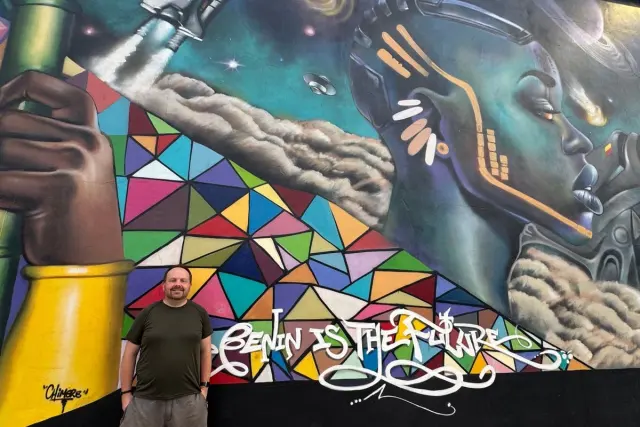
West Africa's quiet achiever just got loud. At the Africa Tourism Awards ceremony in London on Sunday 1 November 2026, Benin walked away with four top honours: Tourism Destination of the Year, Cultural Destination of the Year, Tourism Video of the Year, and Tourism Board of the Year, the latter awarded to the national body Benin Tourism. Few countries have dominated a single edition of these awards, which recognise destinations, businesses and individuals shaping tourism across the continent.
The wins cap a strong run of international praise. Lonely Planet listed Benin among its ten best countries to visit in 2024, AFAR put it in its "Where to Go in 2025" selection, the Benin Pavilion at Expo 2025 in Osaka took a Gold Award from the Bureau International des Expositions for exhibition and design, and in 2026 it was named Best International Destination at the Afrotourism Awards in Brazil.
Behind the trophies is a deliberate government push. Tourism has been made a pillar of national development, with money going into restoring heritage sites, building modern cultural facilities and upgrading infrastructure, paired with international marketing under the "Benin, a World of Wonders" brand. Sindé Chékété, Director General of Benin Tourism, framed the awards as recognition of those investments and a motivation to keep building the country's profile.
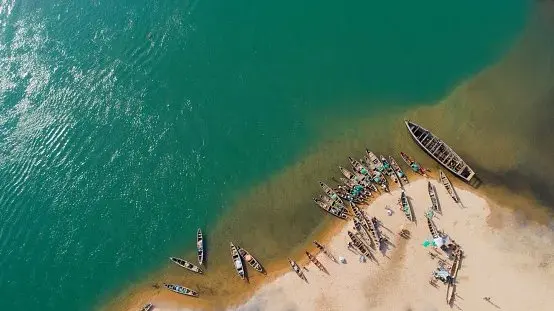
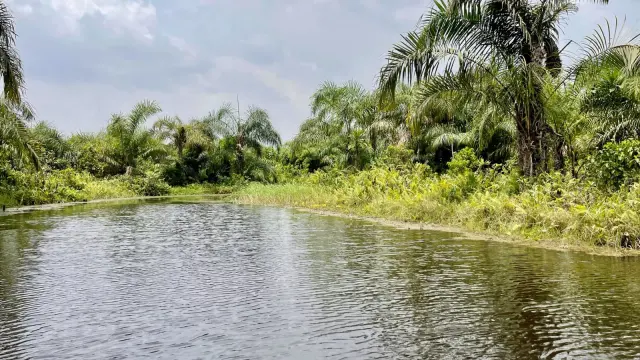
What's drawing the attention of travellers is the calendar of cultural events and the sheer variety packed into one small country. Ouidah hosts the Vodun Days festival, Porto-Novo throws its Festival of Masks, and Nikki celebrates the Gaani festivities. Add the stilt village of Ganvié on Lake Nokoué, the UNESCO-listed Royal Palaces of Abomey, the fortress-style Tata houses of the Batammariba people, the hills of Dassa, the Black River and the beaches of Grand-Popo, and you get a compact destination that mixes living tradition with genuinely varied scenery.
For holidaymakers, the takeaway is simple: Benin is moving from an insider's tip to a recognised headline destination, and it's still early enough that you can experience its festivals and heritage sites without crowds. If African culture, history and off-the-beaten-path travel appeal to you, this is the moment to put it on the map.