Bhutan has spent decades selling itself on a single idea: High Value, Low Volume tourism, backed by a hefty daily fee that keeps visitor numbers down and spending up. A widely read commentary in The Bhutanese by Dorji Dhradhul now argues that principle should extend far beyond tourism — into how the entire country makes a living. For anyone with Bhutan on their travel list, it's a useful window into where the country is heading.
The argument goes like this. With a tiny population, a small domestic market, tough mountain geography and high production costs, Bhutan will never out-compete mass manufacturing nations on volume. So instead of growing more chillies and apples, why not turn them into premium juices, ciders and cosmetics? Instead of chasing visitor numbers, design fewer but deeper cultural and wellness experiences. The writer's point is that the raw ingredients — textiles, traditional medicine, festivals, biodiversity, Buddhist heritage — already exist; what's missing is the imagination to convert them into distinctive, high-value products.
Several concrete developments back this up. The World Bank's 2026 Bhutan Development Update notes that agriculture employs roughly 55% of Bhutanese workers, and that shifting people from farm production into processing, logistics and food services could lift earnings significantly. Bhutan has also restarted its bid to join the World Trade Organization after 18 years — the fifth Working Party meeting took place in Geneva on 9 July 2026, the first since 2008. Add a national business regulatory reform drive and a new National Entrepreneurship Strategy 2026, and you get a country deliberately trying to make it easier for good ideas to become good businesses.
The most ambitious piece is Gelephu Mindfulness City, the planned urban project built around mindfulness, sustainable enterprise and Bhutanese spiritual identity. Its real test, the commentary suggests, is whether Bhutan can attract global capital and technology without diluting what makes it distinctive. Meanwhile, the National Statistics Bureau is developing Gross Ecosystem Product — a measure valuing nature's services, from carbon sequestration to water — extending the country's famous Gross National Happiness framework, now in its fiftieth year.
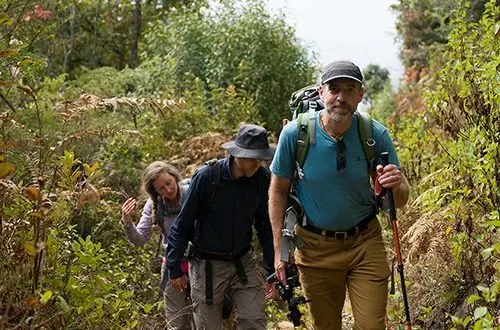
Why should travellers care? Because this philosophy shapes the trip itself. Expect fewer crowds, carefully curated cultural experiences, growing wellness offerings rooted in traditional medicine, and an emphasis on quality guides and locally made crafts rather than mass souvenirs. Bhutan is doubling down on being expensive, small-scale and meaningful — the opposite of overtourism. If you want to see a country actively resisting the volume game, the window is now, before projects like Gelephu mature.
Story via The Bhutanese