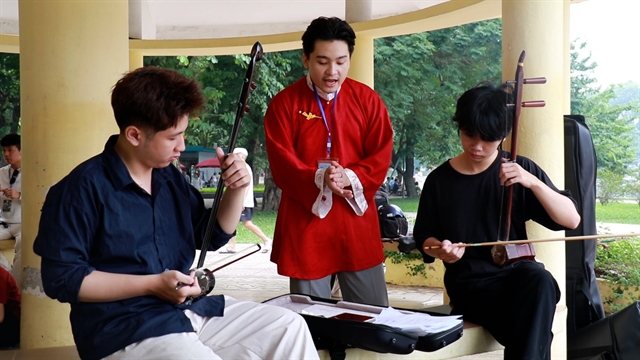
Ever fancied strumming a monochord or plucking a sixteen-string zither? In Vietnam, a programme called Cầm Ca is making that possible for anyone curious enough to show up. Its 'Music for Everyone' classes are free, open to all ages, and designed for absolute beginners — no musical background required.
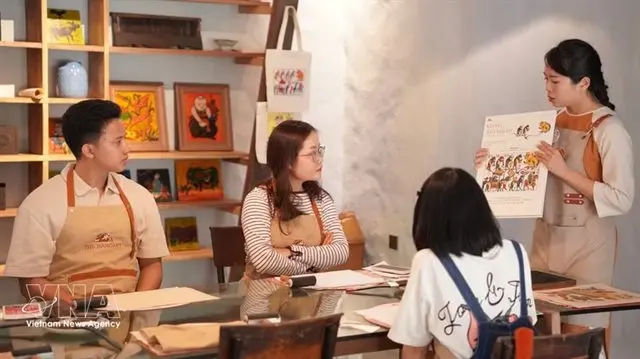
The idea is refreshingly simple: rather than treating traditional Vietnamese instruments as museum pieces, the classes invite people to pick one up and actually play it. Participants get hands-on time with folk instruments and learn their first Vietnamese folk songs from scratch. For travellers, that turns a cultural sightseeing trip into something far more memorable — you are not just watching a performance, you are learning how the music works with your own hands.
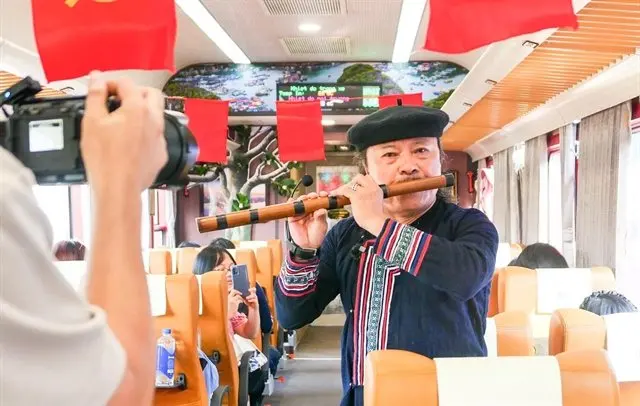
Traditional Vietnamese music has a distinctive sound built around instruments like the đàn tranh (a zither you pluck), the đàn bầu (a single-string instrument with a flexible pitch), bamboo flutes and a family of drums and gongs used in folk and ceremonial music. For most visitors, the closest they get is a dinner show or a water puppet performance. A class format flips that around: instead of admiring from a distance, you spend an afternoon learning how a melody is formed, how the strings are tuned, and how a simple folk song comes together.
The 'all ages, no experience' framing matters too. You do not need to read music, own an instrument or commit to a course. If you are passing through and want a cultural activity that goes beyond food tours and market walks, an open beginner session is an easy add-on to an itinerary. Families with children, retirees, solo travellers and groups all fit the bill — the whole point is that the door is open to everyone.
For travellers planning time in Vietnam, hands-on cultural workshops like this are becoming one of the more rewarding ways to engage with local life. A cooking class teaches you about the food; a music class teaches you something about how people here have expressed themselves for generations. You leave with a skill you can mention back home and, if you are lucky, a recording of your slightly wobbly first attempt at a Vietnamese folk tune.
If you are building a Vietnam itinerary, pair a music session with the classics: Hanoi's Old Quarter for street food and temple culture, Hoi An for lantern-lit evenings, and the Mekong Delta for river life. Adding an hour or two of traditional music to the mix gives the trip a personal thread most visitors miss.