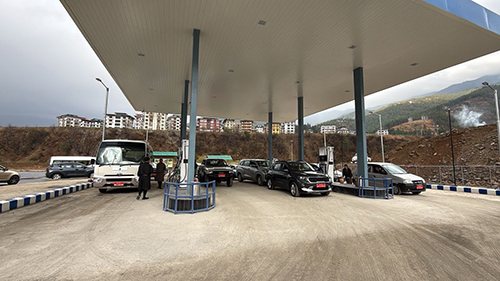
Bhutan runs almost entirely on hydropower, yet it is burning through more imported fuel than ever. The National Statistics Bureau's Annual Environmental Accounts Statistics 2025 show petrol imports jumped 38.74 percent and diesel 27.54 percent in 2025, with a total of roughly 345,073 kilolitres of oil brought in from India. Diesel made up the bulk at 245,657 kilolitres, petrol hit 99,416 kilolitres, and LPG imports edged up 6.78 percent to 9,587 metric tonnes.
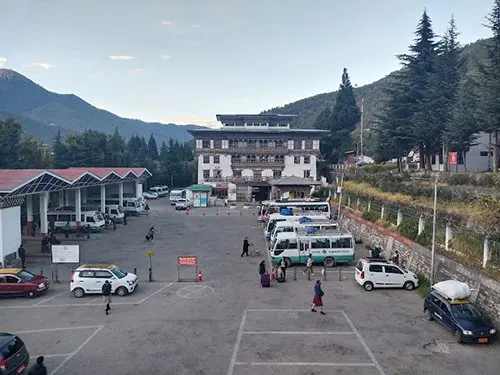
For visitors, the number that matters most is at the pump. Khandu, a truck driver who hauls sand and gravel daily between Wangdue Phodrang and Sephu Gewog, told The Bhutanese that filling his 80-litre diesel tank now costs Nu 8,720, up from Nu 7,200 — an extra Nu 1,520 every day. Since virtually all of Bhutan's fuel is imported from India, prices there track regional oil markets closely, and anyone planning a self-drive trip or hiring a car with a driver should budget for noticeably higher transport costs than a couple of years ago.
The story behind the statistics is an interesting one for travellers too. Bhutan generates abundant clean electricity, but its roads are still dominated by combustion engines — steep mountain routes and long distances between valleys mean heavy fuel consumption. Electric vehicles are the obvious fix, and the government has pushed EV adoption in Thimphu, yet locals like Dhendup from Khasadrapchu say high purchase prices, scarce spare parts and thin charging networks keep them on petrol. In practice, that means charging points outside the capital and main corridors remain patchy, so EV rentals are best suited to short Thimphu–Paro itineraries rather than long cross-country drives.
There's also a quirk in the data: fuel re-exports surged 84.71 percent, a figure even the report flags as needing clarification. Whatever the explanation, it underlines how central India–Bhutan fuel flows are to the country's economy — and how exposed pump prices are to shifts beyond its borders.
Why should a holidaymaker care? If you're touring Bhutan by road — the usual way, given limited domestic flights — fuel costs feed directly into taxi fares, guided car hire and tour package prices. Expect drivers to be feeling the squeeze, particularly those running heavy vehicles on routes like Wangdue Phodrang to central Bhutan. The upside: your trip dollars go further for the local economy, and travelling by bus or sharing rides softens both cost and carbon. For now, Bhutan remains one of the world's most intriguing carbon-conscious destinations — just one where the tank, not the plug, still rules the road.