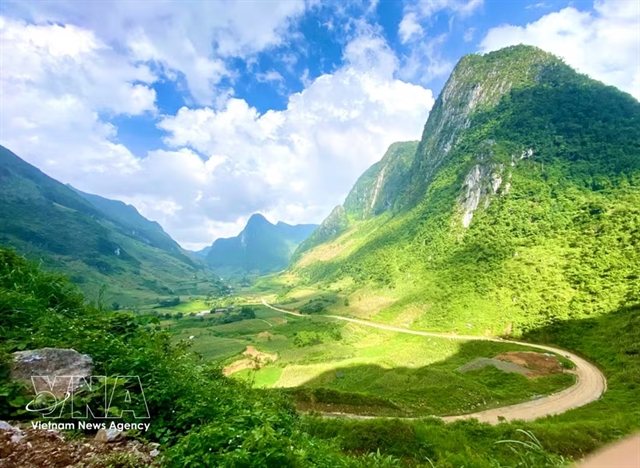
In Vietnam's far north, a geopark is proving that heritage and hustling can coexist. Non Nước Cao Bằng, awarded UNESCO Global Geopark status in 2018, has kept its Green Card through two consecutive revalidations and now sits in a network of 241 geoparks across 51 countries. More importantly for travellers, it has quietly become one of Southeast Asia's better community tourism stories.
The geology alone justifies the trip. The area preserves close to 500 million years of Earth's history — fossils, ancient rock formations, caves and karst country that one Vietnamese geoscientist describes as an open book on the region's natural past. The headline sights include Bản Giốc Waterfall on the Chinese border, Ngườm Ngao Cave, Thang Hen Lake and Mắt Thần Mountain, layered with the living cultures of the Tày, Nùng, Mông and Dao ethnic groups and revolutionary-era sites such as Pắc Bó.
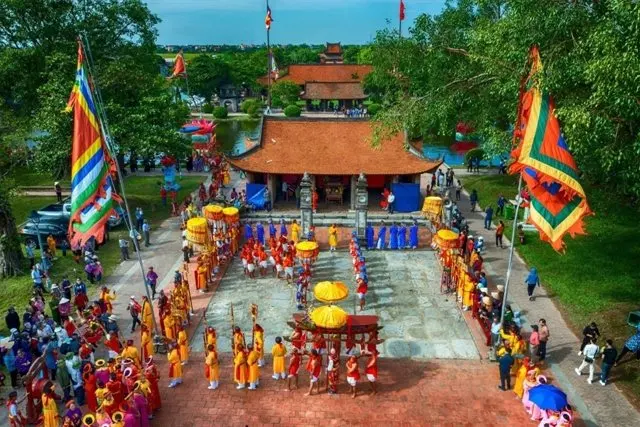
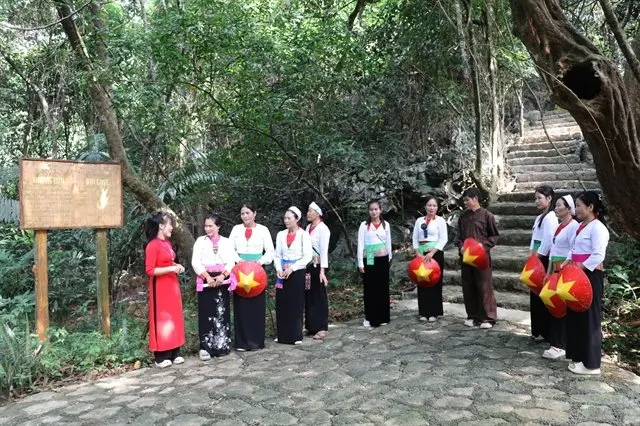
What's changed since the UNESCO listing is how visitors experience it. Five themed routes now work the province like an open-air museum, with local communities running the shows. In villages such as Khuổi Ky, Pác Rằng and Khuổi Khon, families have moved into homestays, guiding and food services, lifting household tourism incomes three- to five-fold. Craft traditions have found new life as experiences: a homestay owner in Phja Thắp village pairs accommodation with incense-making sessions, while artisan Nông Thị Liêm earns a steady VNĐ10–20 million (roughly US$386–772) a month from handmade-paper workshops developed with the geopark board since 2020.
The numbers back it up. Visitor arrivals grew 20–30% annually outside the pandemic years, and in 2025 the province welcomed more than 2.5 million people — up from 1.54 million in 2019. International arrivals topped 97,000, a jump of over 121% year on year, while tourism revenue passed VNĐ2.4 trillion. Officials have also promoted the destination abroad, including at the Asia Pacific Geoparks Network symposium in Malaysia, and run a bilingual Cao Bằng Geopark channel profiling more than 130 heritage sites.
For travellers, the appeal is a mountain province that still feels undiscovered compared with Hà Giang or Sapa, where your homestay fee genuinely funds the family hosting you. Expect waterfalls, cave systems, motorbike-friendly loops and food you won't find elsewhere — plus the satisfaction of visiting a place where tourism is deliberately spread to remote villages rather than concentrated in one town. New routes and better services are on the way, so going now means seeing it before the crowds fully arrive.