If you're planning a road trip through Bhutan, here's something worth factoring in: fuel prices there are being propped up by the state, and the cost of doing so is climbing fast. New figures show the government has spent Nu 2.169 billion keeping pump prices down between 22 March and 15 September 2026, under its National Fuel Price Smoothening Framework (NFPSF).
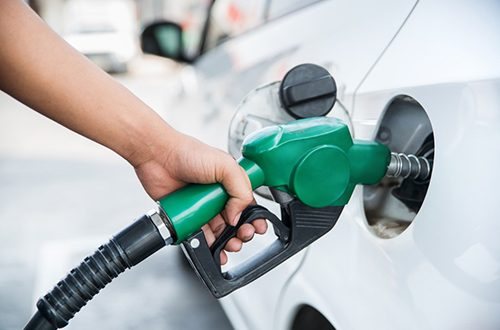
The subsidy is sizeable at the pump. Diesel in Thimphu now retails at Nu 106.89 per litre — up from Nu 104.50 — but without government support it would cost Nu 127.39. That's a discount of Nu 20.50 per litre, quietly absorbed by the exchequer every time someone fills up. Petrol has also risen sharply, jumping from Nu 99.17 to Nu 105.56 per litre.
What does this mean if you're visiting? Bhutan is a mountainous country where distances look short on the map but take hours on winding roads, and most travellers get around by private vehicle with a driver and guide, or on organised tours where fuel costs are baked into the price. Rising pump prices feed into tour rates, taxi fares and the cost of any self-drive arrangements, so a bump at the pump in Thimphu eventually shows up in your itinerary quote.
The wider picture is a small country shielding its citizens — and its transport economy — from global oil volatility. The NFPSF exists precisely to smooth out spikes rather than pass them straight to consumers, and the Nu 2.169 bn spent in under six months shows how costly global price swings become for a landlocked Himalayan nation that imports all of its fuel. Travellers who know Bhutan from a few years ago will notice prices at the pump are higher than they were, even with the support in place.
For holidaymakers, the practical takeaway is simple: budget a little more for overland travel, especially on longer routes between Thimphu, Paro, Punakha and Phuentsholing, and expect operators to adjust prices if fuel costs keep moving. The scenery hasn't changed — the passes, prayer flags and cliffside monasteries are all still there — but getting between them costs more this year.