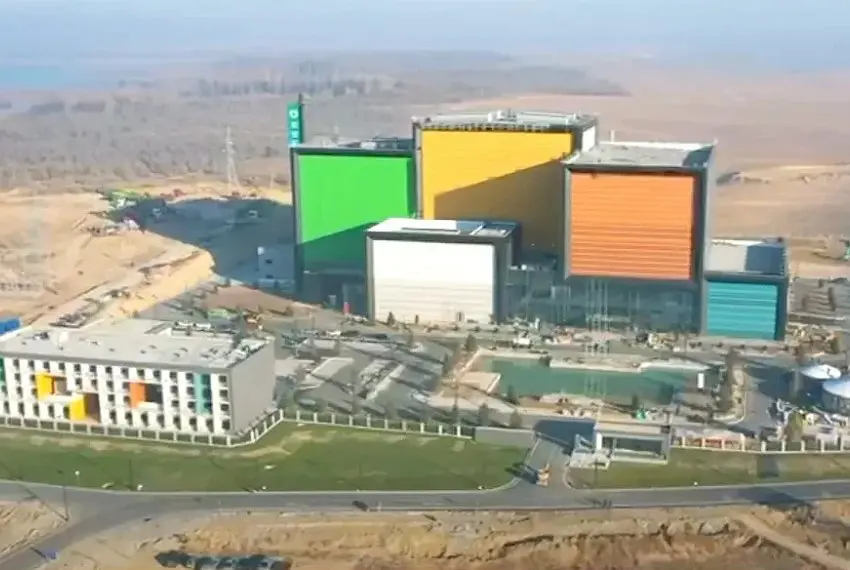
Bishkek is doubling down on turning rubbish into power. The Kyrgyz capital's City Hall has announced plans for a second waste-to-energy plant, which will process municipal solid waste and generate electricity with a capacity of 60 megawatts — twice the output of the existing facility.
The new plant would be able to handle up to 2,000 tonnes of waste a day, compared with the 1,000 to 1,200 tonnes the current facility processes daily. City Hall has not yet revealed how much the project will cost or when it might be completed, so treat the timeline as open-ended for now.
The announcement came as officials summed up the first year of the original plant, which only began receiving waste in November 2025 and was formally inaugurated on December 27, 2025, at a ceremony attended by President Sadyr Japarov. In 2025-2026 it took in more than 401,000 tonnes of waste and produced nearly 188 million kilowatt-hours of electricity — a solid start for a facility of this kind in Central Asia.
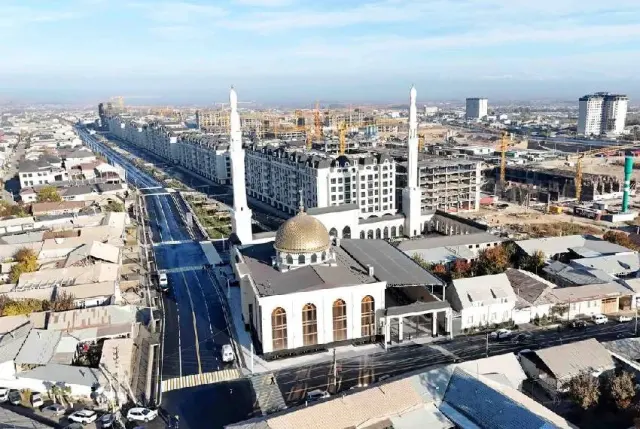
Why does this matter beyond the engineering? Bishkek has long struggled with air quality and waste management, particularly in winter when coal heating and open dumping combine to make the air among the region's worst. City Hall expects the second plant to boost processing capacity, cut the volume of waste going to the city's sanitary landfill, and reduce the overall environmental footprint of the capital. For travellers, that translates into a city that should gradually look — and smell — more pleasant, with less dependence on landfill sites on the outskirts.
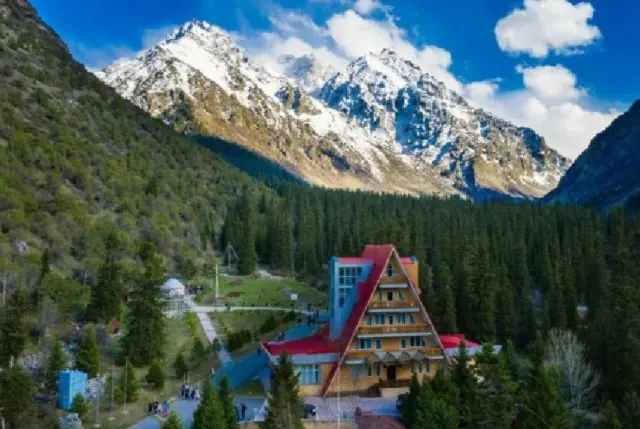
Bishkek is the usual gateway for visitors heading to Kyrgyzstan's big draws: the alpine lakes, horse-trekking routes and walnut forests of the Tian Shan. Most travellers pass through the city on the way to Song-Kul, Issyk-Kul or the Ala Archa gorge just south of town. Cleaner, better-managed urban infrastructure is a quiet but genuine quality-of-life improvement for anyone basing themselves here between mountain trips.
The practical takeaway for now: no dates, no budget and no construction details have been released, so this is an announcement rather than a finished project. Watch this space if you're planning a trip in the next few years — but don't let it change your itinerary today. The first plant is up and running, the second is on paper, and Kyrgyzstan's mountains remain as compelling as ever.