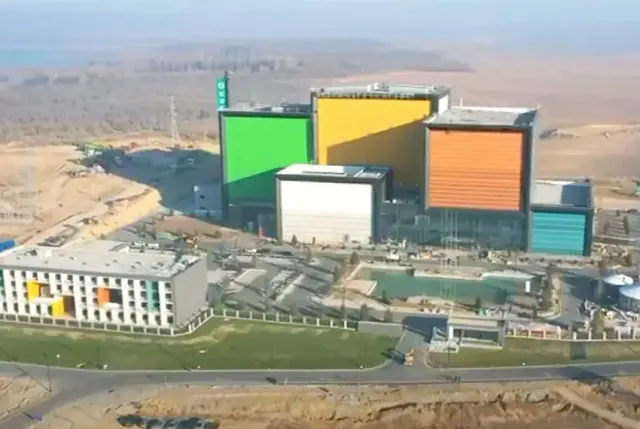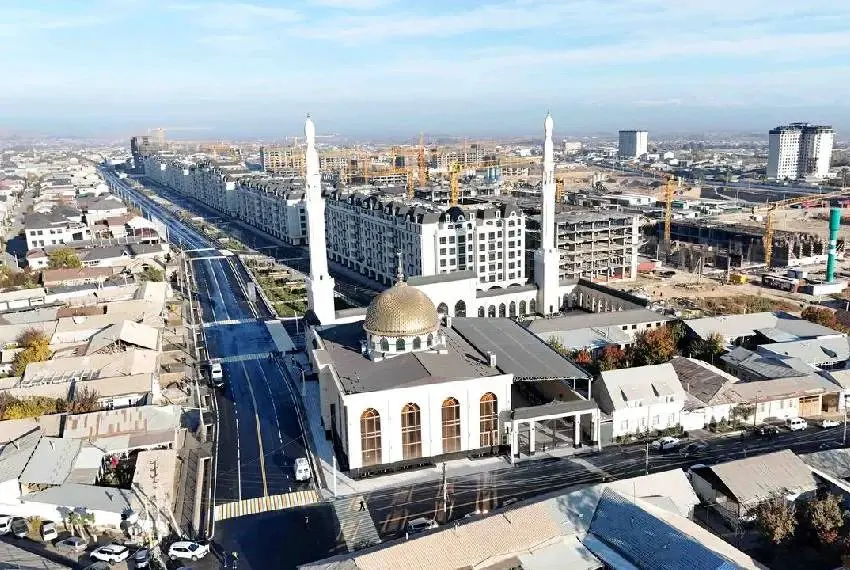
Kyrgyzstan's Cabinet of Ministers has approved a land swap in the country's southern hub of Osh that will see 17.2 hectares of irrigated farmland reclassified for the construction of Ene-Sai City, a multifunctional residential complex. Cabinet Chairman Adylbek Kasymaliev signed the resolution, which converts three plots — half a hectare state-owned, the rest municipal — from agricultural to settlement land.
The deal comes with strings attached. The developer has three years to develop an equal area of new irrigated farmland, at its own expense, to be added to the State Agricultural Land Fund — a standard offset designed to stop the city simply eating its productive land. If the plots sit idle or get used for anything other than the designated project, Osh City Hall is obliged to restore them to their original condition.
The detail most relevant to visitors concerns Sulaiman-Too, the sacred mountain that rises above the city and is the region's standout UNESCO World Heritage Site. Before any construction starts, the project must complete an impact assessment on the mountain and its protected zones, and get sign-off from the UNESCO World Heritage Centre. If anything historically significant turns up mid-build, work must pause for preservation measures, with archaeologists brought in to monitor. Osh City Hall, meanwhile, has to draw up the urban planning documents and compensate for agricultural losses.
For travellers, none of this changes much in the short term — the resolution only takes effect ten days after signing, and the build will take years. But it's a signal of how fast Osh is growing, and a reminder that the mountain at the heart of the city remains protected ground. Anyone planning a trip to southern Kyrgyzstan should still put Sulaiman-Too at the top of the list: its rock petroglyphs, shrines and mosque draw pilgrims and hikers alike, and the views over the city are among the best in the country. Osh is also the usual jumping-off point for the Pamir Highway into Tajikistan and the alpine country around the Alay valley.
If anything, the developments may eventually add housing, hotels and services to what is already Kyrgyzstan's liveliest southern city, famous for its sprawling bazaar — said to be over 2,000 years old — and its distinctive Central Asian mix of markets, mosques and mountains.