Kazakhstan is having a winter that doesn't behave like winter. November temperatures in the country's two biggest cities ran well above normal, and the official long-range forecast suggests the mild pattern will hold through the season — good news for anyone eyeing Astana or Almaty without the usual deep-freeze kit.
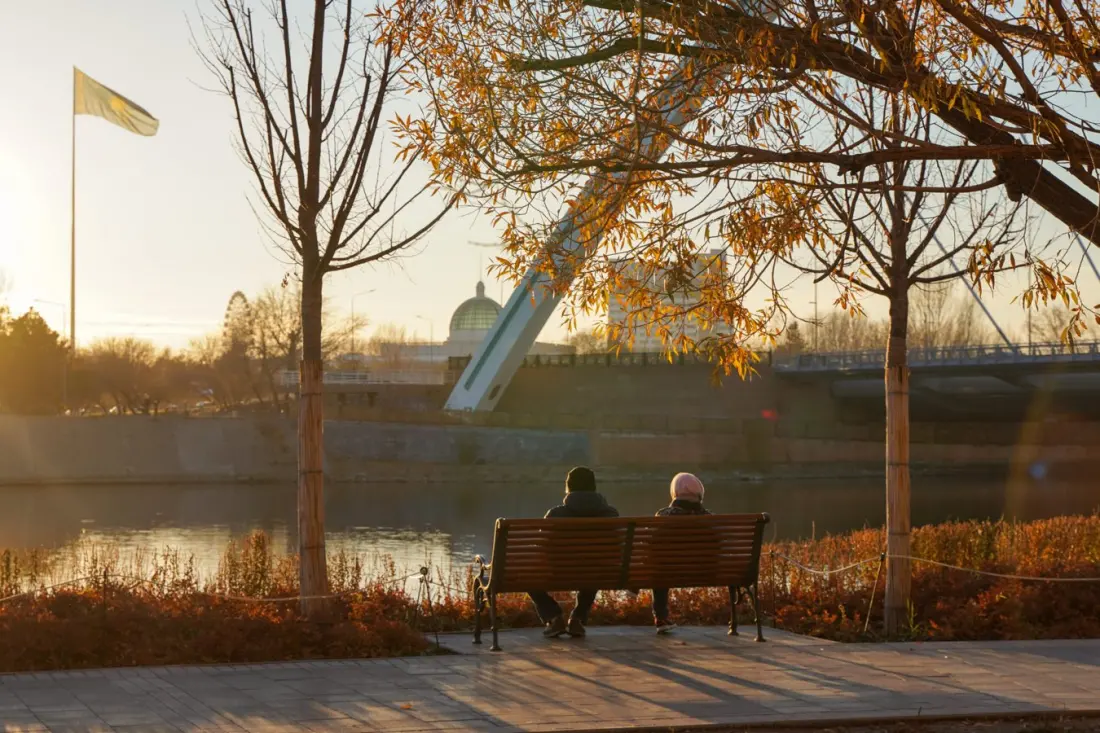
In the first 20 days of November, Astana averaged 1.3°C, about five degrees above its climatic norm, while Almaty averaged 7.2°C, 3.1 degrees above normal. Daily records fell too: Astana hit 13.5°C on November 6, and Almaty reached a spring-like 22.3°C on November 9.
Climate experts at the Center for Ecology and Climate Monitoring point to two drivers. Warm air flowing in from Iran and the Arabian Peninsula pushed into northern Kazakhstan, while Arctic cold masses largely stayed put. Layered on top is the long-term warming trend: since 1950, average November temperatures in Astana have risen 0.63°C per decade, and in Almaty 0.52°C per decade. For context, November 2025 was the warmest on record nationwide, running 8.74 degrees above the norm, with monthly records broken at 193 weather stations.
Kazhydromet's preliminary winter outlook expects more of the same through 2026-2027: December up to two degrees warmer than average, January one to two degrees warmer, and February one to three degrees warmer. Some regions should also see above-average precipitation in December and February, and El Niño may shuffle precipitation patterns in the south and southeast through winter and spring. The forecast is provisional — actual conditions could differ.
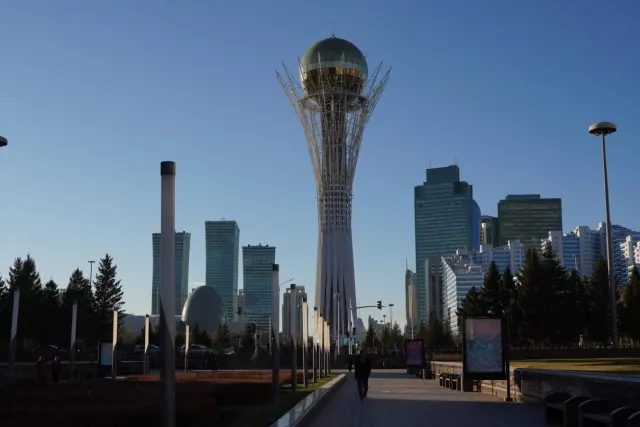
Why does this matter for travellers? Kazakhstan in winter can be brutal, with Astana regularly dropping below -20°C. A milder season makes the country far more approachable: strolling Astana's futuristic architecture, exploring Almaty's markets and mountain viewpoints, or riding the央企 — or just the cable cars — without factoring in dangerous wind chill. It's also a reminder to pack in layers; a warm winter still means cold snaps are possible, and Almaty's nearby ski resorts around Shymbulak rely on snow that may be less reliable in warmer years. Anyone planning a ski-focused trip should watch conditions closely rather than assume a classic powder season.
In short: if you've been curious about Central Asia's most accessible destination but put off by its fearsome winters, this season's forecast opens a rare, softer window. Just book flexible plans and check the updated Kazhydromet outlook closer to departure.