Some aircraft become icons; others become footnotes. Boeing's 737-900 sits firmly in the second camp, and its story is a tidy lesson in how an airplane can be bigger without being better.
The 737-900 entered service with Alaska Airlines in May 2001 as the longest member of Boeing's Next Generation narrowbody family, stretching the popular 737-800 to 42.1 metres. Boeing's pitch was straightforward: more capacity on busy routes while keeping the crew, maintenance and training commonality that airlines loved about the 737. In practice, the jet fell between two stools.
The core problem was seating. Because Boeing kept the -800's door and overwing exit arrangement, regulations capped the -900 at 189 passengers - exactly the same maximum as the shorter 737-800. A low-cost carrier squeezing out maximum density gained nothing by switching, since the extra fuselage length bought layout flexibility but no additional revenue seats. Range disappointed too: fuel capacity was unchanged at 6,875 US gallons, and the heavier airframe actually gave the -900 slightly less range than the -800 (2,700 versus 2,800 nautical miles).
Airbus made the whole proposition harder to sell. The A321, a purpose-designed stretch of the A320, carried more passengers with better range, and it went on to sell thousands of units across its generations. The original -900 managed just 52 deliveries to a small circle of airlines - Alaska, KLM, Korean Air, Shenzhen Airlines, Jet Airways and Continental (whose fleet passed to United after the merger). Alaska used it sensibly on West Coast trunk routes from Seattle to Anchorage, Phoenix, Las Vegas, Los Angeles and San Diego, but a handful of loyal operators could not sustain a variant commercially.
Boeing's fix came with the 737-900ER, which first flew in September 2006 and launched with Lion Air in 2007. A pair of extra exit doors behind the wings and a redesigned rear pressure bulkhead lifted maximum certification to 220 seats, while optional auxiliary fuel tanks, winglets and a higher takeoff weight added up to roughly 500 nautical miles of extra range. The results speak plainly: 505 ERs delivered, nearly ten times the original's total.
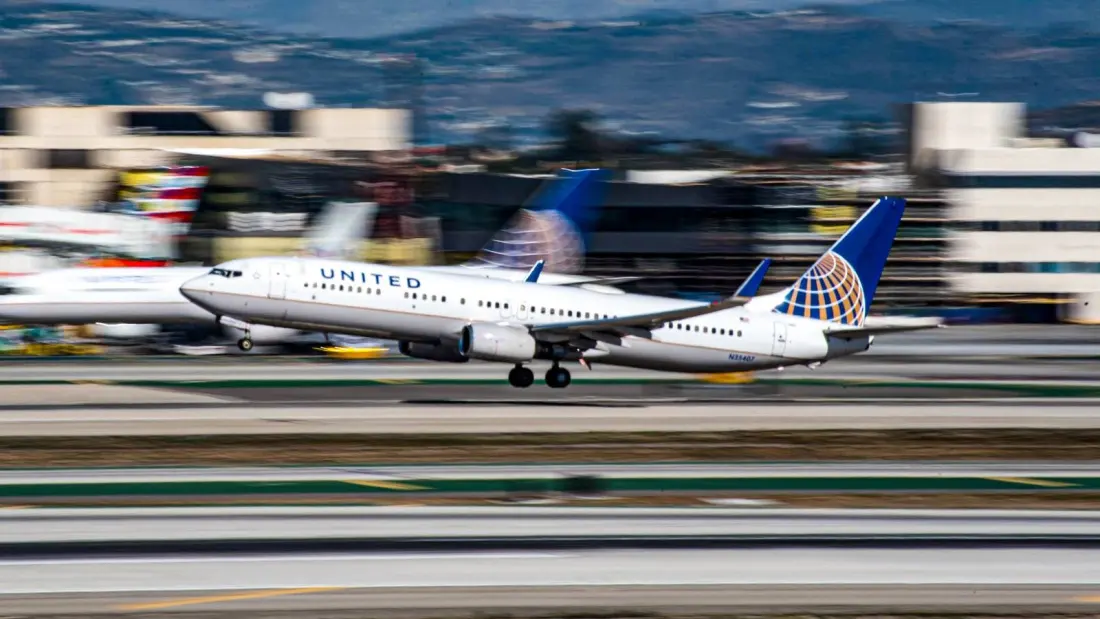
Why does this matter to travellers? It explains fleet quirks you'll notice when booking - why a United 737-900 feels roomier on a transcontinental hop, or why the -900ER became a workhorse for Southeast Asian low-cost carriers like Lion Air. It's also a reminder that aircraft selection shapes your onboard experience more than you might think. For aviation fans, spotting one of the remaining 29 original -900s in service with United, Korean Air, KLM or Jin Air is a small bit of rare plane-watching trivia.
The -900 wasn't a bad airplane - just a longer one that didn't offer airlines a single compelling reason to buy it over the -800 or the A321. Sometimes size really is just size.