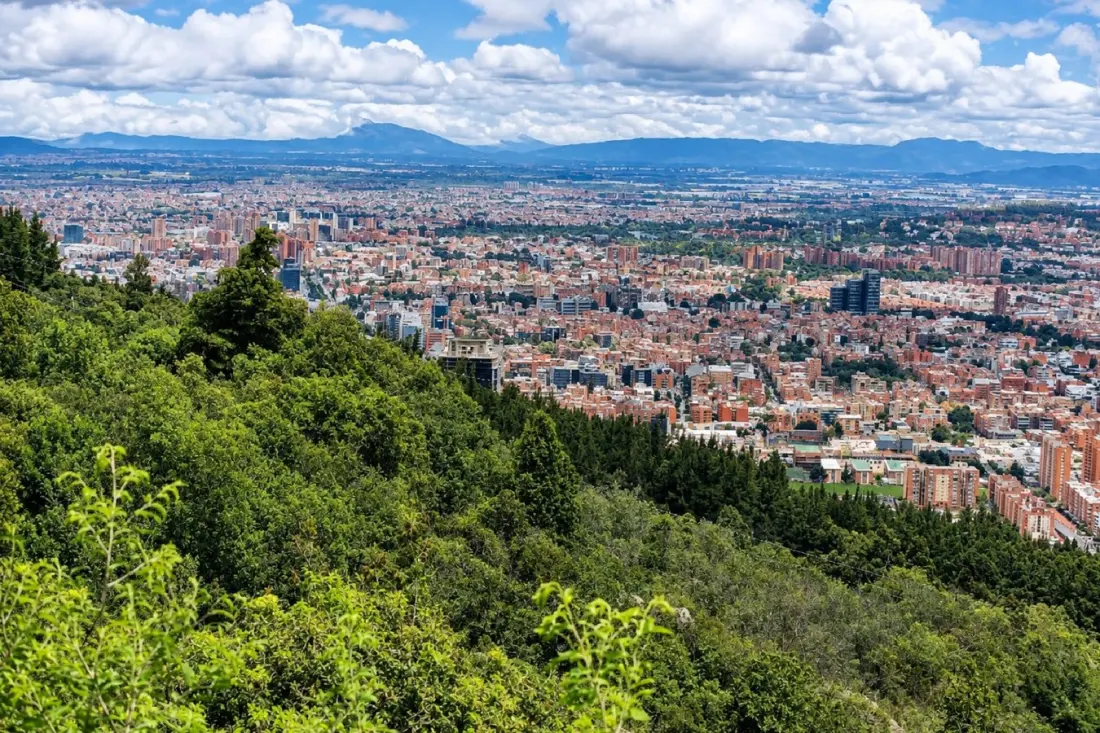
Bogota has activated a Phase 1 environmental alert covering several southwestern districts, after monitoring stations logged fair-or-worse air quality for 36 straight hours. The affected areas are Kennedy, Arborizadora, Puente Aranda and Patio Bonito, and the trigger is a spike in PM10 — fine particulate matter small enough to slip deep into the respiratory tract when inhaled.
The causes are a familiar mix of urban and regional factors: dust from traffic, construction sites and industry, plus smoke drifting in from fires as far away as Venezuela, the Orinoquia region and the Amazon. Weak winds and cold early-morning temperatures made things worse by letting pollutants sit close to the ground instead of dispersing.
City authorities have rolled out temporary industrial restrictions to cut emissions. Boilers and other equipment running on solid or liquid fuels must shut down between 6:00 a.m. and 3:00 p.m., a rule that could extend into the following week Monday to Saturday. Factories must keep emissions control systems running, suspend maintenance that would take them offline, and are banned from switching to dirtier backup fuels — a gas-fired boiler, for instance, cannot flip to diesel or coal while the alert lasts. The city is also stepping up factory inspections and roadside checks on vehicles.
The alert stays in place until monitoring stations record low or moderate pollution levels for 36 consecutive hours, so its duration depends on weather and wind conditions.
For visitors, the practical takeaway is modest but real. Children under five, people over 60, pregnant women and anyone with respiratory or cardiovascular conditions are advised to limit outdoor exertion in the alert zones. Travellers staying or doing business in Kennedy, Puente Aranda or the other affected districts should skip intense outdoor exercise, avoid busy roads, construction sites and industrial areas, and consider a face mask if passing through them. Indoors, it helps to steer clear of candles, incense and wood-burning stoves, and to clean with damp cloths rather than dry sweeping. Anyone experiencing breathing difficulty, chest pain or persistent fever should seek medical care promptly; in small children, rapid breathing or refusal to eat are warning signs. Reducing private car use or ride-sharing is also encouraged until conditions improve.
None of this makes Bogota off-limits — Phase 1 alerts are precautionary and usually lifted within days. But if your trip falls during a pollution episode, especially in the city's southwest, it's worth checking the District Secretariat of Environment's updates and shifting running routes or long walks to greener northern areas of the city until the air clears.