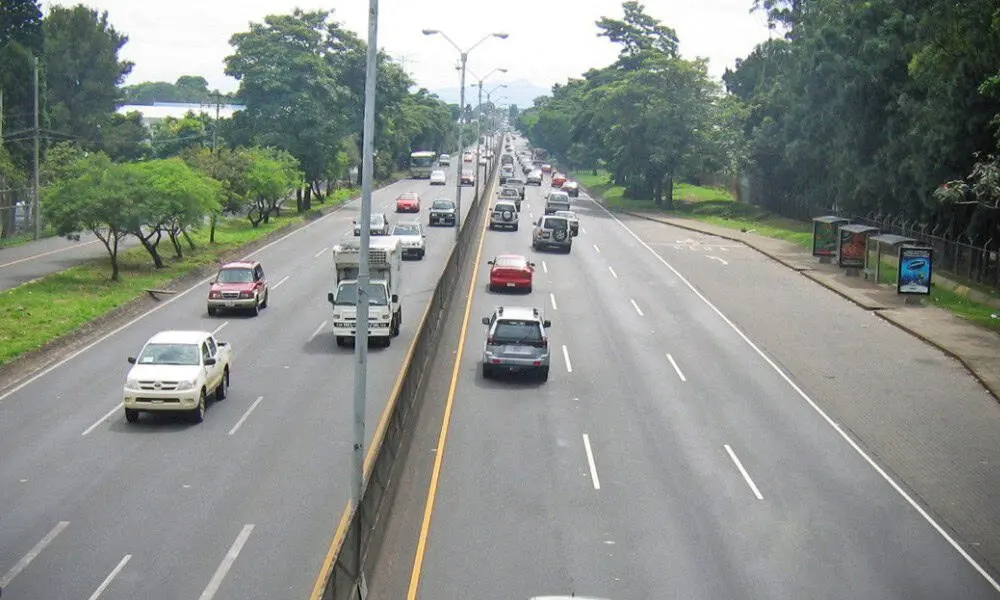
If you drive Route 1 between La Uruca and La Garita in Costa Rica's Central Valley, the State of the Nation 2026 report has a sobering number for you: about 907 hours lost to congestion each year. That's 38 full days of sitting in traffic, and it costs a typical weekday commuter around 1.69 million colones (roughly $3,780) annually in wasted time and vehicle costs — more than a fifth of gross income. Back in 2019 the figure was closer to 15.9%, so the problem is getting measurably worse.
The numbers behind that headline are striking. Drivers on that stretch add around 216 minutes a day — 57 minutes in the morning, 112 in the afternoon, plus a 23-minute cushion each way just in case. The Circunvalación beltway between Zapote and Calle Blancos is less punishing at about 26 extra minutes daily, roughly $490 a year in losses. Both roads were widened in recent years, but economist Luis Vargas, who authored the report, found the relief was short-lived: congestion dipped during the works and the pandemic, then climbed back above 2019 levels by 2025. Around 110,000 vehicles use the Route 1 corridor, a figure projected to grow up to 7% by 2032.
The government has responded with promises. In a national broadcast, President Laura Fernández pledged a record public works budget of about $1.23 billion for 2027, blaming past administrations for delayed decisions. Public Works Minister Efraím Zeledón said work on the central section of the San José–San Ramón highway expansion starts in 2027 — earthworks, drainage and a bridge over the Cañuela River — with the Coyola interchange beginning in February. The finished project, he claimed, will cut more than 40 minutes off trips for people in the western Central Valley, though no supporting data was presented, and four new tolls are planned.
Also on the list: finishing the Barranca–Limonal highway widening in 2027, replacing 10 roundabouts with overpasses between Guápiles and Limón, and publishing a tender for a long-promised metropolitan train in early 2027 — with no route, cost or financing model attached yet.
For travellers, why care? Anyone renting a car in Costa Rica will likely touch Route 1 or the Circunvalación when arriving, connecting between San José and the Pacific beaches, or heading to La Fortuna. These corridors are the arteries of any self-drive itinerary, so the announced works could eventually mean faster transfers — but with construction starting in 2027, expect temporary delays before the promised savings arrive. If your trip falls during the roadworks phase, factor extra buffer time into any drive out of San José, especially on weekday mornings and afternoons when commuter traffic peaks.
The deeper takeaway from the report is that roads alone won't solve this. Vargas argues congestion needs public transport, better urban planning and a smaller vehicle fleet alongside infrastructure — a reminder that even a well-funded fix has limits.