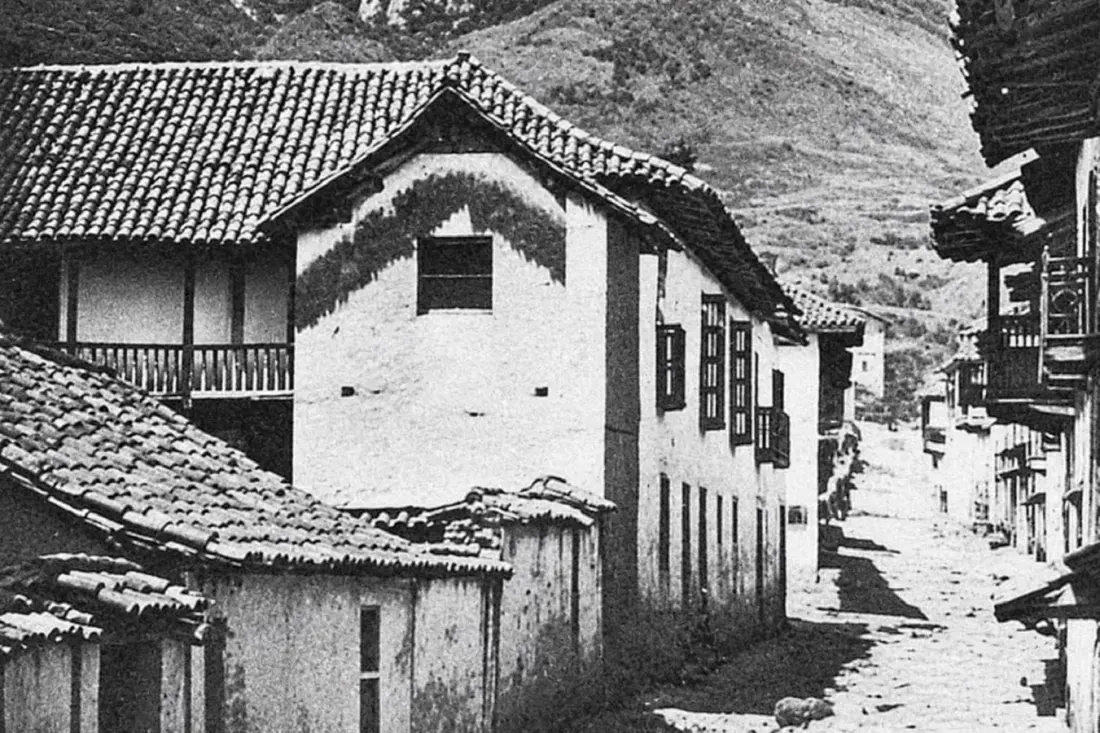
A polished metal plate barely bigger than a sheet of paper holds the earliest surviving image of Bogota — and it could soon sell for around US$89,000. The 1842 daguerreotype, titled Rue de l'Observatoire à Bogota, is heading to a Christie's auction in Paris on November 14, 2026, with estimates between €60,000 and €80,000.
The man behind it was no professional photographer. Jean-Baptiste Louis Gros, a French diplomat known as Baron Gros, arrived in what was then the Republic of New Granada in the late 1830s as France's charge d'affaires. He had picked up the daguerreotype, a technique unveiled in France in 1839 that captured images on treated metal plates, and began experimenting with it in Colombia. News of the invention had spread fast: Bogota's newspaper El Observador reported on it in September 1839, mere weeks after its international debut.
His view of Observatory Street shows a quiet, nearly empty road lined with period buildings, the Andes rising behind them. At the time, Bogota was a much smaller city, part of a republic that also covered present-day Panama. Colombia's National Museum recognises the plate as the oldest surviving daguerreotype in the country — notable not just for its age but because it documents an urban scene, still rare in photography's first decade.
The empty street has a technical explanation rather than a mysterious one. Notes Gros left on the back of the plate reveal he shot at 11:00 a.m. with an exposure of 47 seconds. Anyone walking through the frame simply vanished into the blur; only buildings and mountains held still long enough to be recorded. Gros produced other early images too, including a daguerreotype of Bogota Cathedral from the same year.
The plate comes from the collection of Roger Therond, the longtime Paris Match editor and noted photography collector, whose 363 nineteenth- and twentieth-century photographs are being sold across three Paris sessions on November 13, 14 and 17, 2026. Earlier in its life the piece belonged to Paris collector Andre Duchesne, and it has hung in exhibitions at the Museum of Decorative Arts (1965–66) and the Maison Européenne de la Photographie (1999–2000). The sale is timed to mark 200 years since the invention of photography.
For travellers, this is a rare chance to see Bogota before photography caught up with it — a city of quiet streets under the same Andean skyline you can walk today. While the original heads to auction, Colombia's National Museum in Bogota remains the reference point for the country's photographic history, and La Candelaria's colonial streetscapes still echo the scene Gros captured 184 years ago.