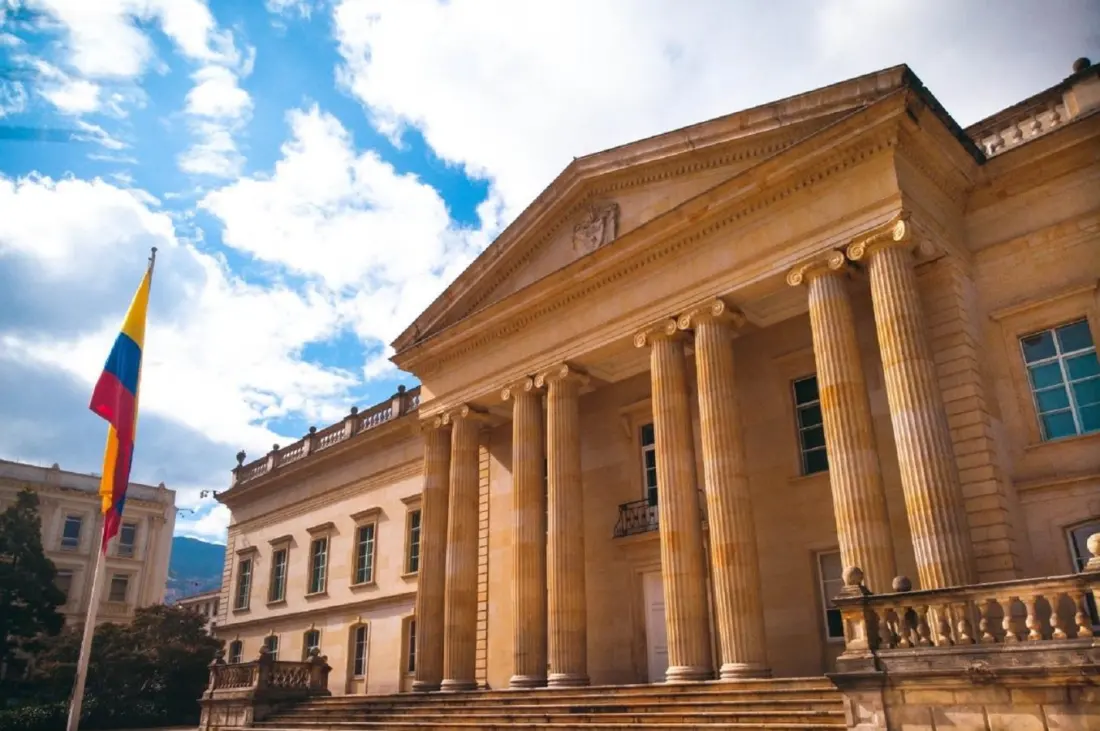
Some of Colombia's most valuable paintings, once displayed inside the Nariño Palace in Bogotá, can no longer be located — and nobody has confirmed where they went. The alarm was raised by journalist Darcy Quinn on La FM, whose report questions what happened to several works that were part of the presidential palace's collection, including pieces by two of the country's most celebrated artists.
One of the missing pieces is a painting of a condor by Alejandro Obregón, the modernist painter who died in 1992 and whose bold, expressive canvases of birds and Colombian landscapes made him a national icon. Also unaccounted for are works by Fernando Botero, who died in 2023 and remains Colombia's most internationally recognised artist, famous for his inflated figures and sculptures that appear in plazas and museums worldwide.
To be clear, the report does not claim the paintings were stolen. The issue is accountability: when art is removed from a presidential building, it should be transferred to storage, museums, exhibitions or restoration workshops with documentation recording its location and who is responsible for it. Right now, the whereabouts of some pieces that once hung in the palace are simply unclear.
The situation is complicated by changes made to the palace's decor in recent years, when some works were swapped out for pieces with Indigenous themes — a shift the report links to former president Gustavo Petro's tastes, though without tying those changes directly to the missing paintings.
Two practical worries follow. First, insurance: Quinn noted that insurers typically won't pay out if an artwork isn't displayed where its documentation says it should be. No claim has reportedly been filed, but the mismatch between paperwork and physical location is a genuine risk. Second, conservation. Traditional oil paintings need stable temperature, humidity and light; if pieces were moved informally, they may not be stored properly, risking irreversible damage.
The concerns extend beyond paintings to the building itself. Quinn cited deteriorating furniture, worn carpets and general conservation problems in parts of the palace. That scrutiny has intensified given that current president Abelardo de la Espriella has ordered the historic building relegated from its role as the presidency's permanent seat.
For anyone who has visited the Nariño Palace — or plans to tour it during a trip to Bogotá — the story matters because the palace doubles as a de facto museum of Colombian heritage, not just an office. It also lands at a sensitive moment for the country's art scene: Botero's works draw huge crowds at the Botero Museum in Bogotá and at Plaza Botero in Medellín, and public appetite for his and Obregón's legacies is strong. Calls are now growing for a full audit of the palace's inventories, a search for the paintings in question, and clarity on whether any transfers were properly recorded. Whatever the outcome, the episode is a reminder that national art collections can suffer when documentation and oversight slip, regardless of which government occupies the building. Source: Colombia One