Quảng Trị Province in central Việt Nam is betting on Bollywood to put its caves, rivers and wartime landmarks on Indian travellers' maps. From November 22 to 26, the province runs its first-ever tourism promotion built around Indian cinema, bringing the makers of the Bollywood film SILAA together with airlines, Indian-focused travel companies and local operators.
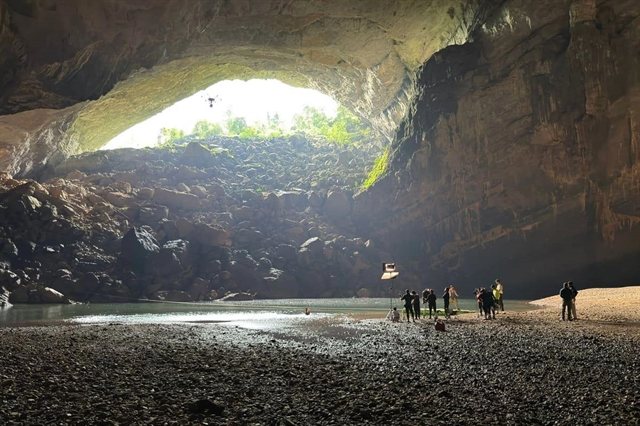
The ambitious programme has three clear goals. First, build marketing momentum around SILAA, which shot scenes in Quảng Trị's dramatic countryside — including Én Cave — and is expected to beam the region's scenery to a huge Indian audience. Second, create actual bookable products: tours of Quảng Trị plus multi-province itineraries linking the film's locations in Quảng Trị, Ninh Bình and Cao Bằng, to be marketed in India by Vietnamese and Indian travel alliances. Third — and potentially the most significant for travellers — push for regular flights from major Indian cities to Đồng Hới Airport, the gateway to the province's famous cave country.
The visiting delegation includes SILAA's production company, three carriers (Vietnam Airlines, Vietjet Air and Sun PhuQuoc Airways) and international travel firms specialising in the Indian market. They will inspect a striking list of sites: Tân Hóa Tourism Village, Chuột Cave, the Tú Làn area, Commander Cave, Thiên Đường (Paradise) Cave, the Moọc Spring streams, the Vịnh Mốc Tunnels, the banks of the Hiền Lương–Bến Hải river that once divided North and South Việt Nam, and the sand dunes of Nam Trạch commune. They will also vet four- and five-star hotels in Đồng Hới and Đông Hà.
A cooperation conference in Đồng Hới on November 24 will formalise partnerships. The timing matters beyond this week: Quảng Trị is gearing up to host National Tourism Year in 2027, and the province hopes a stronger cinema-tourism pipeline will help fill hotels well before then.
Quảng Trị is no stranger to film crews. Hollywood's Kong: Skull Island shot there, as did Pan, The Immortal and Legend of Quan Tiên. But this is its first Bollywood-driven campaign, and it reflects a broader reality: Indian outbound travel is one of the fastest-growing markets in Asia, and destinations that appear on screen tend to convert viewers into visitors.
For travellers, the appeal is straightforward. Quảng Trị offers the kind of limestone caves and jungle rivers that draw crowds to nearby Phong Nha-Kẻ Bàng, yet with far fewer tour buses. Add war-history sites like Vịnh Mốc, unspoiled coastline and now a Bollywood spotlight promising better flight connections and India-tailored tours, and this little-visited province may soon get a lot easier — and more popular — to reach. If direct Indian flights materialise, expect the SILAA locations to become signature stops on new packaged itineraries across central and northern Việt Nam.