Think a sandy seabed is boring? Dive Magazine's latest quiz, 'Sand Dwellers', is here to prove otherwise. The short, ten-question challenge spotlights the creatures that live on and beneath the ocean floor — a world most beach-goers swim right over without a second glance.
The premise is simple: the sand is anything but empty. It's a hiding place for ambush predators, a home for burrowers, and a camouflage game played at expert level. The quiz gives you a quick way to test how much you actually know about the animals that make this habitat work, and it takes only a minute or two to complete.
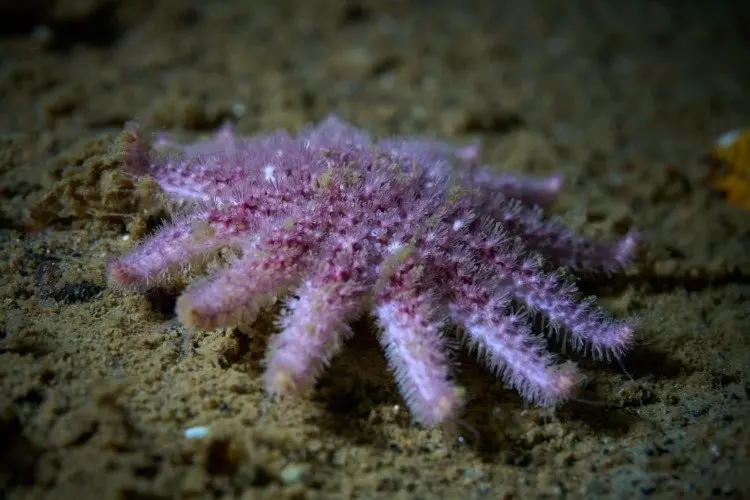
Why does this matter if you're not a marine biologist? Because sandy bottoms are where a huge amount of the good stuff happens on a dive or snorkel. Flatfish lie motionless until they're almost invisible, blending into the substrate with uncanny precision. Stingrays glide just under the surface of the sand, sometimes with only their eyes and spiracles showing. Garden eels poke out of their burrows in colonies, retracting in unison when anything drifts too close. Octopuses — famously intelligent — use sandy patches to vanish in plain sight, changing colour and texture in seconds. Even what looks like debris can be alive: sea cucumbers churn the sediment, sand dollars and sea stars burrow for food, and mantis shrimp dig elaborate burrows that they defend with a strike fast enough to crack shells.
For divers, knowing what to look for transforms a seemingly featureless sandy slope into one of the most rewarding environments on a reef. Muck diving — a whole subculture of the sport built around sandy and silty bottoms — exists precisely because these habitats hide some of the ocean's weirdest and rarest residents: frogfish, seahorses, mimic octopuses, flamboyant cuttlefish and blue-ringed octopuses among them. Sites in places like Indonesia's Lembeh Strait or the Philippines' Anilao have built entire reputations on 'empty' sand.
The quiz works as a fun warm-up before a trip, a bit of in-flight entertainment, or a way to settle a debate with your dive buddy about who actually spotted that flounder first. It's short, it's free, and it might change how you look at the ground beneath your fins on your next holiday.
Even if you never strap on a tank, a little sand-bed literacy pays off on snorkelling trips and beach walks — those odd bumps, trails and shallow dips in the sand near shore often belong to something alive. Learning to read them is one of the cheapest upgrades a coastal traveller can make.
Dive Magazine publishes a rolling series of quizzes on marine life and diving topics, so if sand dwellers turn out to be your thing, there's plenty more to test yourself on — from reef fish identification to the deeper corners of ocean lore.