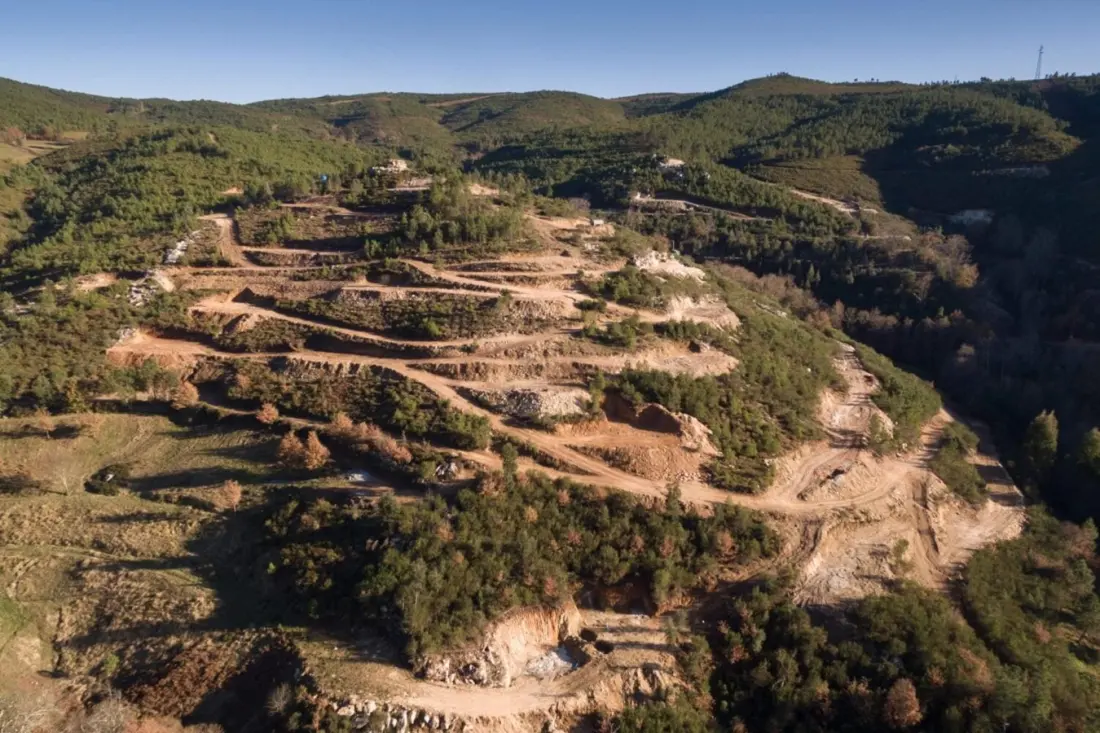
A tiny farming region in northern Portugal has become the unlikely focal point of a very modern fight: the rush for European lithium. And now Brussels has hinted the project at the centre of it might not be a done deal after all.
Covas do Barroso, in the Boticas municipality, has been resisting a lithium mine for the better part of seven years. Locals, organised as 'United in Defence of Covas do Barroso', were stunned when the European Commission granted the Savannah Resources project 'strategic project' status under its Critical Raw Materials Regulation — a label that speeds up licensing and opens doors to funding. NGOs have even taken the Commission to court over the decision.
That status may now be up for review. After a meeting in Brussels between Left Bloc MEP Catarina Martins and the Commission's director-general for strategic projects, a Commission spokesperson stressed that while applications are assessed by independent experts and received a favourable opinion from the Critical Raw Materials Board, strategic projects 'must meet public acceptance requirements and demonstrate the involvement of the local community'. Crucially, the Commission noted it can reassess at any stage whether a project still meets the criteria — a significant shift in tone for a mine whose opponents say the local community has been ignored from day one.
Martins said the Commission appeared unaware of the scale of local opposition, and accused the Portuguese government of withholding information to help secure the strategic label. Critics have also queried the 'independent experts' line: as Mining Watch Portugal's Nik Völker pointed out, nobody knows who those experts were, or whether conflicts of interest were examined.
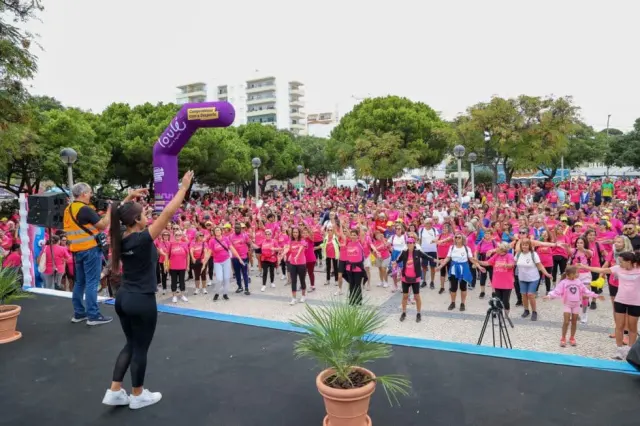
On the ground, tensions are running high. Locals physically blocked work on land covered by a government-granted administrative easement, forcing Savannah to suspend operations for the day 'as a precaution'. Authorities identified 27 people involved in the protest. The Portuguese Environment Agency gave the mine a conditional green light back in 2023, and Savannah aims to start construction in 2027 with production in 2028. The locals' message in response is blunt: they will fight until the project is cancelled.
Why should travellers care? The Barroso region is one of Europe's last living communal farming landscapes — its traditional agricultural system is recognised by the FAO — and it draws walkers, food lovers and slow-tourism fans to a corner of the Trás-os-Montes that mass tourism has yet to touch. Whether this open-pit mine proceeds, and on what terms, will shape the future character of the area. If you've been meaning to explore Portugal's wild northern interior, this is a region worth knowing about — and worth visiting before (and after) the dust settles.