Mexico sometimes gets a bad rap when it comes to money. Decades of peso devaluations, the 1994 banking collapse and memories of Cyprus-style bail-ins have left some visitors wondering whether a Mexican bank account is a safe place to park cash. The short answer: the big banks are in decent shape, and there's a government-backed insurance scheme — but you need to know its limits.
Start with the banks themselves. Mexico moved early to adopt the stricter Basel III capital standards set by international regulators, so its major banks are well capitalised and better placed to absorb losses than their reputation might suggest. The system also sailed through the 2008-09 global crisis with little more than a modest rise in overdue loans.
That stability was hard-won. The "Tequila Crisis" of 1994-95 exposed reckless lending, triggering capital flight, a peso devaluation, soaring interest rates and the failure of several significant banks. The government ultimately bailed out the sector to the tune of around US$100 billion, and ordinary lending to consumers took over a decade to recover. Out of that mess came today's depositor protection: IPAB, the Instituto para la Protección al Ahorro Bancario.
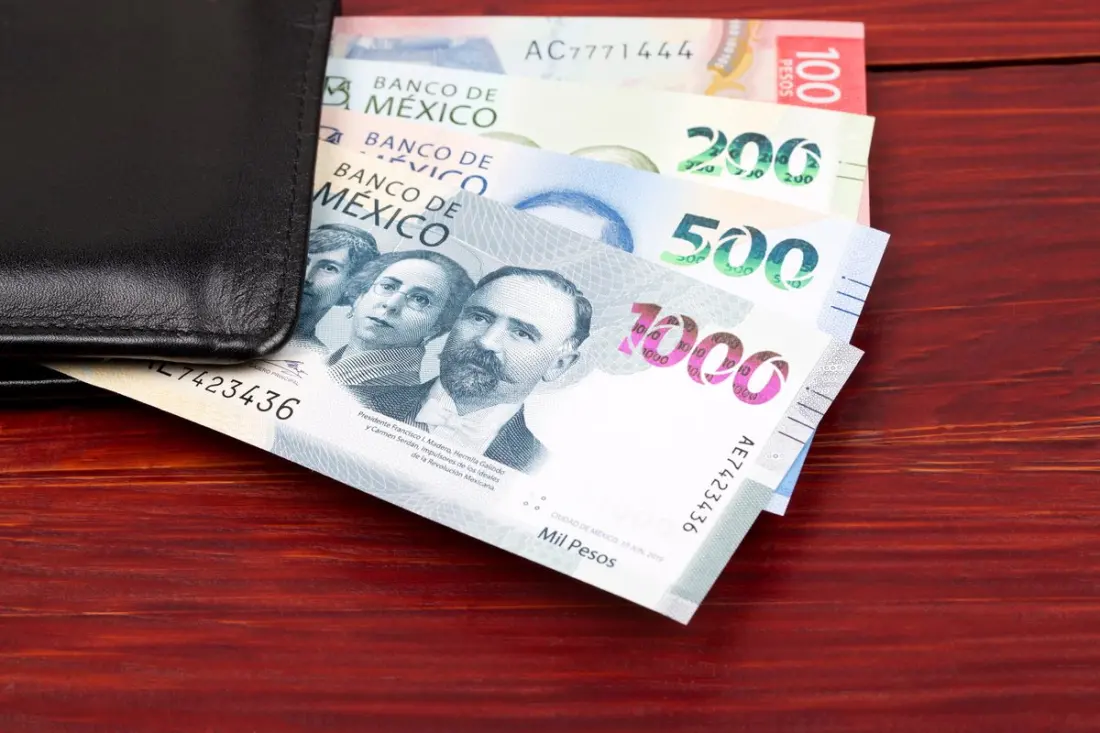
IPAB insures deposits at qualifying institutions up to 400,000 UDIs — inflation-indexed units currently worth roughly 7.90 pesos each, putting the cap at just over 3.1 million pesos per depositor. The UDI value is updated daily by the Bank of Mexico and quoted under the code MXV. The cover applies to everyday banking products: savings and current accounts, debit cards, payroll accounts, and term deposits or certificates of deposit at covered banks.
Here's the catch for anyone moving money south of the border: not every institution offering accounts or "investments" in Mexico is covered. Some finance houses sell perfectly legal products that sit outside the IPAB scheme entirely, and depositors have lost money when firms like Monex ran into trouble. A useful rule of thumb: unusually high interest rates usually mean unusually high risk, whether through fraud or operational failure. If in doubt, verify coverage directly on IPAB's own website rather than taking the institution's word for it.
For cautious savers, the safest options are the large, regulated banks, or government securities. Mexico's treasury bills and bonds can be bought through regulated bank funds or directly from the government via cetesdirecto.com, an online programme open to individuals.
Why does this matter to travellers? Anyone staying longer than a typical two-week holiday — digital nomads, snowbirds, retirees, property owners — will likely open a local account at some point, whether to pay rent, utilities or staff. Knowing which accounts carry IPAB protection (and that the ceiling is around 3.1 million pesos, not unlimited) can spare you an expensive lesson. Short-term visitors are less exposed, but the same principle applies to carrying cash versus relying on cards: spread your money, use regulated institutions and treat too-good-to-be-true yields as exactly that.
The practical takeaway is simple: Mexico's banking system is more robust than its history suggests, provided you stick to IPAB-covered banks and regulated products. Check the institution, check the product, and you'll be in far safer territory than the old headlines imply.
With thanks to Mexperience for the original reporting.