Spain's Cabinet has pushed through a package of social protection reforms that closes a long-standing gap for unmarried couples and adds new protections for women and families. The royal decree-law, published in the Official State Gazette the day after approval, is already in force — though Congress's standing committee must ratify it within 30 days, and several measures kick in later.
The headline change for many families: a surviving partner no longer needs to have married or formally registered the relationship to claim a widow's or widower's pension, as long as the couple had children together. Instead, they need to prove two years of continuous cohabitation immediately before the death, documented via the municipal register, the padrón. There's also a 12-month window for people whose earlier claims were rejected because their relationship was never formally registered — a retroactive route for those whose partners died before the rules changed.
Women gain new sick-leave protections too. From 1 December, those unable to work because of medically recognised, incapacitating menopause-related conditions can claim temporary incapacity benefit without any minimum Social Security contribution history. The same protection applies to women injured by gender-based violence, with the employer covering day one, then Social Security paying 60% of the assessment base through day 20 and 75% after that. Note this isn't automatic leave for all menopausal women — it requires a coded secondary medical condition that genuinely prevents working.
Parents caring for children with cancer or other serious illnesses get more flexibility from 23 October: both parents can now claim the care benefit, either taking turns or simultaneously, and protection can extend past the dependent's 26th birthday in severe cases, such as grade III dependency or a disability of at least 65%.
Money is also flowing to victims and children. Minimum extraordinary pensions for victims of terrorist attacks rise roughly 36% to €2,442 a month — twice the statutory minimum wage. Orphans of gender-based violence get a matching minimum for contributory pensions, and the Child Maintenance Payment Guarantee Fund will now advance up to €300 a month when court-ordered payments go unpaid, up from €100, with no fixed time limit replacing the old cap.
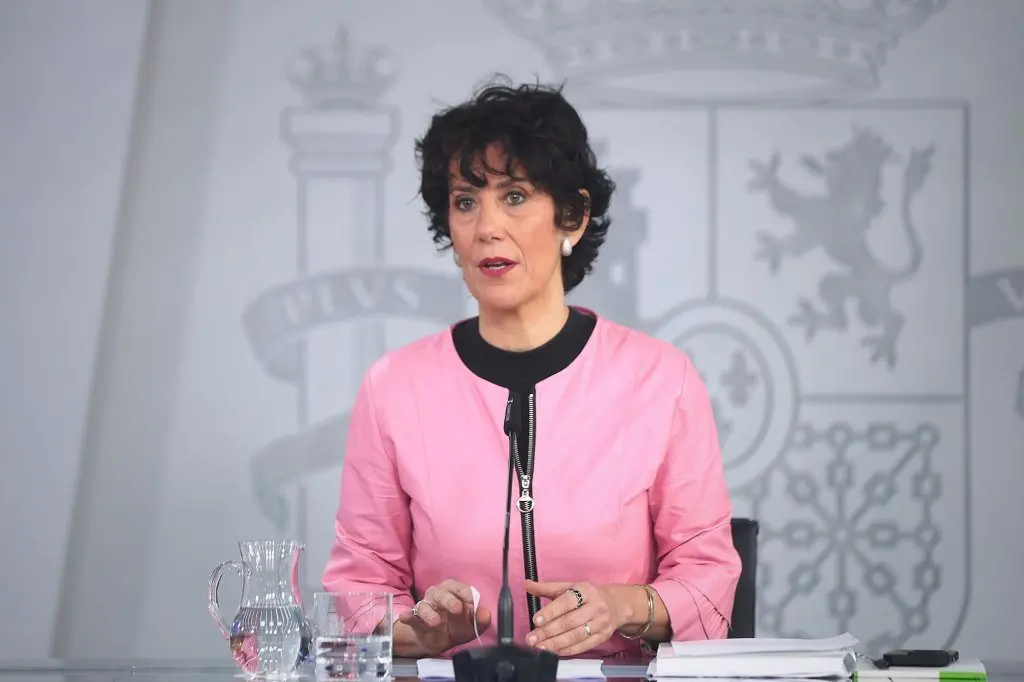
The timing is political: Spain heads to a snap general election on 29 November, with Pedro Sánchez's PSOE trailing the People's Party in most polls. Social Security Minister Elma Saiz defended the move, saying the government 'continues to govern,' while the electoral commission has separately opened proceedings against Sánchez over a press conference at his residence.
Why it matters for travellers and expats: anyone living in Spain — or planning a longer stay — should know the pension and social security rules are shifting in favour of unmarried families. If you're an unmarried parent relying on the padrón to document your relationship status, keeping that municipal registration current just became genuinely important.