Croatia has softened its crackdown on informal holiday rentals. The government's final Hospitality Activity Act, announced on 22 October 2026, extends temporary operating decisions for roughly 15,000 apartments and rooms until 31 December 2030 — a four-year lifeline for landlords whose properties lack full paperwork or are still going through legalisation.
Without the change, those permits would have expired at the end of this year, forcing thousands of family-run rentals to shut down. Tourism and Sport Minister Tonči Glavina framed the extension as protection for family landlords, giving them breathing room to legalise their properties and secure permanent permits.
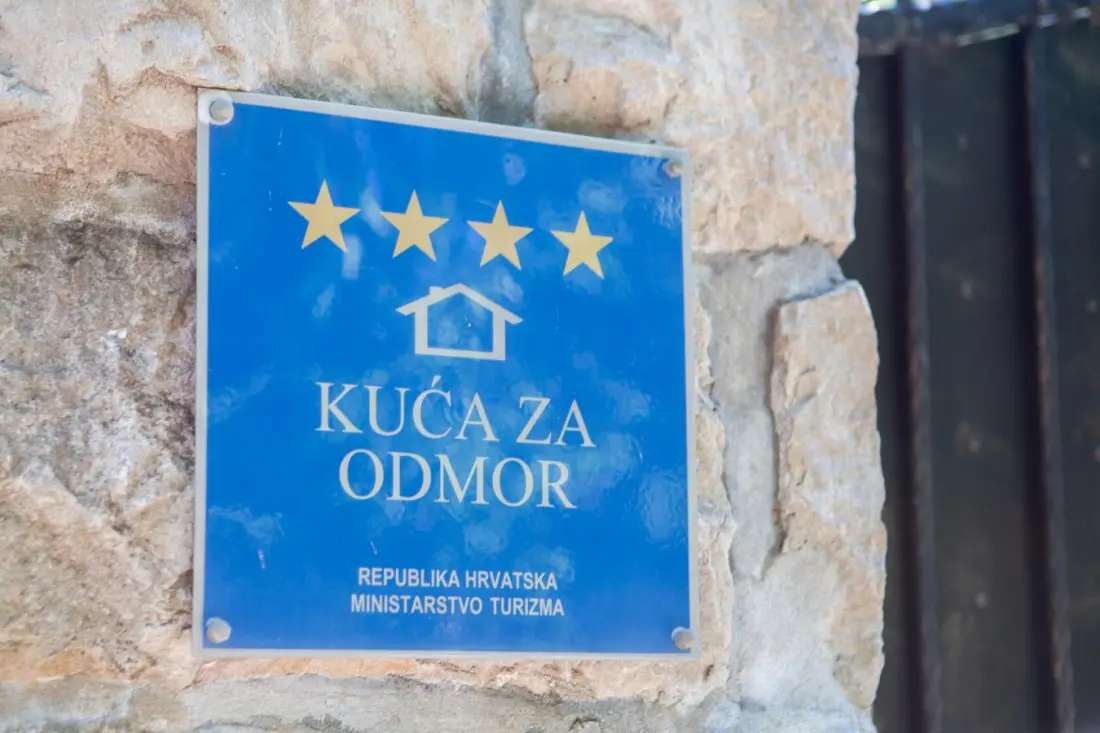
There's a trade-off, though. From 1 May 2027, every accommodation unit advertised on platforms like Booking.com and Airbnb must carry a unique registration number. The state plans direct data exchange with these platforms, meaning listings without a valid number will simply disappear. For travellers, that should mean what you book online is genuinely registered — and legitimate.
The law also tightens the screws elsewhere: higher fines for violations, broader inspection powers for tourism and tax authorities, and a digitised administration via the eTurizam system. Counties must now report annually to the ministry on legalisation cases and temporary decisions.
One notable change for owners: rooms and apartments in family homes can be registered through a craft business or a limited liability company (d.o.o.), not just as private landlords — a nod to how many coastal rentals are actually run. The bill now heads to parliament for a second reading.
For holidaymakers, the immediate effect is minimal — your favourite apartment on the Dalmatian coast stays bookable. Longer term, expect a cleaner, more transparent market with fewer grey-area listings, though possibly slightly higher prices as owners absorb compliance costs. The bill is not yet law, so details could still shift in the parliamentary process.