Portugal is testing a system that could slash wildfire response times to about ten minutes, using drone swarms guided by artificial intelligence and a network of forest sensors. The government unveiled the Fire Resist project in Lisbon, with agriculture and maritime affairs minister José Manuel Fernandes framing it as a way to protect the country's forests with every tool available — drones, AI and robotics included.
The numbers explain the urgency. Fire crews currently take an average of 30 minutes to reach an incident. Fire Resist aims for an almost immediate response, so that any outbreak is knocked down while it is still small. The test zone is the Serra do Marão, a mountainous area in northern Portugal, covering roughly 6,000 hectares of uncultivated land. Implementation started in September and runs through to August 2029.
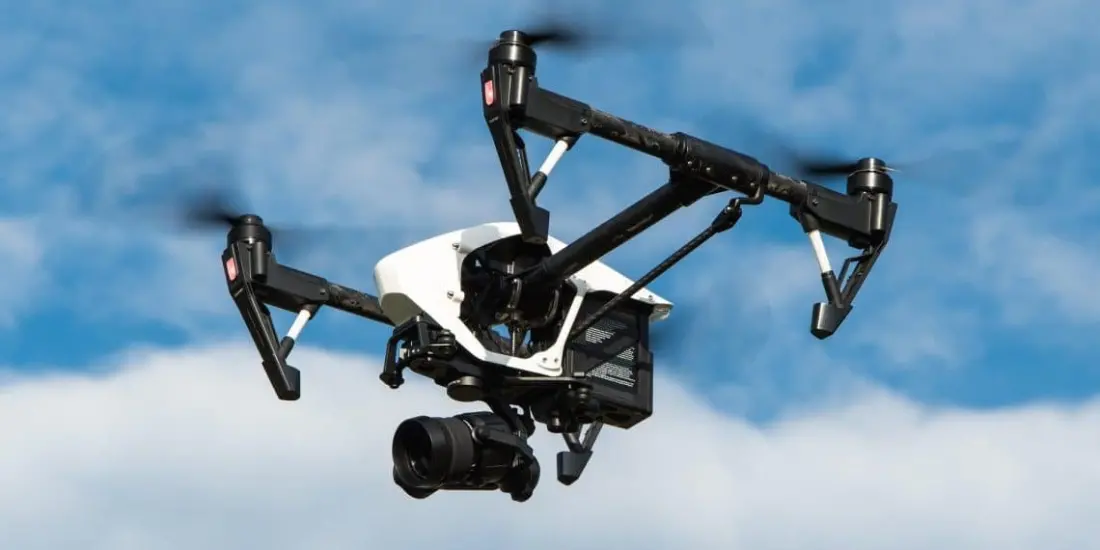
How it works: surveillance towers and smart sensors in the forest collect data on conditions that might signal a fire starting. AI algorithms then sift that information to separate genuine outbreaks from false alarms such as fog or mist. Once a threat is confirmed, swarms of drones — each capable of carrying up to 50 kilograms of fire retardant — can be directed to the spot within minutes. Drivetel, the company leading the project, expects the first field tests within a year, once scheduling and responsibilities among partners are finalised.
There are some thoughtful engineering choices behind the scenes. Because places like the Serra do Marão often lack mains electricity, the equipment will run on renewable sources — preferably solar panels or wind turbines — so sensors can operate continuously. Data collection and processing are also designed to be protected against cyber interference, according to Drivetel chair Pedro Almas. Talks are under way with the National Federation of Communal Lands and the National Association of Municipalities to choose tower locations with minimal environmental impact.
The €9.8 million project brings together an unusually broad team: Drivetel, the University of Trás-os-Montes and Alto Douro, the ForestWISE collaborative laboratory, the Fraunhofer Portugal AWAM research centre, and companies IMMERA, Fisola, Electroclima and Turnpage. It sits under Portugal's wider 'Forest 2050' strategy, which aims to make the country's forests more valuable and more resilient rather than simply fighting fires after the fact.
Why should travellers care? Summer wildfires have become an increasing risk in Portugal, occasionally closing roads, trails and park areas in the north and centre of the country. If Fire Resist works, it could mean fewer large-scale evacuations and safer access to hiking country like the Marão mountains and the Douro valley nearby. It is also a glimpse of how European destinations are adapting to hotter, drier summers — worth knowing if you are planning walking or rural trips to northern Portugal in the coming years. The project is still in its early stages, though, so for now the usual advice stands: check fire-risk warnings in summer, follow local guidance in forested areas, and expect conditions on the ground to vary.