Dreaming of a house by the ocean or up in the mountains of Mexico? There are three broad routes to owning one: buy an existing home, purchase land and build from scratch, or take on an older property and renovate it. Each comes with trade-offs in cost, time and stress — and knowing them upfront can save you a fortune.
Buying a ready-built home is the fastest path. The catch is price: built houses, new or second-hand, tend to trade at a premium over the cost of land plus construction. Brand-new places need little work early on, though regular maintenance is essential — roofs and sealant eventually need attention. Pre-owned homes will likely want redecorating or updating to match your taste.
Building on your own land usually offers the best value and total design freedom. But it demands serious involvement. Even with a project manager, you can't take a fully hands-off approach; expect near-daily decisions once the structure is up, and delays in deciding can push up both timeline and budget. Some architecture firms offer turnkey design-and-build packages with fixed or capped prices, but the fees eat up most of the savings you'd get from managing it yourself. Budget overruns are almost guaranteed, and you'll want to be in Mexico for the duration — or have someone utterly trustworthy on the ground. Speaking some Spanish (or hiring an interpreter) helps enormously with builders and suppliers.
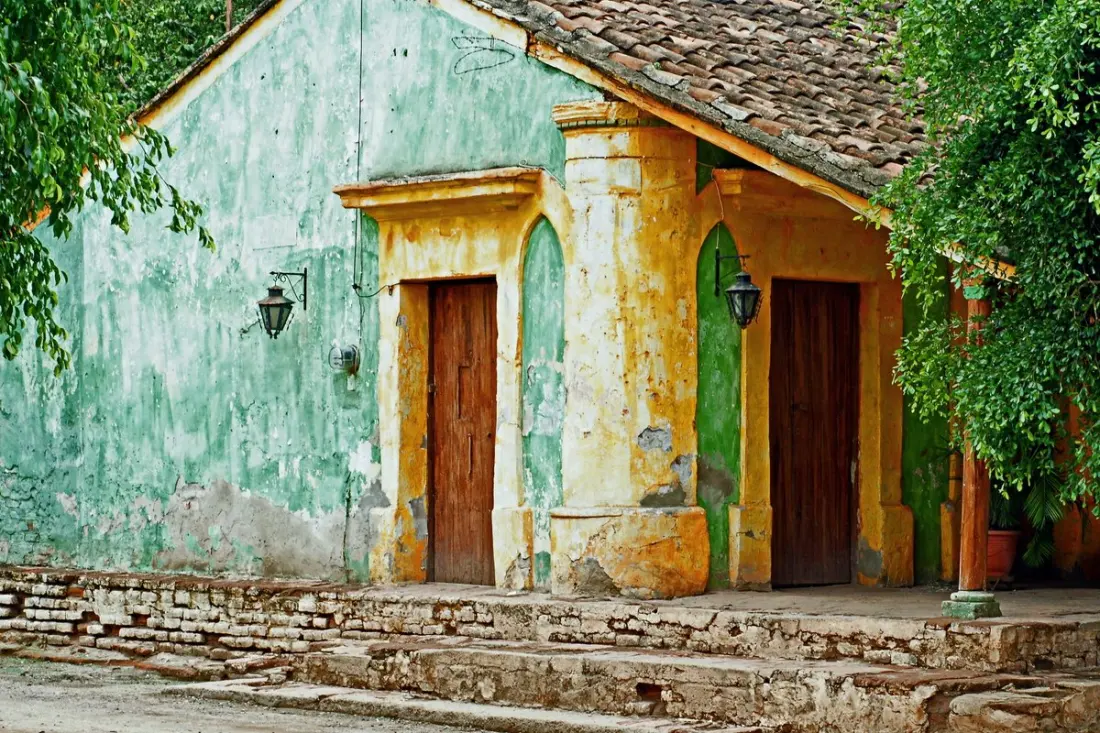
Renovation is the romantic option, and often the most expensive surprise. Restoring a crumbling colonial-era house can be magical — but 300 years of history under the plaster holds unpleasant secrets like damp, rot, termites and foundation issues. Some historic buildings fall under the protection of INAH, Mexico's cultural heritage institute, which dictates materials, methods and even ongoing maintenance. Even unprotected properties in historic areas can face local rules on facades and colours. Asking prices for derelict houses often don't reflect the true renovation cost — some sellers price ruins as if they were buildable land, leaving you to foot demolition and rubble-removal bills. Most renovations end up costing as much as or more than buying prebuilt, especially once you count your own time.
Houses from roughly 1930 to 1980 hit a sweet spot for many buyers: usually not INAH-protected, structurally proven by decades of earthquakes and hurricanes, and often sitting on generous plots with mature gardens and views you can't find on new developments. Still, always commission a structural survey before buying — and an independent surveyor or soil test is wise before any purchase, since unstable subsoil or buried rock can make building far pricier.
The right choice comes down to you: if what you envision already exists at a price you can afford, buying may recoup its premium in saved time and stress. If you're short on patience, a prebuilt home or a fully managed build is the safer bet. And if you're drawn to restoration, arrive with deep reserves of cash and flexibility — it's usually a labour of love, not an investment play.