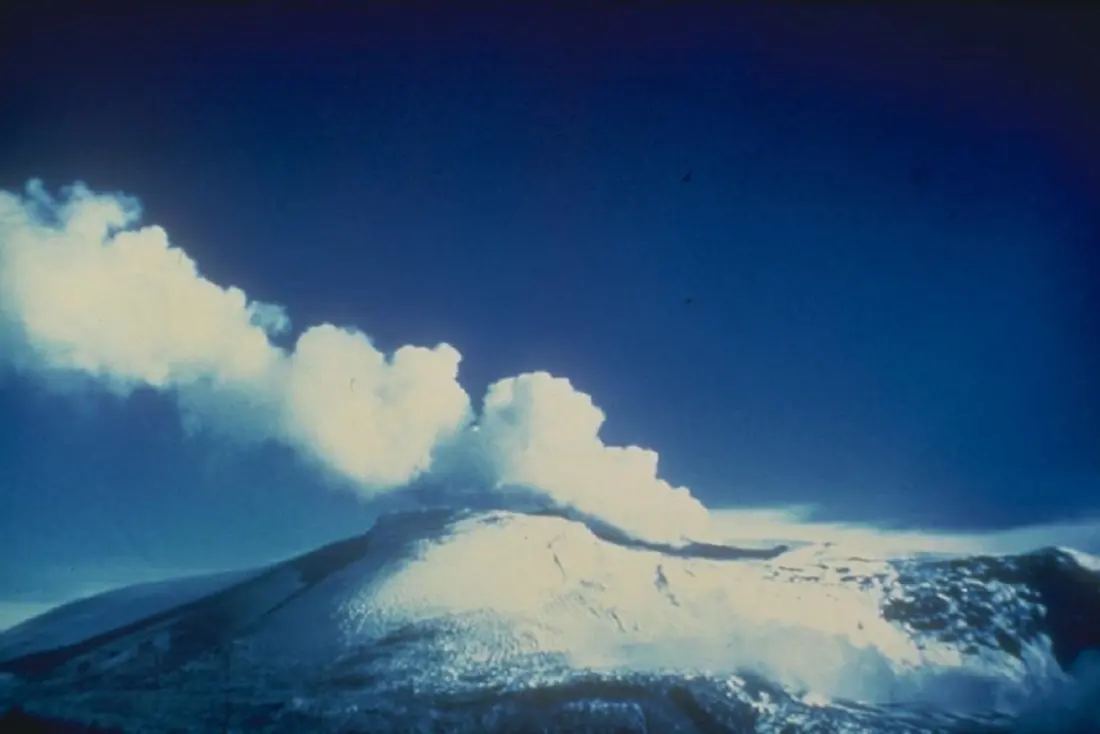
Every 13 November, Colombia pauses for a date that still hurts. On that night in 1985, the Nevado del Ruiz volcano erupted shortly after 9 p.m., melting part of its glaciers and sending enormous lahars — rivers of mud, ash and debris — down the Lagunilla, Azufrado, Guali and Chinchina river channels. One of those flows reached Armero, a farming town of roughly 35,000 people in northern Tolima about 46 miles from the volcano. Within minutes, much of the town was buried. Around 25,000 people died, more than 22,000 of them in Armero alone, and the disaster remains one of the deadliest volcanic events in modern history.
This year marks the 41st anniversary, and it comes just a week after Colombia also remembered the Palace of Justice siege in Bogotá, which claimed about 100 lives — making 13 November 1985 a date etched twice into the national memory. Under a 2013 law, the day is now officially the National Day of Remembrance and Solidarity with the Victims of the Armero Tragedy.
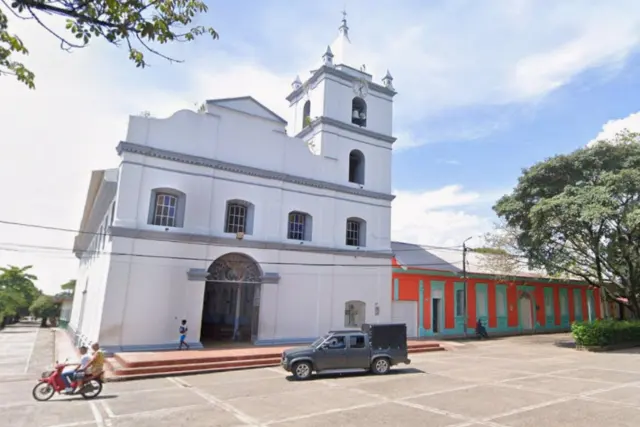
The commemorations centre on the ruins of old Armero, a sombre open-air memorial where survivors, relatives and former residents gather each year. On Friday, masses are held every two hours at Campo Santo's San Lorenzo Parish — recently restored and once again a focal point for remembering the town — with the final service led by the bishop of the Archdiocese of Líbano. One of the most moving moments is a flower-petal drop from the air by the Colombian Aerospace Force, alongside military honours from the Army and National Police. The weekend continues with a Corn Festival, a Women Entrepreneurs' Fair in Armero Guayabal, and a reunion of former residents at Omaira Sanchez Park, named for the 13-year-old whose final hours, trapped in the mud, became one of the tragedy's defining images.
The anniversary is also a moment of reflection on what went wrong. Scientists had warned for months that renewed volcanic activity could melt the glaciers and trigger avalanches capable of reaching the river valley communities. Those warnings never translated into effective evacuations or clear communication with residents, and Armero became a global case study in the cost of ignoring science. The shock of the disaster pushed Colombia to build the disaster-prevention and volcanic-monitoring systems it relies on today.
For travellers, the ruins of old Armero are one of the country's most significant memorial sites — an sobering place to understand Colombian history beyond the usual highlights. Visitors walk among foundations, gravestones and surviving structures in a quiet field where an entire community once stood. Pairing a visit with the nearby town of Armero Guayabal, which took in many survivors, gives fuller context, and the commemorations each 13 November are open to the public. Nevado del Ruiz itself remains active and is closely monitored, with parts of Los Nevados national park accessible on guided treks from Manizales or Pereira.