California now has its own answer to Spain's famous Camino de Santiago. The Camino de Sonoma is a 75-mile walking route linking Mission San Francisco Solano in the town of Sonoma to Fort Ross on the Pacific coast, running straight through the vineyards, redwoods and quiet hamlets of Sonoma County.
Like its Spanish counterpart, the route is framed as a pilgrimage rather than a pure thru-hike, and it's open to walkers of any faith or none. The nonprofit behind the trail splits it into six stages of roughly 12 to 15 miles each, so most people complete it in six days. Guided group hikes are organised by the Camino de Sonoma nonprofit, but self-guided walking is very much an option too — route info lives on the organisation's website and an active Facebook group called Walking Camino de Sonoma.
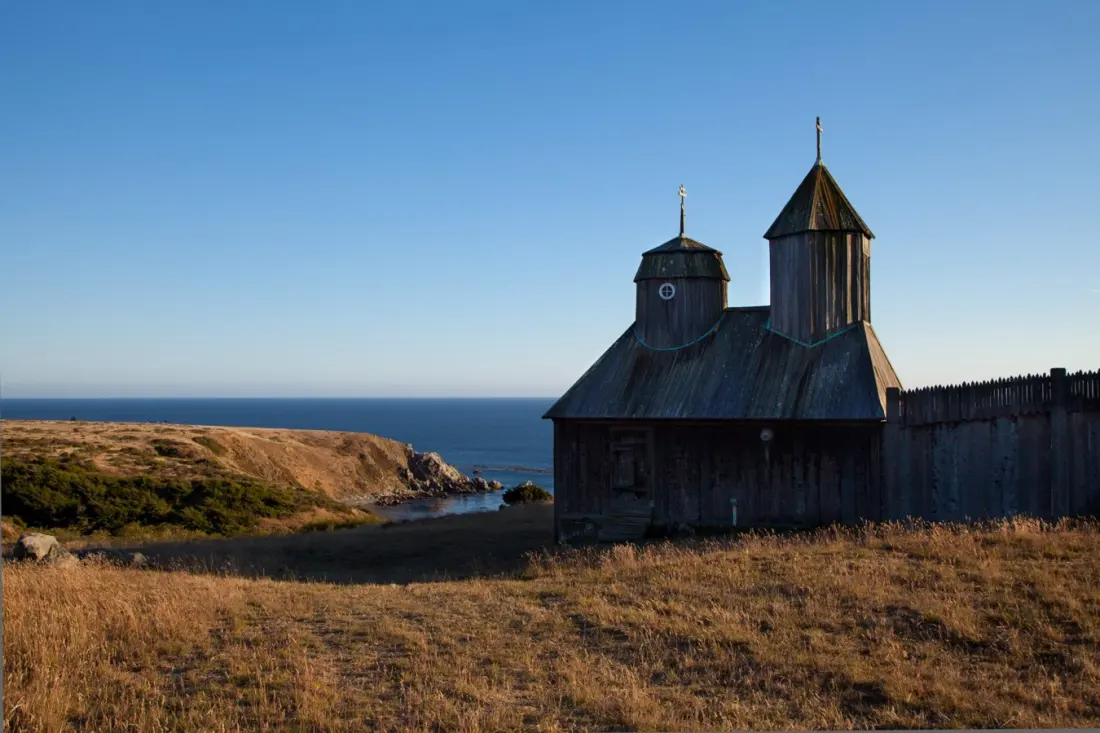
The stage-by-stage route looks like this: Sonoma to Kenwood, Kenwood to Santa Rosa, Santa Rosa to Sebastopol, Sebastopol to Occidental, Occidental to Jenner, and finally Jenner to Fort Ross, where the trail ends at a Russian Orthodox chapel in the old Russian-era fort. That final stretch means you finish, as any good coastal pilgrimage should, with your boots in sight of the ocean.
Logistics are friendlier than on most long-distance trails. Because much of the route is frontcountry walking, food is easy to come by — and this being wine country, that includes wineries and restaurants along the way. Sleeping arrangements take slightly more planning: campgrounds near the trail are limited, though some locals have been known to let pilgrims camp on their land, and towns along the route offer hotels, motels and bed-and-breakfasts if you'd rather not carry camping gear.
For travellers, the appeal is obvious. This is a week-long walk that combines the meditative rhythm of a pilgrimage with wine tasting, farm-to-table food and redwood groves — no expedition skills required. It suits anyone who wants a long-distance hiking experience with a soft landing: you're never far from a meal, a bed or a glass of Pinot Noir. If the full six stages feel like too much, the stage structure makes it easy to sample one or two sections as a day hike or weekend trip instead.
Story via The Trek.